
Asian equities plunge as US-Iran conflict drives oil surge and bond rout
Asian stock markets experienced sharp declines Wednesday as escalating US-Iran tensions sent shockwaves through global financial markets, driving oil prices to five-week highs and triggering a widespread selloff in government bonds.
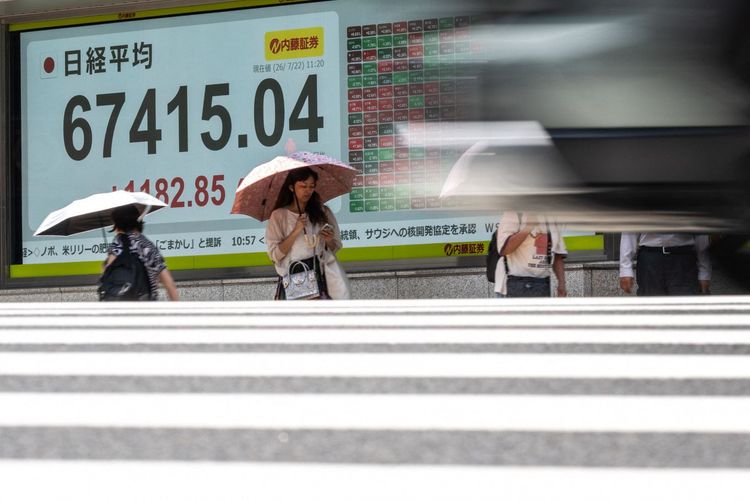
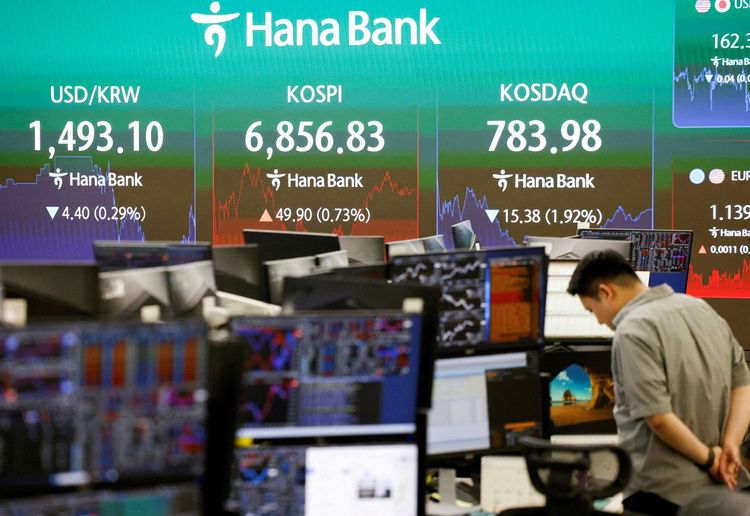
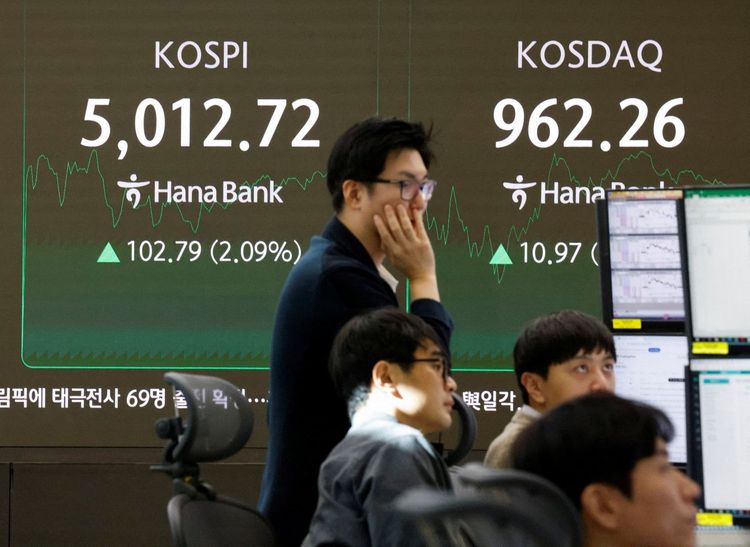
MSCI's broadest index of Asia-Pacific shares outside Japan tumbled 1.5 percent during Wednesday trading. South Korea's KOSPI plummeted more than 3 percent, marking the steepest decline among regional bourses, while Japan's Nikkei 225 shed 2.6 percent. S&P 500 e-mini futures edged down 0.1 percent.
The market turbulence followed a barrage of US airstrikes on Iran launched Tuesday, which intensified concerns about potential disruptions to critical energy shipping routes. Brent crude futures extended their rally into a second consecutive session, climbing 1.3 percent to $95.91 per barrel as Asian trading resumed.
Strategic chokepoint threatens energy flows
The Strait of Hormuz, through which approximately 21 percent of global petroleum liquids transit, emerged as a focal point of market anxiety. As one of the world's most strategically important oil transport routes, any disruption to the strait carries significant implications for global energy supplies and inflation.
"The threat of further disruptions to the Strait of Hormuz has brought about renewed anxiety over inflation, driving a selloff in stocks across most major markets and a rout in global bond markets," Westpac analysts noted in a research report.
South Korea's outsized market reaction reflected the country's particular vulnerability to energy disruptions, given its reliance on imported oil for approximately 95 percent of its energy requirements. This heavy dependence on foreign petroleum makes Korean equities especially sensitive to geopolitical tensions that threaten supply routes.
Bond yields surge to multi-year peaks
Government bond markets experienced severe selling pressure, with the yield on the US 10-year Treasury bond hitting an intraday peak of 4.8122 percent—its highest level since 2007, before the global financial crisis. The move represents a dramatic shift in bond market dynamics and raises questions about the sustainability of elevated government borrowing costs.
In Japan, the 5-year government bond yield climbed to 2.295 percent, reaching a record high that puts pressure on the Bank of Japan's yield curve control policy framework. The BOJ typically maintains low bond yields through active market intervention, making the surge particularly significant for Japanese monetary policy.
"September kicked off on a shaky note as developed market government bonds continued to sell off," DBS analysts wrote. "Brace for a volatile month ahead as high yields cause angst across the asset classes. If the bond rout does not get stemmed, policymakers would probably have to resort to more aggressive measures to cap yields."
Central bank moves and currency markets
The New Zealand dollar declined 0.6 percent to $0.5855 after the Reserve Bank of New Zealand raised its official cash rate by 25 basis points to 2.75 percent from 2.50 percent. While the increase matched market expectations, dovish language in the central bank's accompanying statement weighed on the currency as investors reassessed the trajectory of future policy tightening.
The US dollar index, which measures the greenback's strength against a basket of six major currencies including the euro, yen, pound, Canadian dollar, Swedish krona and Swiss franc, rose 0.1 percent to 99.79—its strongest level since August 17. The euro carries the largest weighting in the index at approximately 57.6 percent.
Wall Street weakness and Fed outlook
Overnight trading on Wall Street saw the S&P 500 slip 0.7 percent and the Nasdaq Composite fall 1 percent as surging government bond yields pressured equity valuations. The declines came despite economic data from the Institute for Supply Management showing US manufacturing activity moderated in August but remained in expansionary territory—meaning the sector continued growing, as PMI readings above 50 indicate expansion while figures below 50 signal contraction.
Market participants increasingly expect the Federal Reserve to raise interest rates at its upcoming policy meeting. Fed funds futures, tracked through the CME Group's FedWatch Tool—which calculates probabilities based on 30-Day Fed Funds futures pricing—now reflect a 67 percent probability of a 25-basis-point increase at the central bank's two-day meeting ending September 16. This marks a significant shift from just one week earlier, when the probability stood at 39.6 percent.
Commodities and cryptocurrencies retreat
Gold prices fell 0.8 percent to $4,295.70 per ounce, despite the precious metal's traditional role as a safe-haven asset during geopolitical tensions. The decline reflected the opportunity cost of holding non-yielding gold as bond yields surge, with rising interest rates typically pressuring precious metal prices.
Digital assets also retreated, with bitcoin slipping 0.6 percent to $76,979.55 and ether declining 0.9 percent to $2,397.78, as risk appetite diminished across financial markets.