Reaching audiences, but missing out on returns
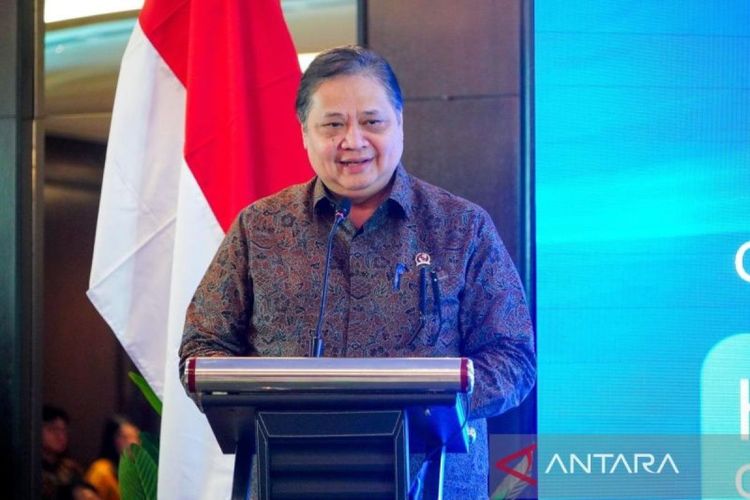
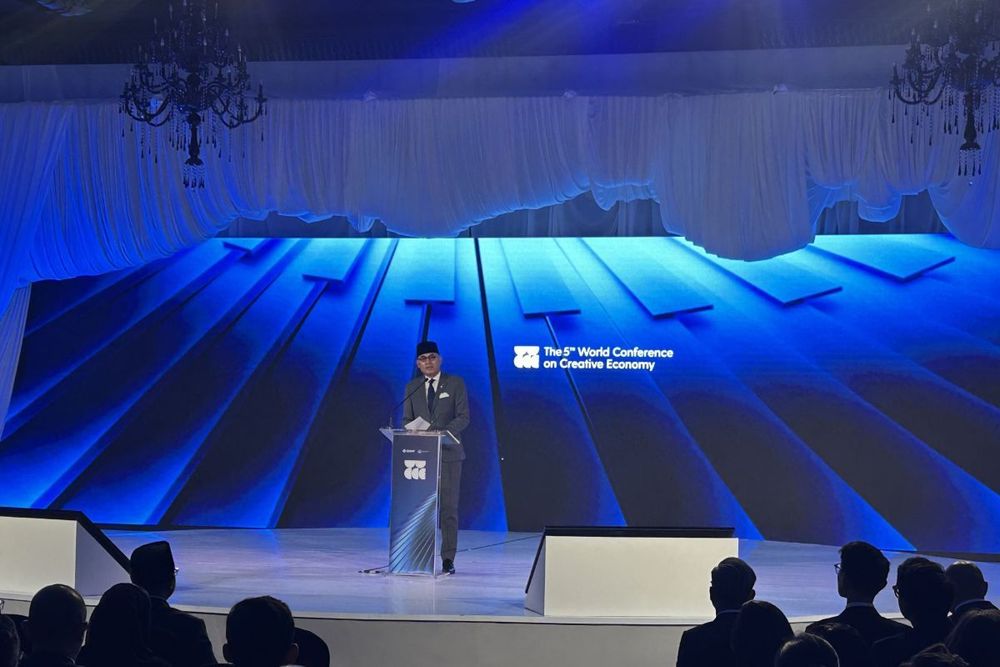
Speaking amid growing global uncertainty that he said was reshaping trade and economic prospects, Arrmanatha called for Indonesia to take a more active role. "We must no longer be merely consumers of global content. We must be producers, innovators, and shapers of the global digital creative landscape," he said.
International reach has not guaranteed fair returns for creators, the minister said. Digital platforms connect Indonesian work with audiences abroad, yet a small number of platforms capture much of its economic value. Creators in developing countries struggle to secure a fair share, while inadequate infrastructure and unreliable connections limit their access to overseas markets.
Arrmanatha said developing countries account for only about one-fifth of worldwide creative services exports. UNCTAD's 2024 estimates also show a concentrated market: the 10 largest exporters supplied 73 percent of global creative services exports. Ireland led with $332 billion, followed by the United States at $294 billion, the United Kingdom at $108 billion, India at $102 billion and Germany at $96 billion.
UNCTAD put total creative services exports at a record $1.7 trillion in 2024, representing 20 percent of all services trade. That was more than twice the $709 billion exported in creative goods.
Indonesia's Ministry of Creative Economy reported that the country's creative-economy exports increased 17.7 percent, from $27.14 billion in 2024 to $31.94 billion in 2025. Fashion accounted for the largest share: $18.04 billion, or 56.5 percent of the total.
AI raises questions of consent and compensation
Arrmanatha identified artificial intelligence as both an opportunity and a risk. It could lower costs and help creators enter new markets, he said, but training AI systems on their work without consent or fair compensation could leave them at a disadvantage.
He called for stronger intellectual property safeguards so creators benefit from technological advances rather than lose control of the value of their ideas. "Technology must serve creators, not replace them," he said.
Jakarta Vision sets out diplomatic goals
At this year's conference, Indonesia is pressing for international cooperation that gives creators broader market access and better protection for their work. It also wants developing countries to receive a fairer share of the digital economy's benefits.
The effort builds on the World Conference on Creative Economy, or WCCE, which Indonesia established in 2018 to support international dialogue. The forum has helped advance the Bali Agenda for the Creative Economy and UN resolutions adopted in 2019 and 2023.
As detailed by Metro TV News, resolution 74/198, adopted in 2019, designated 2021 as the International Year of Creative Economy for Sustainable Development. Resolution 78/133 followed in 2023 under the title "Promoting creative economy for sustainable development".
WCCE 2026's key strategic output is the Jakarta Vision on Creative Economy, Metro TV News reported. Its four pillars cover AI and digital transformation; a sustainable circular economy and regenerative design; intellectual property and creative workers' rights; and inclusivity, creative ecosystems and community empowerment.
Indonesia intends to use the document as the foundation for a proposed UN resolution on the creative economy and to push for the sector's inclusion in the global development agenda after 2030.