University seeks recognition among Japanese employers
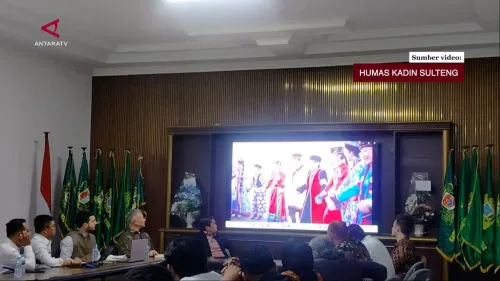
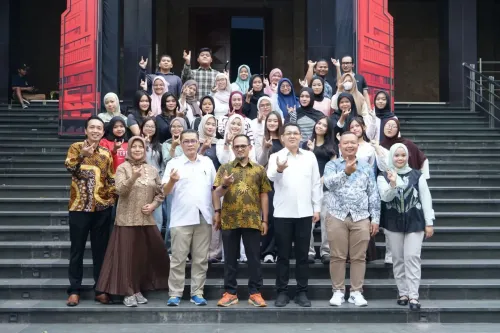
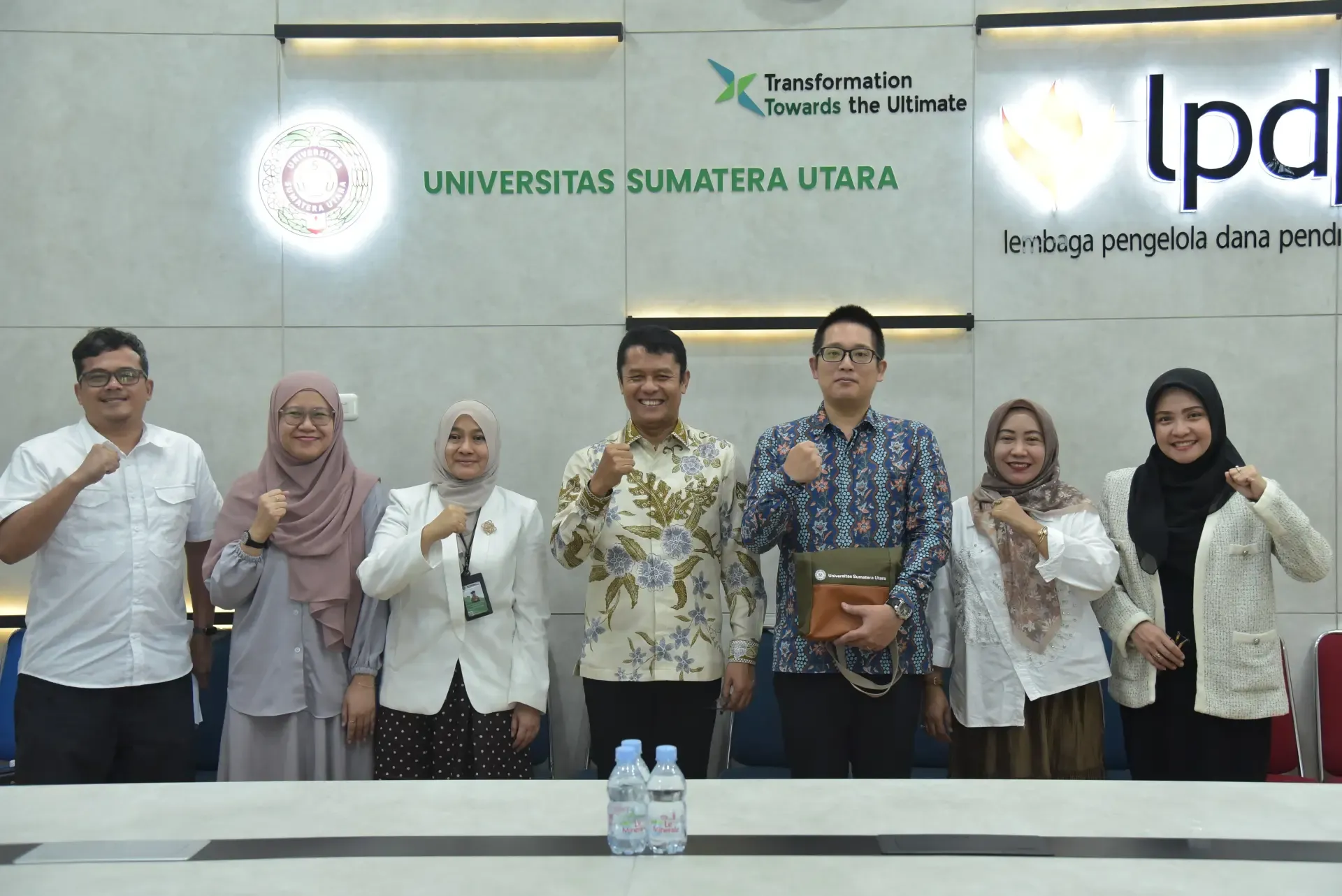
The talks took place in the Equity Room of USU's Rectorate Building. Himsar Ambarita, USU's vice rector for research, innovation, and cooperation, welcomed the delegation and described the visit as a starting point for making the university's capabilities better known to Japanese businesses.
Ambarita said broader recognition of USU and its alumni among those companies would be one measure of successful cooperation. He also pointed to employment as a possible concrete result: "If more of our alumni are eventually hired to work in Japan, this could be one of the indicators of the success of JETRO's activities," he said.
The discussions focused on potential cooperation in education and workforce development. USU and JETRO hope such ties will give students better access to job information, help them prepare for global industry requirements and open international career opportunities.
Connecting universities with companies through JOUC
Nao Takada, vice president director of JETRO's Jakarta office, presented Japan Overseas University Connect (JOUC). Launched in 2024, the program introduces Japanese companies to universities abroad by sharing their profiles, academic strengths and fields of expertise. JETRO can then arrange online meetings where it identifies a suitable opportunity for cooperation.
According to JETRO, JOUC webinars and networking events have introduced more than 10 overseas universities to hundreds of Japanese companies since the launch. The program forms part of JETRO's effort to encourage Japanese firms to recruit highly skilled foreign talent directly.
Indonesian universities have participated before. On August 8, 2025, JETRO introduced Surabaya's Sepuluh Nopember Institute of Technology in a webinar. It later co-hosted a March 24, 2026, event with Binus University that presented a workforce development model to Japanese companies.
Skills, language and Japan's labor needs
Takada said worker shortages across Japanese industries offer opportunities for foreign applicants whose skills meet employers' needs. He described students' subject expertise as a good foundation, while emphasizing the importance of an interest in Japanese culture and, especially, proficiency in Japanese.
A Join Career Office summary of data from Japan's Ministry of Health, Labour and Welfare put the country's foreign workforce at 2,571,037 at the end of October 2025. That represented an increase of 11.7% from the previous year and was 2.8 times the level a decade earlier. In a survey published in August 2026, 68.2% of workplaces employing foreigners said labor shortages were their reason for hiring them.
Indonesia ranked fifth among countries supplying foreign workers to Japan at the end of October 2025, according to the same summary. Its 228,118 workers accounted for 8.9% of the total, and its annual growth rate of 34.6% was among the highest. Indonesians also formed the largest nationality group among Specified Skilled Workers in nursing care, numbering 26,433.
Japan is scheduled to replace the Technical Intern Training Program with the Employment for Skill Development program on April 1, 2027. Under sector-specific operating policies adopted at the January 23, 2026, Cabinet meeting, the government expects to accept a maximum of approximately 430,000 workers through the new program over two years from April 2027. The combined maximum, including the Specified Skilled Worker system, is expected to be about 1.23 million workers.