Broader data use for clearance certificates
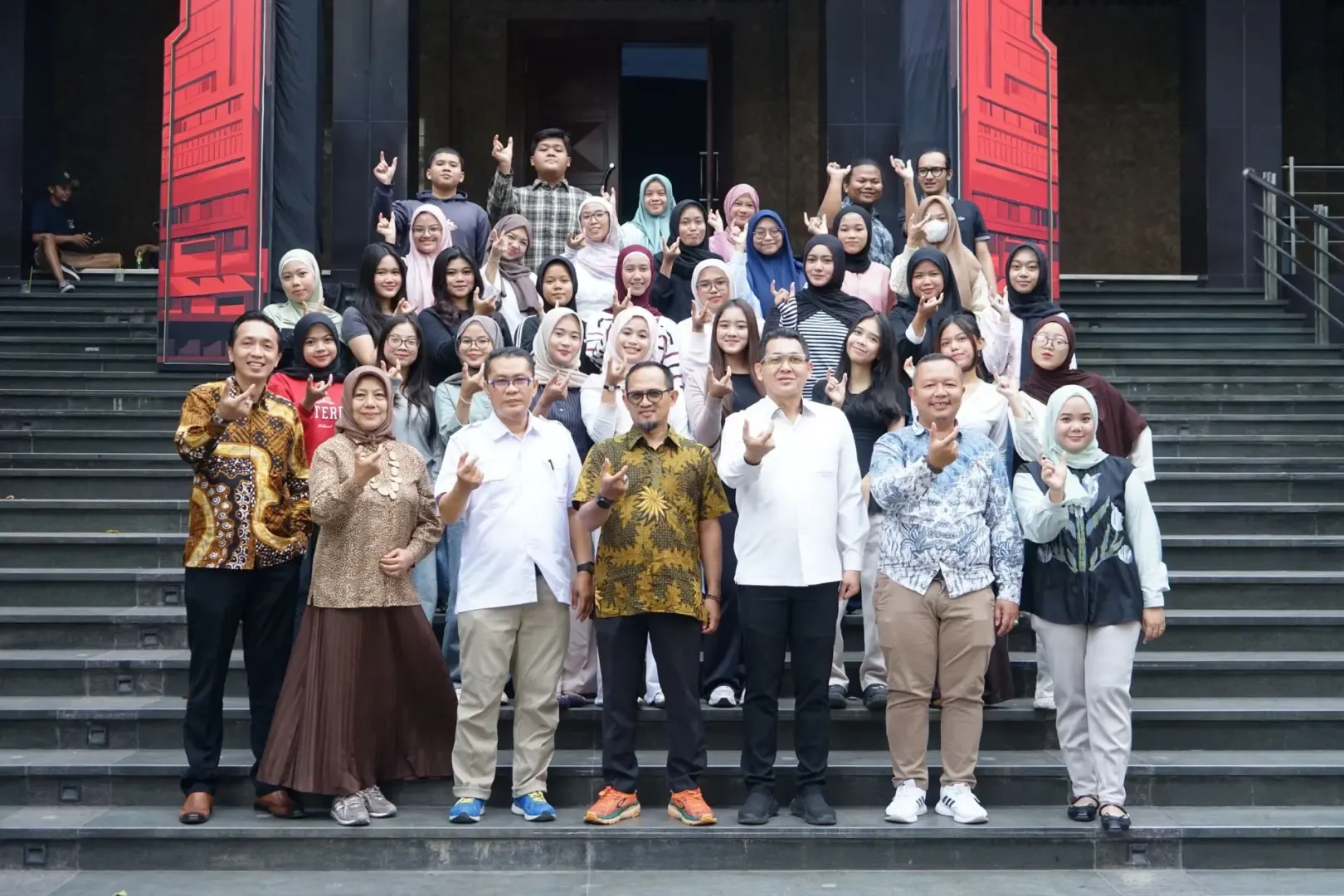
The Indonesian National Police's Intelligence and Security Agency (Baintelkam) held the October discussion with the National University (UNAS) and the National Narcotics Agency (BNN). The forum, titled "Preventing Narcotics Crimes Through Integrated, Risk-Based SKCK Transformation," addressed what police described as an increasingly complex drug threat targeting school and university students.
Senior Superintendent Aris Sulistyono said SKCK issuance has largely depended on police records. The proposed changes would draw on information from multiple agencies to support more accurate investigations and identify potential drug-crime risks earlier.
Some database connections are already in place. According to Baintelkam's Directorate of Special Security, by the September 2026 SKCK transformation forum, the service was connected to Dukcapil, which handles population and civil registration; the Directorate General of Immigration; the Criminal Investigation Agency (Bareskrim); and health insurer BPJS.
National Police Regulation (Perpol) No. 1 of 2026, effective May 20, 2026, provides the current legal framework. It allows police-record data managed by the police to originate within the force or from relevant ministries and agencies, and provides for data interoperability with ministries, agencies and local governments.
Universities and BNN emphasize early detection
Aos Yuli Firdaus, dean of UNAS's Faculty of Social and Political Sciences, urged universities to work with other sectors rather than confront the drug threat on their own. He called for prevention grounded in data, education and a healthy campus environment.
"Campuses have a significant responsibility to protect students from the dangers of drugs. UNAS supports strengthening prevention efforts, not just through enforcement, but also through early detection and ongoing education," Aos said.
Adolf Hitler Efroza of the South Jakarta BNN also argued that arrests and punishment alone are insufficient, particularly when young people are vulnerable. He said BNN supports greater interagency information sharing so that authorities can recognize potential drug-abuse risks sooner and take more effective preventive action.
A November 2025 presentation at UPN Veteran Jakarta, citing BNN data for 2023-2025, reported a drug-abuse prevalence rate of 1.73%, or about 3.33 million people. That total included 312,000 people ages 15-25.
Participants called for cooperation extending beyond the police and BNN to the Ministry of Home Affairs, the Financial Transaction Reports and Analysis Center (PPATK), the Ministry of Immigration and Corrections, universities and the community. The forum emphasized that these groups hold complementary information and have distinct roles in prevention.
Earlier commitments and a printing trial
The October meeting followed a September 23, 2026, forum in Jakarta organized by Baintelkam's Directorate of Special Security. Titled "Transformation of the Integrated SKCK Service Governance Ecosystem," that meeting concluded with a Joint Commitment. Participants included BPJS Kesehatan, the Ministry of Manpower, the Ministry of Communication and Digital Affairs, and the Ministry of State Apparatus Empowerment and Bureaucratic Reform (PANRB).
Another part of SKCK service development is self-service certificate printing. As of September 2026, police were testing the concept with 10 machines in Jakarta, with expansion planned for 2027.
Under the plan, applicants would submit their information through the police Super App. Once approved, they would scan a barcode at a kiosk to print the physical certificate. The aim is to reduce in-person contact and limit opportunities for unauthorized charges or extortion.