Who the ban covers
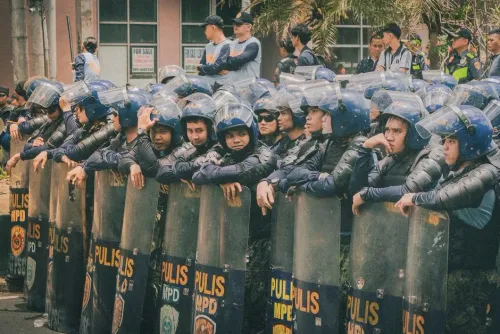
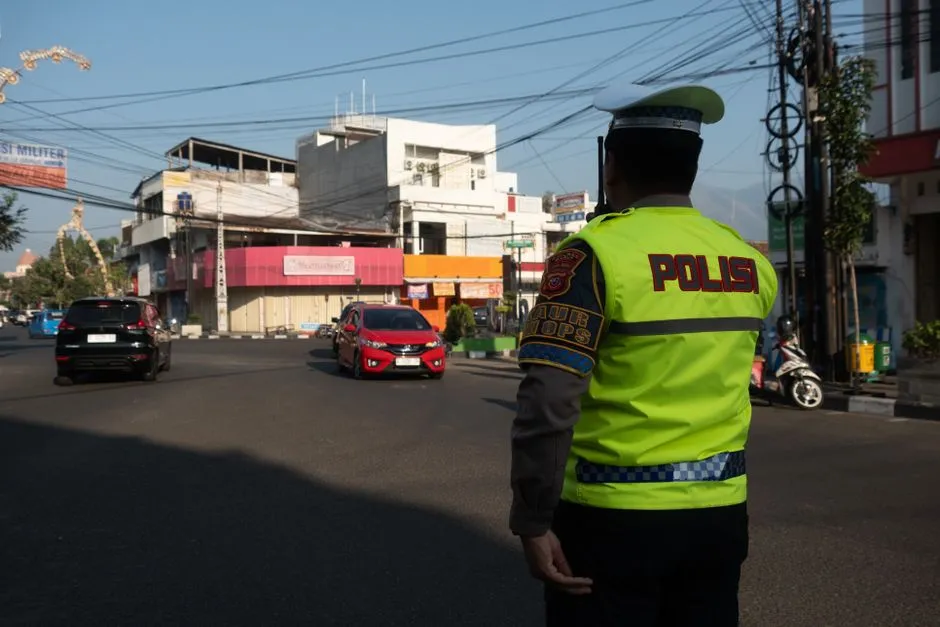
Police Public Relations Division Chief Inspector General Johnny Eddizon Isir outlined the restrictions in a press release on Monday, November 2. He said all police civil servants, known as PNPP, are prohibited from vaping at work and in public.
The directive applies throughout the institution: National Police Headquarters (Mabes Polri), regional police (Polda), resort police (Polres) and sector police (Polsek). According to Tempo.co and Suara.com, it also covers the state civil apparatus (ASN) within the police institution, as well as guests and visitors in all police workplaces.
Enforcement differs for personnel and visitors. PNPP who breach the ban face sanctions under applicable provisions. Guests or visitors caught vaping in a police workplace will receive a warning and be asked to turn off and put away their devices.
Johnny said police intend the measure to support discipline, professionalism and integrity within the force, while encouraging personnel to serve as examples to the public. He also expressed hope that other institutions and communities would follow, saying anti-drug efforts require prevention and changes in behavior alongside law enforcement.
Police cite drug distribution and internal misuse
Johnny identified the use of vape devices to distribute narcotics as a reason for the ban. Traffickers are moving beyond conventional distribution methods, he said, including by concealing narcotics in liquids used in the devices.
"This is a serious concern because visibly, the contents cannot always be distinguished between regular liquids and those containing narcotics," he said.
The circular also says police civil servants were found to have participated in the distribution and use of the substances concerned, according to Suara.com. Johnny described the ban as an internal prevention measure that complements police action against trafficking.
Among the substances police highlighted is etomidate, an intravenous anesthetic often misused in vape liquid. Brigadier General Eko Hadi Santoso, director of narcotics crimes at the National Police's Criminal Investigation Unit (Bareskrim), has said users can suddenly lose consciousness for a few seconds and then experience seizures. He noted that the effects vary from person to person.
Etomidate is classified as a Class II narcotic under Minister of Health Regulation No. 15 of 2025 on Changes in Narcotic Classification. Tempo.co reported that Health Minister Budi Gunadi Sadikin signed the regulation on November 21, 2025, and that it was promulgated a week later. The reclassification allows misuse to be prosecuted under the Narcotics Law or addressed through rehabilitation.
Health concerns in the circular
The circular also gives health reasons for the restrictions, Suara.com reported. It cites testing by Indonesia's National Research and Innovation Agency (BRIN) involving samples of vape users, which reportedly found diabetes associated with decreased insulin. About 92 percent of the samples also showed lung disorders.
Beyond the effects on users, the circular warns that addictive substances, hazardous chemicals and vape aerosol may damage the health of people nearby.
Six regulations form the legal basis
Tempo.co reported that the circular draws on six regulations. Three are national laws: Law No. 2 of 2002 on the National Police, most recently amended by Law No. 5 of 2026; Narcotics Law No. 35 of 2009, most recently amended by Law No. 1 of 2026; and Health Law No. 17 of 2023.
The remaining provisions govern discipline and professional conduct: Government Regulation No. 2 of 2003 on police disciplinary guidelines, Government Regulation No. 94 of 2021 on civil servant disciplinary guidelines, and National Police Regulation No. 7 of 2022 on the police code of professional ethics.