The demographic window and income goals
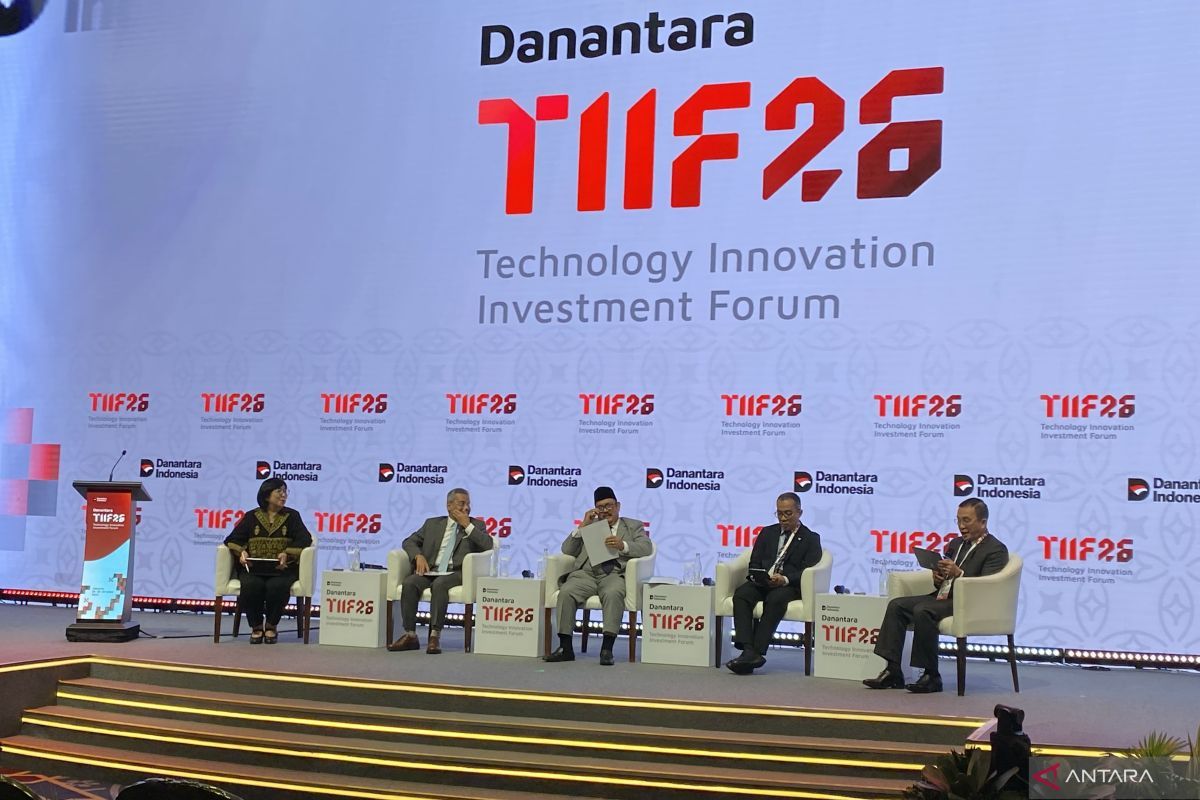
Addressing the Danantara Technology & Innovation Investment Forum (DTIIF) 2026, Brian said Indonesia's demographic dividend was expected to end around 2045. He urged the country to use the intervening years to strengthen its industrial base, pointing to South Korea, China, and India as examples of economies where industry has driven growth.
"We must establish industries as quickly as possible; that is key. Once industries are in place, innovation will follow," he said.
The government's ambition to achieve high-income status by 2045 is part of the Golden Indonesia 2045 vision, launched in late 2023. That strategy also targets per capita income of $30,300 and a poverty rate near zero by 2045.
A commentary from the S. Rajaratnam School of International Studies (RSIS) put those ambitions alongside Indonesia's growth record: GDP had expanded by an average of about 5 percent annually over the preceding decade, with the IMF projecting a similar pace over the medium term.
The commentary also noted that the World Bank classified Indonesia as an upper-middle-income country in July 2023. Separately, Statistics Indonesia (BPS) reported that the middle class, defined as people spending $132 to $643 a month, shrank from 21.4 percent of the population in 2019 to 17.1 percent in 2024.
Research partnerships with practical results
Brian called for closer ties between universities and businesses, saying academic research should yield innovations that companies can put to use, not stop at publication. Businesses, he said, should take a larger part in both financing and conducting joint research.
"We also want the industrial sector to collaborate with universities because in most developed countries, research funded by industry far outweighs government spending on research," he said. He cited Türkiye, where, according to the minister, industry provides up to 70 percent of research funding.
The forum's planned agreements were another focus of his remarks. According to Investor.id, Brian said Danantara aimed to secure 54 strategic cooperation agreements, or memoranda of understanding, and that more than 30 university rectors attended. He called for measurable follow-up on every agreement rather than allowing it to remain a formal document.
Investor.id also reported that the government opened opportunities at the forum for Indonesian researchers to work with ARM, Microsoft, Google, and Amazon Web Services on AI and digital infrastructure.
Alongside research cooperation, Brian urged an increase in graduates in science, technology, engineering, and mathematics (STEM) to supply the workforce needed by industries built on science and technology.
Six sectors at the inaugural forum
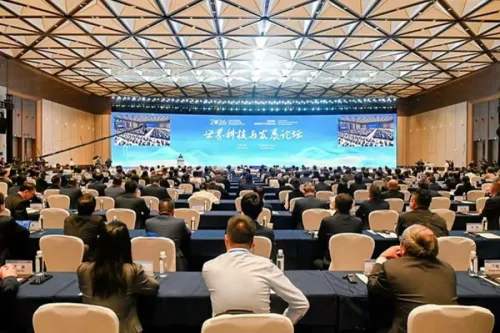
DTIIF 2026 is the first edition of Danantara Indonesia's flagship technology-investment platform. The event runs October 26-28 at Fairmont Jakarta with the theme "Investing in Tomorrow: Advancing Technology, Innovation, and Sustainable Growth," according to Danantara Indonesia.
Its six priority sectors are energy; agriculture, food, and health; advanced materials and semiconductors; transportation and infrastructure; finance and banking; and AI, digital infrastructure, and telecommunications.
Organizers expected more than 1,500 participants. Their projections included 170 global innovators, 131 global technology CEOs, 67 research and innovation centers, and more than 50 state-owned enterprises, as well as Nobel laureates, sovereign and institutional investors, and academic partners.