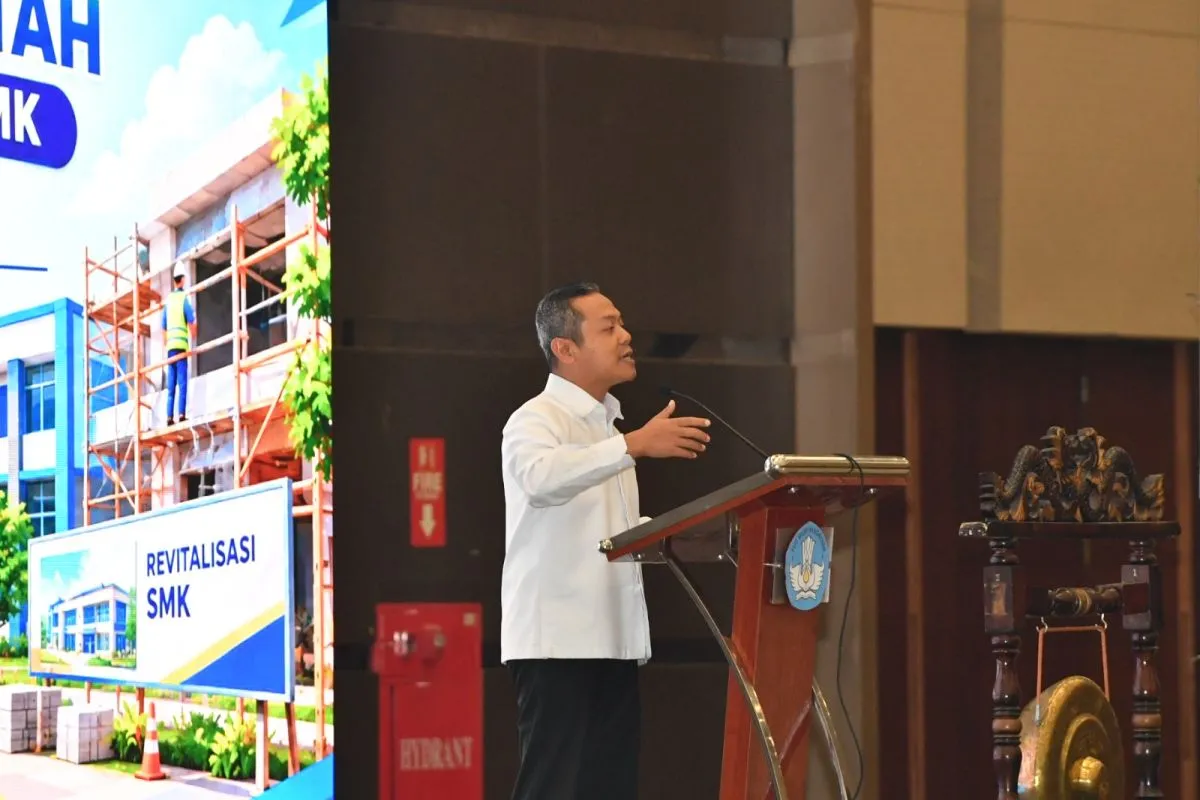
Construction, repairs and equipment
The program covers 553 public and 724 private vocational high schools, known as SMKs. Schools can receive support for new buildings, rehabilitation, renovation, furniture, improvements to school grounds and repainting. Classrooms, practice rooms and accessible toilets are among the facilities targeted.
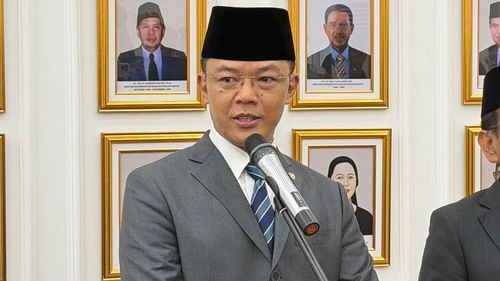
In a written statement on November 6, Deputy Minister of Primary and Secondary Education Fajar Riza Ul Haq said the work is intended to give students better facilities for developing skills in their fields. He said construction and repairs contribute to learning quality, while suitable learning spaces and sanitation affect students' comfort and motivation.
Haq called on schools to check the quality of work throughout planning and construction, including whether materials meet technical specifications for long-term use. Once the work is finished, he said, schools must provide regular maintenance in accordance with the rules governing school funding.
Preparing schools to manage the assistance
The ministry held a Phase 2 technical guidance session in South Tangerang from November 3 to 6 for representatives of 519 prospective recipient schools across several provinces. Principals, planning team leaders and technical officers received instruction on project planning, construction, administration and reporting.
Director General of Secondary and Special Education Tatang Muttaqin said the guidance supports compliance with the procedures and regulations governing the additional-budget program. He emphasized that successful assistance depends on more than funding: schools also need to be ready to implement the work and manage their facilities carefully and accountably.
At the session, the ministry said its directorates and provincial education offices had signed an integrity pact aimed at preventing irregularities in the distribution of assistance. It also told schools to reject requests for fees above the stipulated limits.
The ministry's oversight extends beyond this group of schools. In an October 8 report, it said it had monitored 138 education units in the 2026 School Revitalization Program, examining administrative compliance, financial accountability, management of the work and construction quality. Twenty of those units were in disaster-affected areas, including 15 vocational high schools and five special-needs schools, known as SLBs.
Broader expansion and budget plans
The 1,277 vocational schools fall within the nationwide School Revitalization Program. According to the ministry, the program reached 16,167 education units in 2025, surpassing its original target of 10,440, with an allocated budget of Rp16.9 trillion.
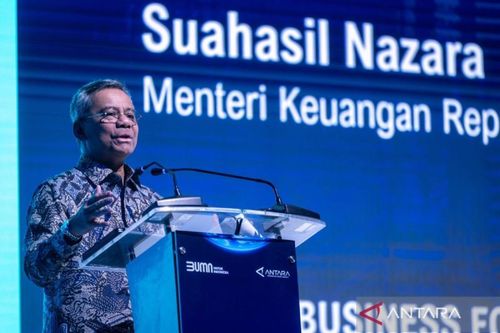
On March 25, 2026, Presidential Chief of Staff Muhammad Qodari announced a proposed Rp89.5 trillion in additional funding to support expanding the program to 60,000 units that year. The government submitted the proposal through the Finance Ministry under the 2026 Additional Budget process. Qodari said the initial 2026 target had been about 11,000 units.
Ministry Secretary General Suharti subsequently outlined a nationwide 2026 target of 71,744 education units in a June 16 statement. That total combined 11,744 units already backed by Rp13.4 trillion in allocated funding with a planned addition of about 60,000 units following a presidential directive. At the time of her statement, the additional units remained under discussion and in the budgeting process.
For 2027, the ministry said in its October 8 statement that its budget ceiling had been set at Rp89.10 trillion, an increase of Rp28 trillion from the previous Rp61.10 trillion ceiling. That included the restoration of Rp5 trillion to the School Revitalization Program, bringing the program's allocation to Rp14.28 trillion.