A bid to shape global health policy
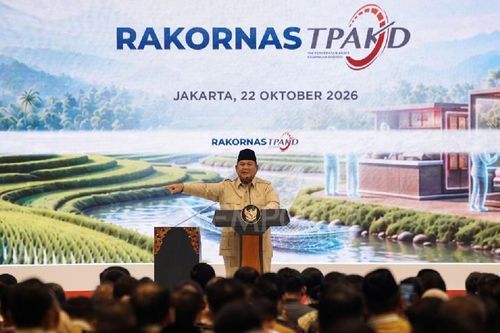
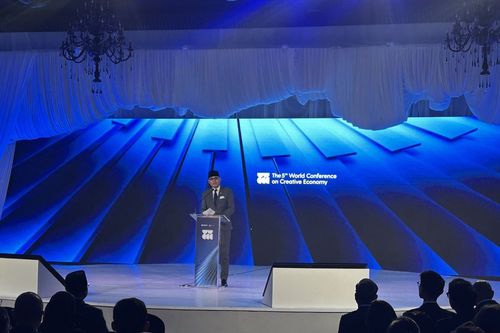
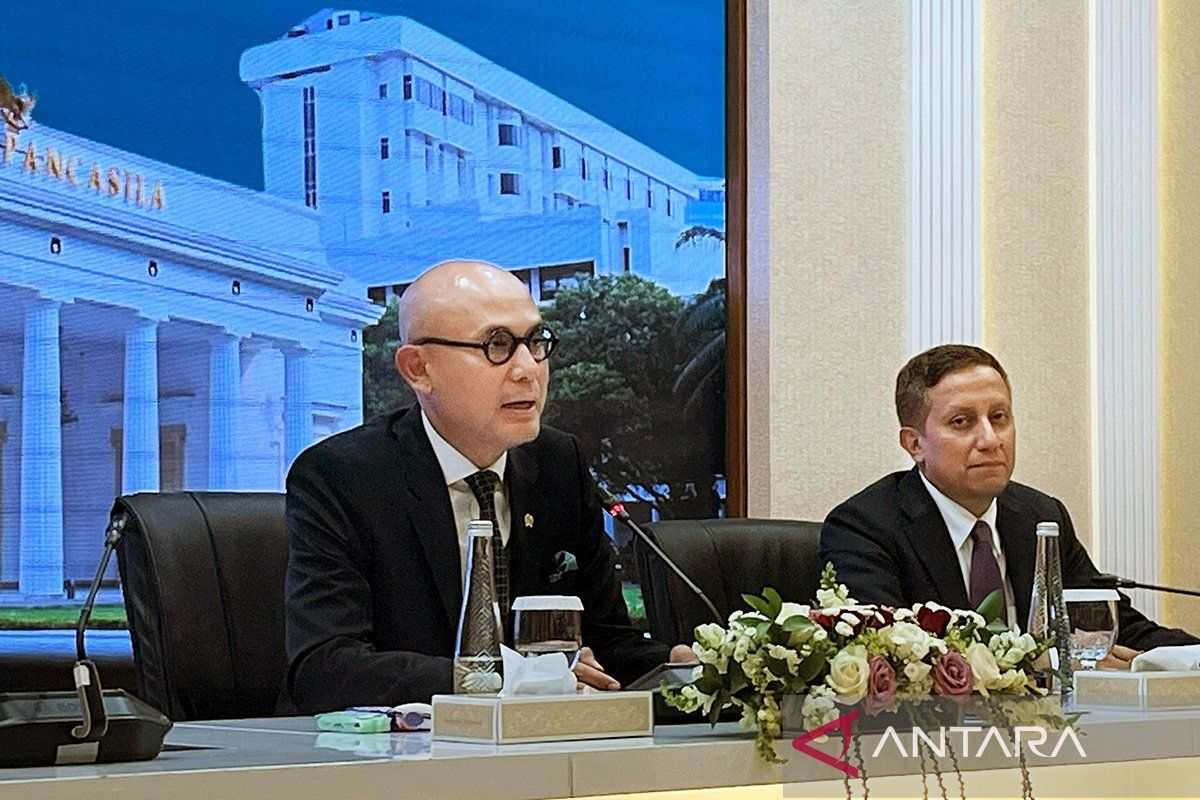
At his inaugural press briefing in Jakarta on October 12, 2026, Nasir argued that the multilateral system does not adequately serve developing countries. He presented Sadikin's nomination as a way for Indonesia to pursue change through leadership within the WHO.
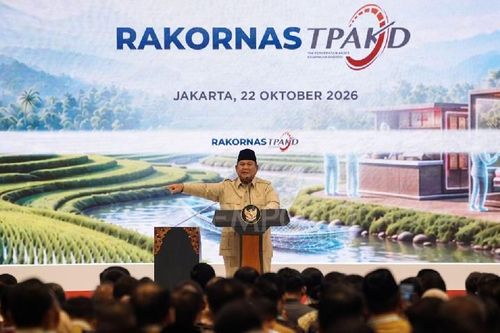
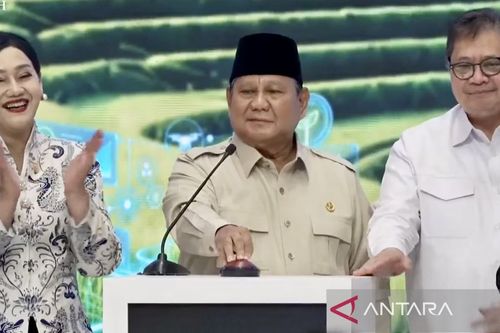
Sadikin had described the bid as a direct assignment from President Prabowo Subianto, according to an August 31 ANTARA report. He said Prabowo had urged him to run because Indonesia, despite its size, had never had a representative in a top position at a UN agency. Sadikin characterized his candidacy as an effort to champion the Global South.
His platform, "Healthy Long Lives for All," uses a "Build, Grow, Scale" framework, according to Health Policy Watch. It proposes end-to-end vaccine and diagnostic manufacturing capacity in at least 30 to 50 Global South nations. It also calls for the WHO to refocus on its core constitutional responsibilities: setting scientific norms and standards and convening.
Indonesia has also increased its WHO funding ahead of the campaign. Health Policy Watch reported that contributions recorded on the WHO portal rose nearly fourfold, from $7.67 million in 2024–2025 to $29.39 million for 2026–2027. The latter figure includes $13.13 million in flexible thematic funding. Within weeks of Sadikin's nomination, Prabowo pledged a further $30 million to the WHO investment round.
Sadikin's background
Sadikin trained as a nuclear physicist at the Institute of Technology Bandung in 1988 before spending about three decades in business, according to a Health Policy Watch candidate profile. His corporate roles included CEO of PT Bank Mandiri and president director of the state mining company Inalum. He became Indonesia's health minister in December 2020.
His international health work includes co-chairing the Accra Reset high-level panel and helping design the G20 Pandemic Fund, which is hosted by the World Bank, the profile said.
Health Policy Watch identifies Sadikin as the only nominee whose career began outside clinical medicine and epidemiology. Reuters similarly reported that he is the only candidate who neither came from the WHO nor trained in the health sector.
Indonesia's broader reform agenda
Nasir linked the WHO candidacy to Indonesia's work on the UN Board of Auditors, where it seeks greater accountability and transparency in international institutions. He said the nomination demonstrated Indonesia's willingness to contribute directly to global health governance.
Jakarta is also seeking a non-permanent UN Security Council seat for the 2029–2030 term. Nasir said Indonesia would advocate for a council that works more effectively, represents countries more fairly and operates transparently and democratically.
He said Indonesia would continue pressing the UN, WHO and other multilateral bodies to improve their efficiency, representation and responsiveness to the global community. Describing international law and multilateralism as essential to global stability, he argued that international agreements must apply to every nation, not benefit only a select group.
The candidates and election process
Sadikin faces six other candidates in the contest scheduled for May 2027. They include Belgium's nominee, former WHO Regional Director for Europe Hans Kluge; former Qatari Health Minister Hanan Al-Kuwari; and WHO Regional Director for the Eastern Mediterranean Hanan Balkhy. Incumbent Director-General Tedros Adhanom Ghebreyesus will finish his term on August 15, 2027.
The WHO's official election page says the process opened in April 2026, when the incumbent invited member states to propose candidates. Submissions closed on September 24, 2026. At its 160th session in 2027, the Executive Board will select up to three nominees for consideration by the Eightieth World Health Assembly, which will appoint the next director-general in May 2027.
That selection system dates to a 2012 World Health Assembly resolution adopted during Margaret Chan's second term as director-general, according to Health Policy Watch. It gave the Assembly a choice among up to three Executive Board finalists and was first used in the 2017 election won by Tedros.
Voting eligibility will depend in part on whether countries pay outstanding assessed contributions. In an October 20, 2026, report, Health Policy Watch said that although all 194 WHO member states are potentially eligible, countries in arrears cannot vote. More than a dozen states, including the United States, were deemed ineligible at the last World Health Assembly. The outlet estimated that only 174 states may be able to vote unless overdue payments are made.
Before the final vote, an official WHO candidates' forum accessible to the public is scheduled for November 18 or 19, 2026, Health Policy Watch reported. A second forum, for the three finalists, is scheduled for March 15, 2027.