Illness and school disruption
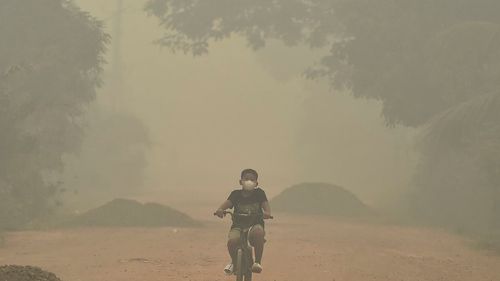
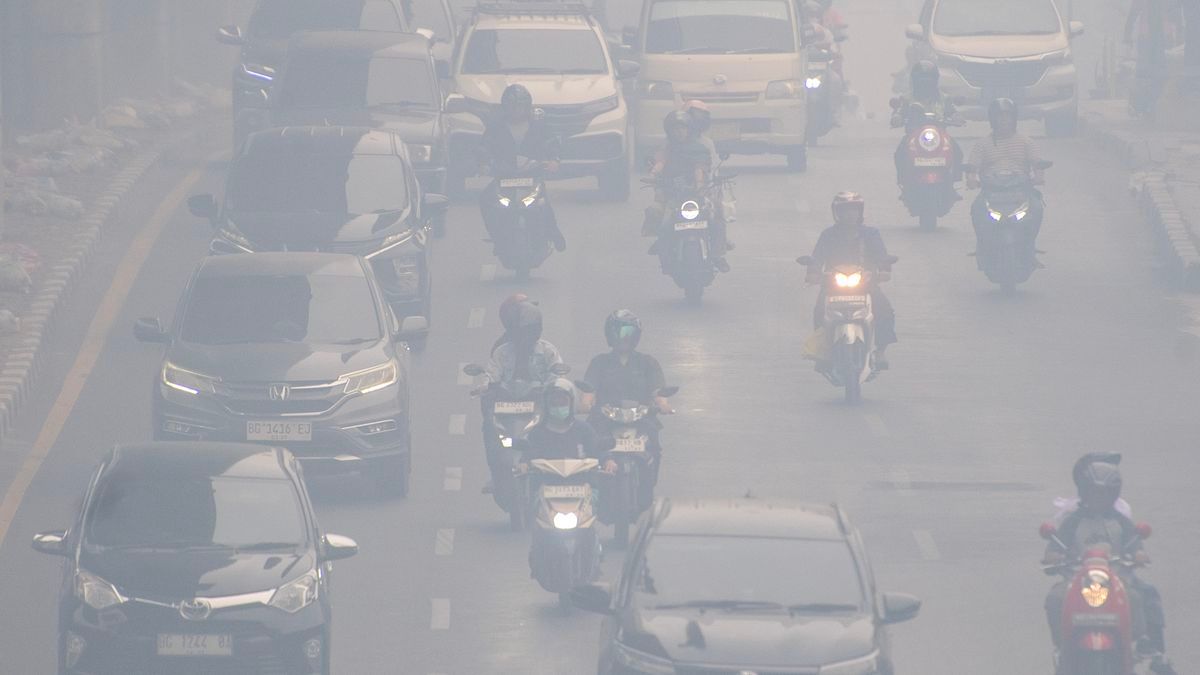
Health Ministry figures show a mounting respiratory toll. The number of patients with smoke-related breathing problems rose from 50,891 on September 1 to 113,336 on September 9, according to Kompas.com. Mongabay reported that the ministry's October 13 tally across seven fire- and haze-affected provinces was more than twice the September 9 figure.
Young children, including toddlers, are particularly vulnerable to respiratory infections. In an estimate cited by the Ministry of Environment, Celios projected that about 1.78 million people could develop respiratory problems, with healthcare costs borne by communities potentially reaching Rp 9.75 trillion.
The disruption extends to education on both sides of the border. DW reported that haze pushed more than 1.4 million students in Indonesia into remote learning and forced hundreds of Malaysian schools to close.
Firefighting figures and legal challenges
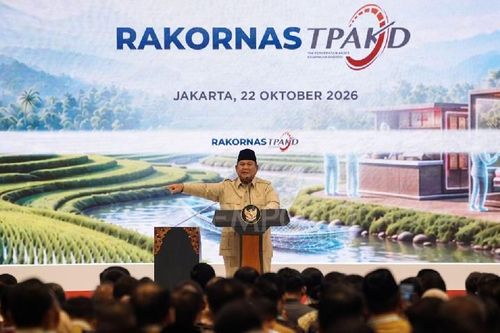
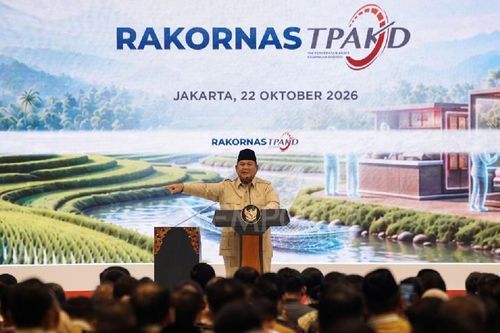
At an October 12 meeting at the presidential palace, President Prabowo Subianto presented firefighting operations covering just 639 hectares in the six worst-hit provinces as a sign of progress. On October 14, the disaster agency BNPB and the Ministry of Forestry clarified that the number measured only the areas where crews were working, not all land still burning nationwide, Mongabay reported.
Prabowo has also sought tougher penalties for slash-and-burn farming, calling the practice "ecological terrorism," according to the BBC. Authorities announced in September that they had suspended operating licenses for 26 companies linked to the fires, begun investigating others and pledged to bring criminal cases to court.
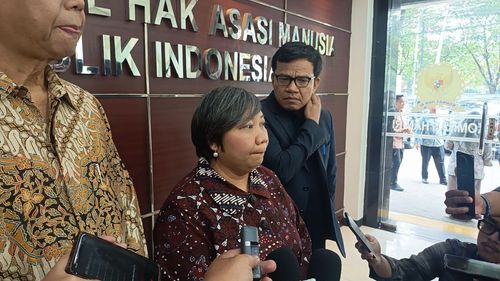
Civil society groups in Pontianak, West Kalimantan, have taken a separate legal route. Their class action lawsuit accuses the government and Prabowo of "gross negligence" over recurring toxic haze. They want a national disaster declaration that would allow recovery measures, including coverage of healthcare costs. The BBC reported that a similar lawsuit filed in South Sumatra last year was dismissed.
Cross-border criticism and offers of help
Malaysia offered an aircraft for firefighting, three helicopters and 52 personnel, while Singapore also offered assistance. Indonesia had not formally accepted either country's offer as of mid-October, according to Mongabay. The offers were not discussed at Prabowo's October 12 palace meeting.
As smoke spread into neighboring regions and countries, it also drew protests. During an October 21 parliamentary session, Kalam Salan, who represents Sabak Bernam in Malaysia's House of Representatives, criticized Prabowo and deliberately addressed the issue in Javanese. He urged Indonesia to stop the fires immediately, citing the breathing difficulties facing people in both countries.
Fires reach wildlife habitats
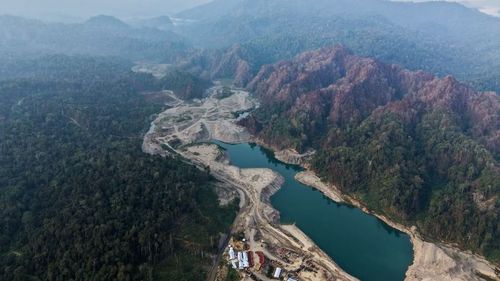
In Kalimantan, fire has entered Tanjung Puting National Park, an important orangutan habitat. The Ministry of Forestry reinforced firefighting efforts near the animals' feeding sites.
The ministry reported rescuing 24 wild animals in West Kalimantan from August 1 through September 10, including 15 orangutans and one proboscis monkey. In Sumatra, fires in Riau's Kerumutan Wildlife Sanctuary threaten habitat used by Sumatran tigers.
Forest destruction leaves wildlife with less room to live, raises the risk of encounters and conflict with people, and damages an ecological balance that can take a long time to recover.
Economic losses estimated in trillions of rupiah
By mid-October, the fires had caused an estimated Rp 167 trillion in economic losses, or roughly 0.65% of nominal GDP, according to Teguh Yudo Wicaksono, dean of the Faculty of Economics and Business at Indonesia's International Islamic University (UIII). His estimate ranged from Rp 136 trillion to Rp 234 trillion.
The calculation is not an official government assessment. It uses a benefit-transfer method based on the World Bank's study of the 2015 fires. For comparison, those fires burned roughly 2.6 million hectares and caused an estimated $16 billion in economic losses, according to World Bank figures reported by DW.
Wicaksono said losses in 2026 could reach Rp 204 trillion, about 0.79% of GDP, if the remainder of the fire season follows a pattern similar to 2015 and 2019.