Respiratory illness surges across Indonesia as wildfire smoke worsens air quality
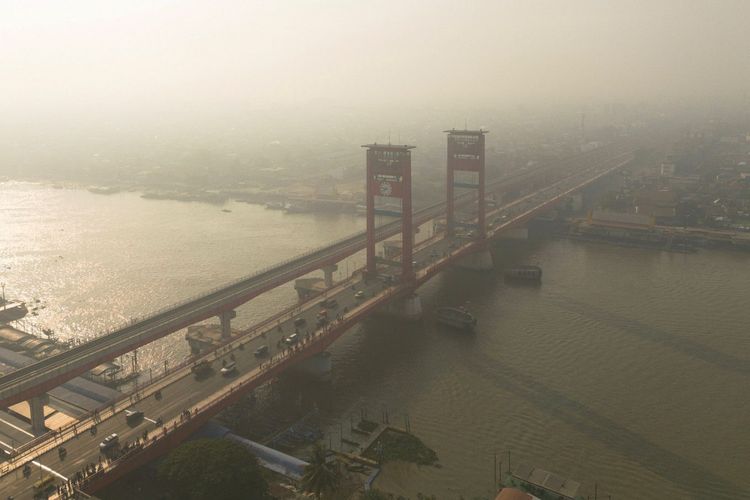
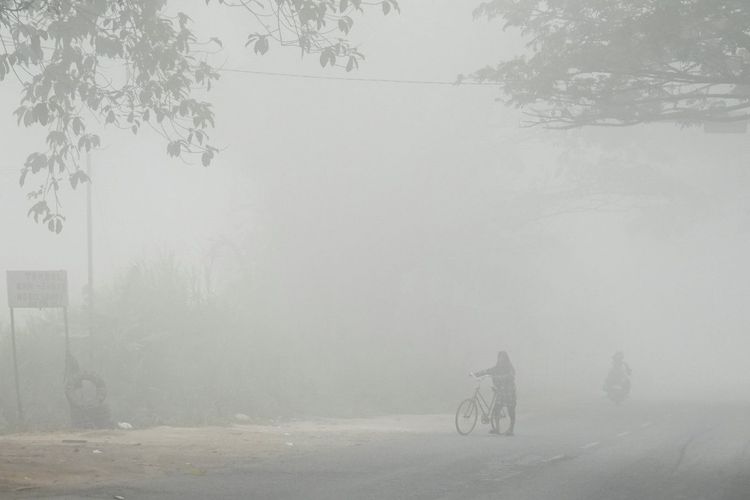
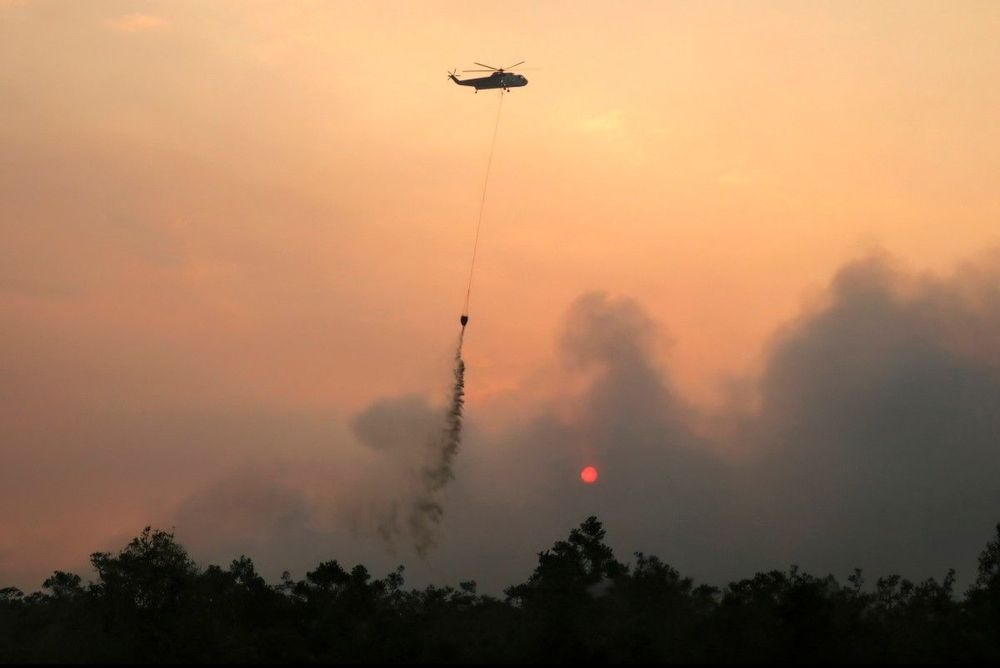
Respiratory illnesses are rising sharply across Indonesia as an extended dry season drives widespread forest and land fires, with health facilities in Kalimantan and Sumatra reporting thousands of additional cases amid deteriorating air quality conditions.
The Health Ministry reported approximately 15.6 million acute respiratory infection cases nationwide since January, representing an increase of about 200,000 cases compared to the same period last year. While ministry officials noted that the largest outbreaks have concentrated in densely populated Java provinces, health authorities in fire-affected regions have documented marked increases in respiratory complaints as haze blankets communities.
Indonesia's National Disaster Management Agency reported that as of mid-August, forest and land fires had burned over 30,000 hectares across the archipelago, with Kalimantan and Sumatra among the most severely affected regions.
West Kalimantan, one of the provinces with the largest burned areas this year, has experienced a surge in emergency room visits for respiratory infections since July. The provincial administration ordered all regional public hospitals and community health centers across its 14 regencies and cities to provide round-the-clock emergency medical services following the spike in cases.
Poor air quality has caused a spike in cases of respiratory illness
said Hary Agung Tjahyadi, director of RSUD Dr. Soedarso in Pontianak, the provincial capital.
Indonesia declared a state of emergency in several Central Kalimantan districts in early August due to worsening air quality, with the Pollutant Standards Index reaching hazardous levels above 300 in multiple locations. Particulate matter from wildfire smoke contains toxic compounds that can penetrate deep into lungs and enter the bloodstream, with short-term exposure linked to increased hospital admissions for respiratory infections, asthma attacks, and cardiovascular problems.
Vulnerable populations at heightened risk
Children under five and elderly populations face particular vulnerability to respiratory infections from wildfire smoke, with hospitalization rates for these groups typically two to three times higher than the general population during haze events.
The current crisis echoes Indonesia's 2015 haze emergency, one of the worst on record, which resulted in an estimated 100,000 premature deaths across Southeast Asia and cost the Indonesian economy approximately 16 billion dollars, according to World Bank estimates.
Climate patterns intensify fire conditions
El Niño weather patterns, which bring prolonged dry seasons to Indonesia, historically correlate with increased fire activity. The 2026 dry season has been one of the longest in the past decade, with some areas receiving less than 20 percent of normal rainfall since June, creating conditions conducive to widespread burning.
Many fires are set deliberately for agricultural land clearing, complicating enforcement efforts despite Indonesia's commitment under the 2002 ASEAN Agreement on Transboundary Haze Pollution to prevent and control land and forest fires.
Regional impact and diplomatic tensions
The wildfire crisis has extended beyond Indonesia's borders, with Malaysia activating its National Haze Action Plan in August and lodging diplomatic protests over transboundary smoke pollution. Air quality in several Malaysian states has deteriorated to unhealthy levels as smoke drifts across the region.
Health authorities continue monitoring the situation as the dry season persists, with officials urging vulnerable populations to limit outdoor activities and seek medical attention for respiratory symptoms.