Indonesia grants Malaysia airspace access for cloud seeding amid regional haze crisis
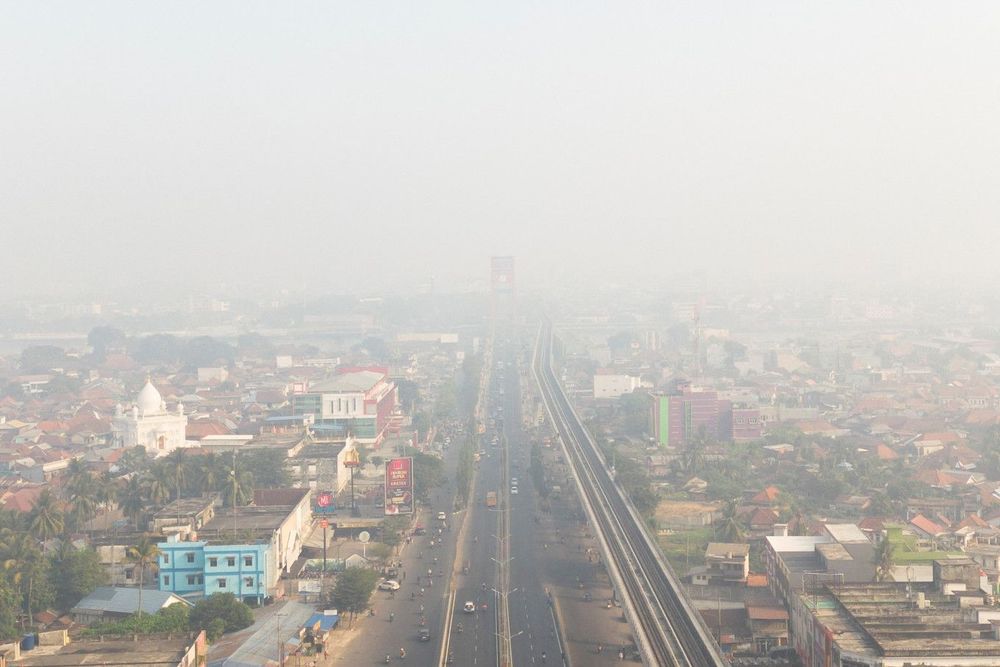
Indonesia has granted official permission for Malaysian agencies to enter its airspace to conduct cloud seeding operations, Malaysia's environment minister announced Monday, marking a significant step in bilateral efforts to combat the thick haze blanketing the region from persistent forest and land fires.
The authorization comes as both countries grapple with deteriorating air quality caused by fires across Indonesian provinces, which have forced dozens of school closures and disrupted daily life in Indonesia and neighboring Malaysia. Cloud seeding, a weather modification technique that involves dispersing substances like silver iodide into clouds to encourage precipitation, has been employed by multiple Southeast Asian countries including Malaysia, Indonesia, Thailand, and China to combat haze and drought conditions.
Malaysia's Natural Resources and Environmental Sustainability Minister Arthur Joseph Kurup said the national disaster management agency and meteorological department are preparing schedules for cloud seeding operations in shared border locations, to be coordinated with the Indonesian military. The cooperation represents a practical application of regional frameworks like the 2002 ASEAN Agreement on Transboundary Haze Pollution, which Indonesia ratified in 2014 after years of delay, becoming the last ASEAN member to do so.
Severe conditions across Borneo and Sumatra
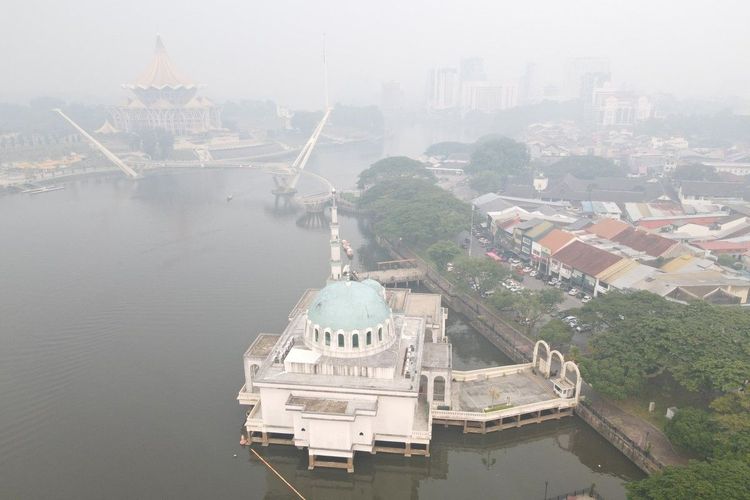
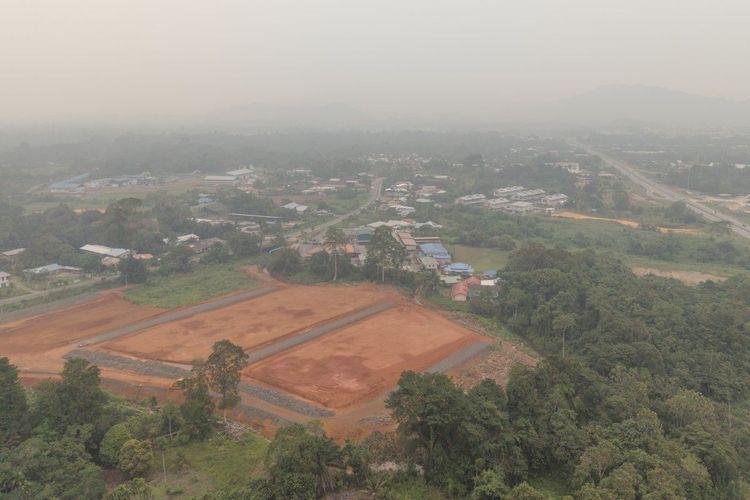
Thick haze has covered most parts of Borneo, the island shared by Indonesia's Kalimantan, Malaysia's states of Sabah and Sarawak, and Brunei. The two nations share approximately 2,000 kilometers of border across the island, making cross-border coordination on environmental issues operationally complex. Visibility has fallen in some areas to just 1 meter, disrupting road traffic, delaying flights, and causing respiratory problems among residents.
Air Pollution Index readings above 100 are classified as unhealthy, above 200 as very unhealthy, and above 300 as hazardous. Six districts in Sarawak recorded unhealthy API readings on Monday, according to Malaysia's environment department data. The Malaysian peninsula, which lies adjacent to Sumatra, also saw unhealthy API levels in eight districts across four states.
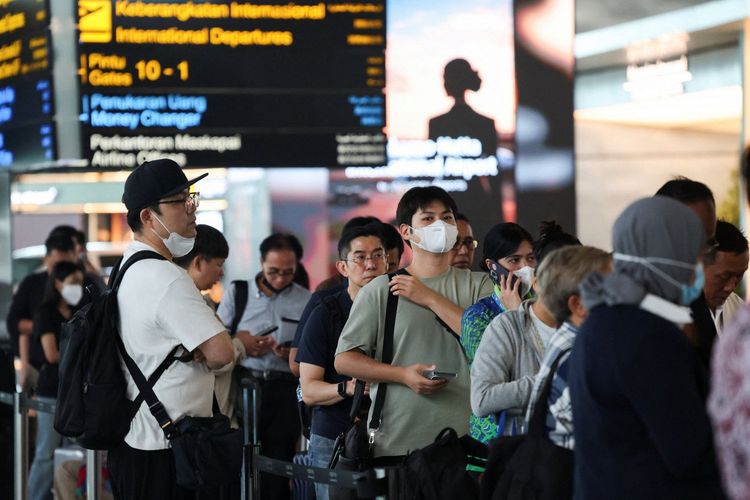
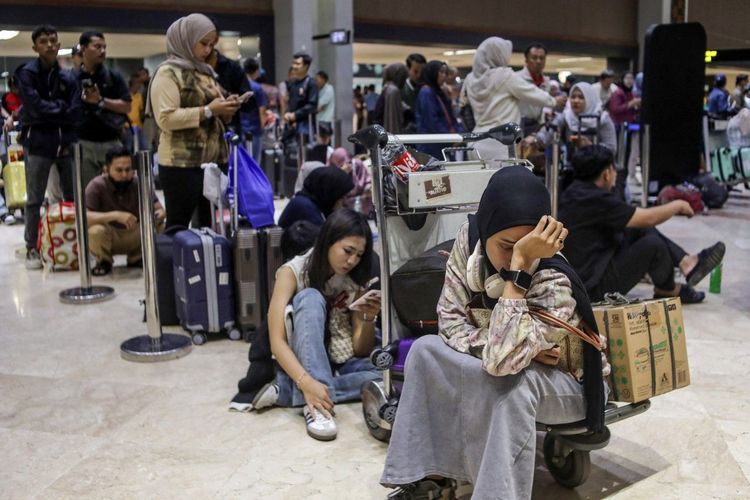
The region's aviation industry has faced significant disruptions, with flight delays and cancellations affecting passenger travel. During severe haze events, airports in Southeast Asia have reported cancellations affecting tens of thousands of passengers, adding economic costs to the health and environmental toll.
Persistent fires despite containment efforts
Indonesia has deployed aerial firefighting aircraft and conducted weather modification operations to contain the blazes, but thick smog continued to blanket the island as of Monday. In Sumatra, persistent fires have affected the provinces of Riau, Jambi, and South Sumatra amid dry conditions expected to continue for weeks. Pekanbaru, the capital of Riau, instructed all schools Monday to conduct classes online to protect children from haze exposure.
The fires prove particularly challenging to extinguish because Indonesia has over 2 million hectares of peatland in Kalimantan and Sumatra, where fires burn underground and can smolder for months, producing significantly more smoke than surface fires. Approximately 99% of Indonesia's land and forest fires are caused by human activities, primarily land clearing for palm oil and pulpwood plantations, according to the country's Ministry of Environment and Forestry.
The environmental stakes extend beyond immediate health concerns. Borneo contains approximately 6% of the world's remaining tropical rainforest and ranks among the most biodiverse regions on Earth, serving as habitat for endangered species including orangutans, pygmy elephants, and Sumatran rhinos.
Regional cooperation and upcoming holidays
Malaysia has also expressed readiness to assist Indonesia in extinguishing the fires, with any specific requests to be brought to cabinet for further action, Kurup said. Both countries are escalating their firefighting and fire prevention programs ahead of national holidays in coming weeks, including Malaysia Day celebrations in Sarawak state on September 16.
The current crisis echoes the severe haze episode of 2015, which affected over 40 million people across Southeast Asia and caused economic losses estimated at $16 billion. During that crisis, some areas in Indonesia recorded API readings exceeding 2,000, far beyond hazardous levels.
The persistent dry conditions driving the current fires are influenced by broader climate patterns. El Niño weather patterns significantly exacerbate haze conditions in Southeast Asia by causing prolonged dry seasons and drought that increase fire risk while reducing the natural rainfall that would normally suppress fires.