
Global momentum builds for land restoration as COP17 convenes in Mongolia
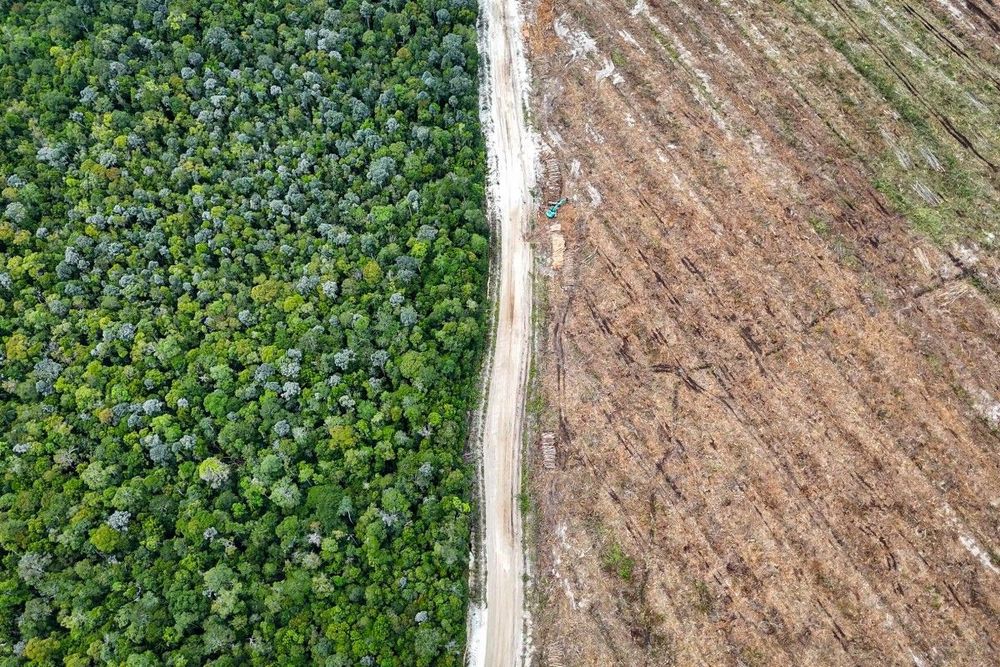
Land degradation continues at an alarming pace, claiming territory equivalent to four soccer fields every second. This relentless loss translates to an annual forfeiture of area comparable to two Spains, with economic costs approaching $1 trillion each year and putting billions of people at risk.
Current data reveals that approximately 40 percent of the planet's land is already degraded, directly affecting half of humanity and threatening roughly half of global GDP. Without intervention, projections indicate that up to 95 percent of the world's land could be degraded by 2050, with droughts impacting more than three-quarters of the global population.
Yet as delegates convene in Ulaanbaatar, Mongolia, from August 18-29, 2026, for the 17th Conference of the Parties to the United Nations Convention to Combat Desertification, there are grounds for cautious optimism. The summit's theme, "Restoring Land. Restoring Hope," reflects growing recognition that land restoration represents both an environmental imperative and an economic development opportunity.
Critical elements converging
For the first time, essential components for large-scale land restoration are beginning to align: political will, international cooperation, implementation capacity and financing. Five recent developments suggest this could mark a decisive moment for translating ambition into action.
The first indicator is expanded participation in the UNCCD process. The previous summit, COP16 in Riyadh in December 2024, brought together 196 countries and the European Union in what became the largest and most inclusive gathering to date. Saudi Arabia's presidency marked the first time an Arab nation hosted the desertification convention conference, elevating land use and drought on the global agenda while linking them to food and water security, gender equality and land tenure.
That summit produced the landmark Riyadh Action Agenda, the first global framework dedicated to land issues, which has since attracted more than 100 public and private partners. The gathering mobilized $12 billion for programs including the Riyadh Global Drought Resilience Partnership, which aims to help 80 countries build resilience against drought by 2030, with initial funding commitments of $2.15 billion.
Private sector engagement also expanded through Business4Land, a UNCCD initiative launched in 2023 that has mobilized over 40 companies for land restoration commitments. Two forthcoming Riyadh Action Agenda initiatives, the Land & Soil Breakthroughs and the Community Platform, aim to accelerate progress as countries increasingly translate political commitments into national drought plans and concrete targets.
National commitments expanding
Currently, 129 countries have set land degradation neutrality targets, representing voluntary national commitments to halt and reverse land degradation within their territories. These countries are working to implement strategies that balance land restoration with sustainable development.
The second positive sign is progress toward greater convergence among the Rio Conventions. The climate, biodiversity and land agendas that emerged from the 1992 Rio Earth Summit have advanced separately for decades, operating with distinct governance structures and funding mechanisms. They are now increasingly understood as interconnected dimensions of a single planetary crisis, a recognition that is both overdue and essential for developing more integrated approaches to policymaking, finance and implementation.
Host nation's perspective
Mongolia's selection as COP17 host carries particular significance. The nation has committed to restoring 3.3 million hectares of degraded land by 2030 as part of its national target, while facing desertification challenges affecting over 76 percent of its territory. This firsthand experience positions Mongolia to bring practical insights to discussions on implementation of land restoration commitments and the Riyadh Action Agenda.
Economic analyses suggest that restoring degraded land can generate returns estimated at $7-30 for every dollar invested, according to the Economics of Land Degradation Initiative and UNCCD assessments. These projections underscore the potential for land restoration to deliver not just environmental benefits but substantial economic returns.
The convergence of these factors—broader participation, increased financing, private sector engagement, integrated policy frameworks and expanding national commitments—creates unprecedented momentum. Whether this moment translates into sustained action will depend on how effectively the international community can move from commitment to implementation in the critical years ahead.