Fossil fuel language dropped
The nine-page proposal removes an earlier call for "accelerated action to phase out fossil fuels," AFP reported. The document is a draft cover decision, intended to set out the summit's outcome and provide a framework for subsequent climate action.
The omission leaves the text without an explicit reference to fossil fuels, the leading cause of global warming, for a second consecutive annual summit. Countries agreed at COP28 in Dubai in 2023 to transition away from those fuels, but naming particular energy sources remains contentious in negotiations that require consensus.
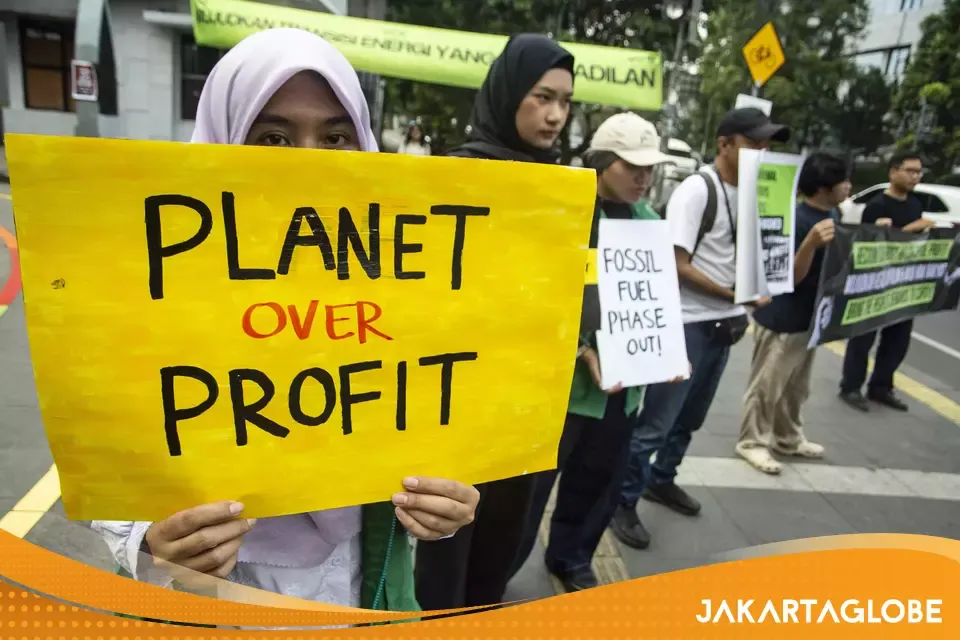
Campaign groups condemned the change. WWF's Inga Fritzen Buan told AFP that major fossil energy producers were trying to undermine emissions reductions and the energy transition, adding that "with this draft, they are succeeding." Harjeet Singh, convenor of the Fill the Fund campaign, called the removal of explicit transition language "a glaring regression." Power Shift Africa's Mohamed Adow said the text "has gone backwards".
Panama had already threatened to withhold support for a deal without a global oil production cap. DW reported that its demands also included steps to eliminate methane. Environment Minister Juan Carlos Navarro said Panama would not lend its name to "complacent or ineffective language." Australian Climate Minister Chris Bowen, who is leading the negotiations, said he had not yet seen Panama's letter detailing its objections.
A shorter proposal after days of consultations
Bowen planned consultations with every negotiating group through Thursday afternoon and into the night. Ministers offered little immediate reaction while examining the revised proposal, which followed days of tense discussions.
The new document is about half as long as the first draft, released November 16, 2026. That version contained 144 provisions across 18 pages. According to Bowen, it brought together 45 submissions representing more than 160 countries and totaling over 500 pages. Its competing options on energy, finance and trade had drawn complaints about its length and complexity.
One proposal in the first draft would have required developed countries to reach net-zero emissions by 2030. Bowen said that language reflected submissions from some developing countries and that he expected other parties to strongly disagree.
Australia and Turkey are sharing the presidency of COP31, the first UN climate conference with a two-country presidency. Bowen said the arrangement had worked well and that he would recommend it for future summits.
The negotiations are taking place during a record-breaking El Niño, climate-related disasters across Europe and Nepal, and an energy shock caused by the Iran war. Among those disasters, DW reported, was an August 2026 glacier collapse in Nepal linked to planetary heating that killed more than 1,400 people.
Disagreement over how to electrify
Turkey's push for electrification remains in the revised draft. The proposal would raise electricity's share of global final energy demand to 35% by 2035, compared with about 20% today, according to DW. The text says electrification could improve energy security while reducing greenhouse gas emissions.
On November 16, Bowen said the European Union had announced it would join Turkey's electrification pledge on behalf of all its member states, following the United Kingdom. But some countries object that the negotiating text does not specify that the additional power must come from clean sources rather than coal or gas. French Ecological Transition Minister Monique Barbut pledged to "fight for clean electrification" using renewable and nuclear energy.
Despite omitting fossil fuels, the revised proposal recognizes the need for "deep, rapid and sustained" emissions reductions and calls for stronger action on methane, DW reported.
Carbon capture, utilization and storage is another disputed issue. Some countries have rejected proposals to expand the technology, which critics consider a costly diversion from reducing emissions at their source. Vanuatu's Climate Minister Ralph Regenvanu told AFP it "had been singled out for special attention that it doesn't deserve" in the draft.
Finance demands and a dispute over scientific reports
On adaptation finance, the draft proposes more discussions about tripling support by 2035 but no longer includes the $120 billion target developing countries sought. DW reported that it also acknowledges a shortfall between financing and needs, citing estimated adaptation costs for developing countries of $305 billion a year through 2035.
Wealthier countries have resisted demands for additional funding, pointing to budget pressures and arguing that major emerging economies, including China, should contribute as well.
The proposal voices "deep concern" about the imminent breach of the Paris Agreement's 1.5-degree Celsius temperature threshold. It also emphasizes the work of the Intergovernmental Panel on Climate Change, the leading global scientific authority on climate change.
Countries remain divided over when the IPCC should release its next assessments. Dozens want publication before the 2028 global review of emissions-cutting progress; a smaller group, including Saudi Arabia and India, favors delaying the reports until 2029.