National marriage rate masks provincial differences
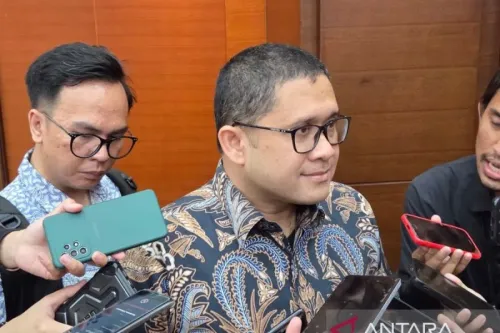
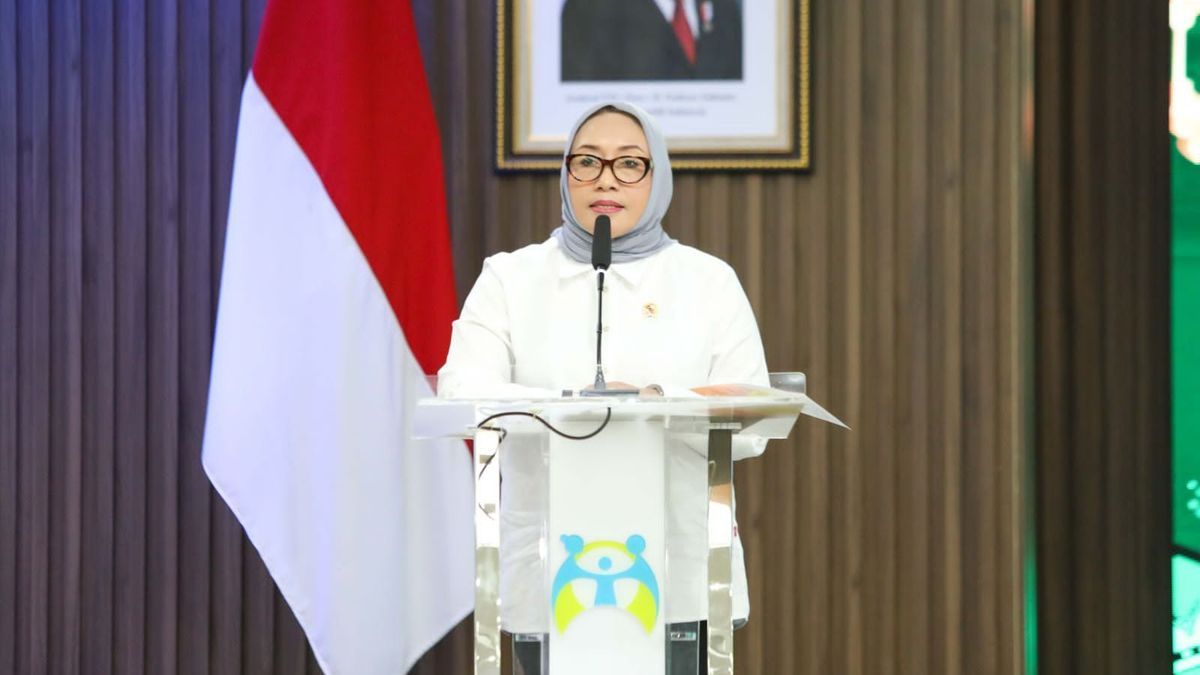
Arifah presented the figures at the ministry's Central Jakarta office during a review of its achievements under the two-year administration of President Prabowo Subianto and Gibran Rakabuming Raka. Kompas.com reported her remarks on child marriage, while Kompas.id's coverage of the same press conference also included the child labor figures.
The national marriage measure describes a specific group, rather than all children. According to October 2026 reporting by SBS Indonesian citing the Central Statistics Agency (BPS), 4.56% of Indonesian women ages 20 to 24 had married or lived with a partner before turning 18.
Provincial rates were substantially higher in several places. South Papua had the highest figure, at 12.94%, followed by West Papua at 12.25%, West Nusa Tenggara at 11.31% and West Sulawesi at 11.21%, SBS Indonesian reported.
Arifah had previously highlighted East Java's decline, from 10.67% in 2020 to 5.49% in 2025, during National Family Day there on June 29, 2026. She identified the National Strategy for the Prevention of Child Marriage as the framework for ministries and local governments to tackle both registered and unregistered child marriages.
Child labor and other measures
Separate figures discussed in a June 2026 International Labour Organization (ILO) op-ed put the number of child laborers at roughly 1.05 million in 2025, down from 1.27 million in 2024. Citing official data, the piece also noted that more than one million children remained in the unregulated informal economy.
The ministry's review included gains in two child-related indexes. The child fulfillment index reached 70.19 in 2025, compared with 68.87 in 2024; the special child protection index increased from 80.32 to 81.98.
Kompas.id also reported changes in women's employment indicators: the gender wage gap narrowed to 20.27% in 2025 from 21.89% in 2024, and women's participation in managerial positions increased from 35.49% to 36.68%.
Arifah acknowledged that the gains were small compared with the number of Indonesian children who still needed attention, while emphasizing what assistance meant for those able to resume their education. "For a child, going back to school isn't just about returning to the classroom; it represents a chance for a better future," she said.
She also emphasized children's rights to health, education, safety and protection from violence, saying the government continued working to extend those rights to more children and was beginning to see results.
Protection services still face gaps
The ministry's account also identified shortcomings in protection services. As of the October 27 report, four provinces and 66 regencies and cities had no Regional Technical Implementation Unit for the Protection of Women and Children (UPTD PPA), according to Kompas.id. Units already operating faced too few staff, inadequate facilities, constrained budgets and coordination difficulties.
At the same event, Arifah raised concerns about communication between children and parents. She cited a Central Java Children's Forum survey of more than 20,000 children in which 80% said they preferred sharing their feelings with friends rather than parents. She linked that finding to parenting patterns and rising cases of violence against children.