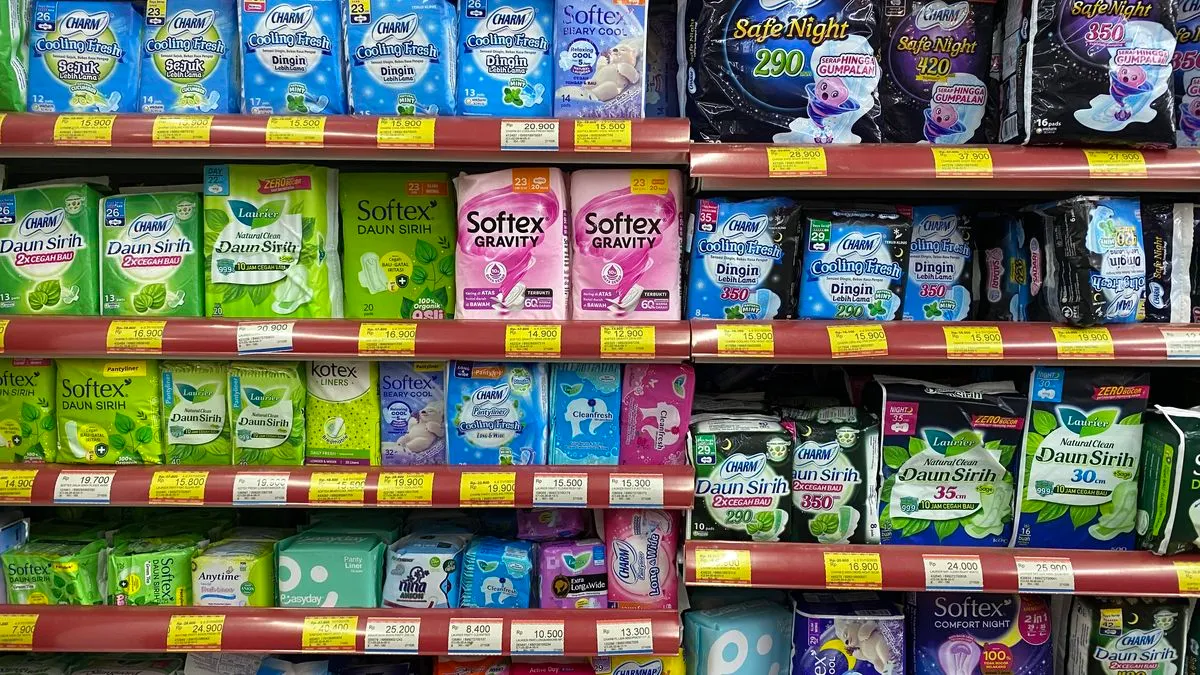
Advocates cite reproductive-health needs
Niti Emiliana, chair of the Indonesian Consumer Foundation (YLKI), urged the government to eliminate VAT on sanitary pads. Because menstruation is an unavoidable biological process, she said, pads are a necessity, and taxing them can increase women's recurring financial burden.
The criticism extends beyond household costs. Advocates warn that the tax could deepen economic inequality and impede reproductive-health rights.
Komnas Perempuan, Indonesia's National Commission on Violence Against Women, also challenged the policy. In an October 30, 2026, press release, Vice Chairperson Dahlia Madanih described the treatment of menstrual products under Finance Minister Regulation No. 131 of 2024 as gender-biased. She said its effective 11% VAT on the retail price does not account for women's specific reproductive-health needs.
Dahlia connected the dispute to "period poverty," which encompasses inadequate access to menstrual products, sanitation, clean water and menstrual-health information. She linked those needs to Indonesia's Sustainable Development Goals commitment, especially poverty eradication, and noted that women's needs go beyond pads to include circumstances such as childbirth, bleeding and miscarriage.
An effective 11% tax, with no essential-goods exemption
For sanitary pads and other non-luxury taxable goods, Finance Minister Regulation (PMK) No. 131 of 2024 applies a 12% headline rate to a tax base of 11/12 of the selling price. That calculation makes the effective VAT burden 11% of the selling price, according to MUC Consulting.
A package priced at IDR 20,000 before VAT, for example, carries IDR 2,200 in tax, bringing the total to IDR 22,200. Taxation of menstrual products is commonly known as the "period tax."
The exemption for certain essential goods falls under Article 6, paragraph (1), letter p, and paragraph (2), letter q, of Government Regulation (PP) No. 49 of 2022. Article 7, paragraph (2), identifies the covered goods: rice, unhusked rice, corn, sago, soybeans, salt, meat, eggs, milk, fruits and vegetables. Sanitary pads are not included.
Tax office says the general VAT rules apply
Inge Diana Rismawanti, director of dissemination, services and public relations at the Finance Ministry's Directorate General of Taxes (DJP), told Kompas.com on October 29, 2026, that sales of sanitary pads generally incur VAT when they meet the conditions set by applicable tax rules.
She explained that consumer goods normally fall within the Taxable Goods (BKP) category unless an exemption applies. Inge said the levy on pads is therefore part of the broader consumer-goods VAT system, rather than a tax specifically targeting women or menstruation.
While recognizing menstrual products' role in public health and hygiene, Inge said any change to their tax treatment would require an assessment of existing regulations, effects on society and fiscal implications.