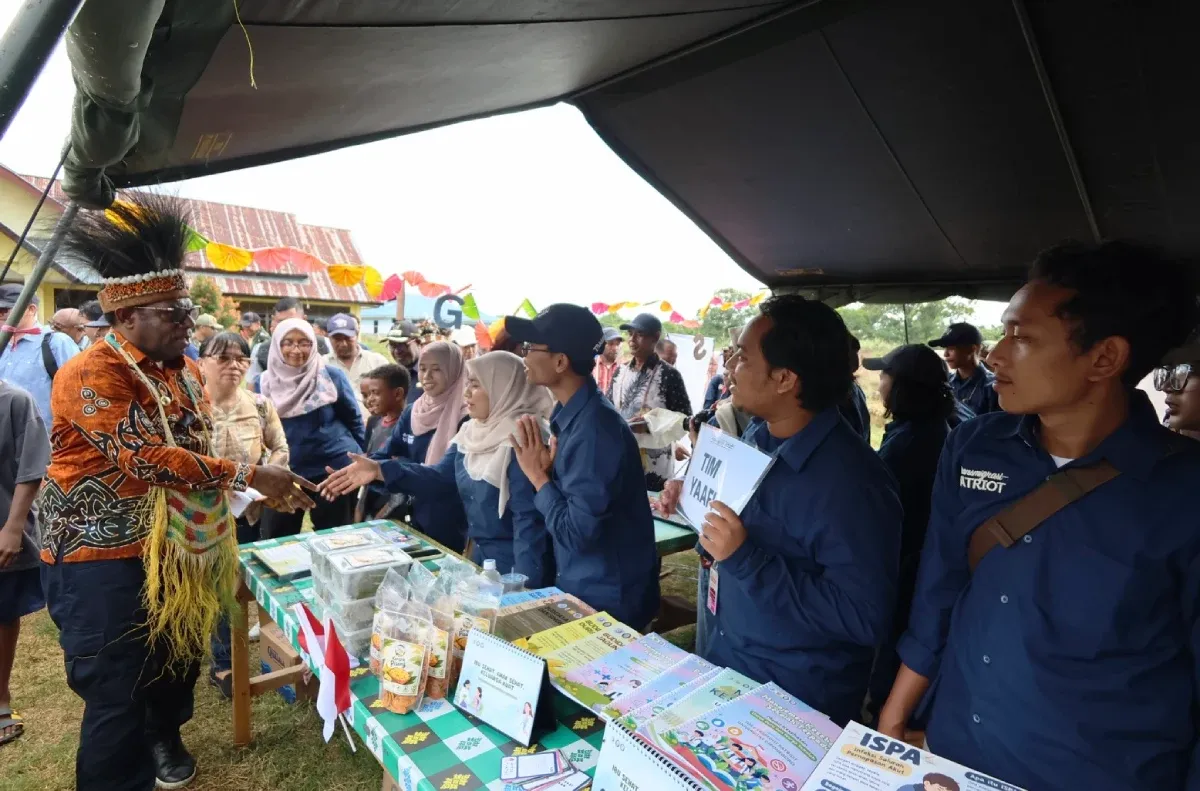
Farm projects and water infrastructure
The work presented covered the Senggi Transmigration Area and nearby communities. Across its broader 2026 deployment, Universitas Diponegoro (UNDIP) assigned 20 teams comprising 100 members and 20 team leaders to Towe Hitam, Senggi and Yaffi in Keerom Regency, coordinator Wiwandari Handayani told Kompas.com in a November 24 report.
At Settlement Unit (SP) 2 Senggi, residents and the team established a demonstration plot for agricultural learning and development. They also introduced biochar made from rice husks, corn cobs and other agricultural waste as a soil amendment that could improve soil quality. Assistance for cocoa growers covered cultivation methods and top and side grafting to improve crops.
UNDIP's November 23 report described related efforts to support farmers: drying technology for post-harvest handling, the Kios Tani farm-input shop initiative and the Rumah Tani Trans compost-learning program. The compost program uses locally available rice straw, corn waste, banana stems and livestock manure.
Livestock work included identifying possible feed sources, introducing forage crops and developing an integrated farming concept through the Mini Ranch Patriot Perintis initiative. The effort emphasizes more structured management using local resources, with additional livestock-management work aimed at reducing inbreeding risk.
Water projects included a community-based reservoir, or embung, initiated at Jalur 3 in SP 2 Senggi. According to UNDIP's November 23 report, its design calls for a length of 60 meters, a width of 25 meters and a depth of 3 meters. Soil and hydrological studies informed the project, which involved residents and the Keerom Regency Government and took account of customary land governance with the local Ondoafi.
Handayani also described a completed solar-powered borehole supplying clean water and value-added cocoa and coffee products, Kompas.com reported. The team supported local economic activities more broadly by helping communities develop regional resources and working with community groups and local stakeholders.
Mapping, education and health
Among the digital outputs was a newly developed and launched WebGIS platform covering disaster and land information, along with education and health services. The geographic mapping system is intended to make regional information available and provide a reference for planning and development in transmigration areas.
Education and health activities included community outreach and assistance through Patriot Cilik, instruction on Clean and Healthy Living Behavior (PHBS), and stunting-prevention education. The team handed over Patriot Cilik certificates, PHBS modules and stunting-prevention guidelines to the relevant parties.
Handayani, also known as Prof. Wiwiek, presented the implementation report and project deliverables at the showcase. She thanked the regional government, stakeholders and residents for supporting the assignment and expressed hope that the work would provide practical benefits and underpin continuing programs responsive to community needs.
Officials urge continued community use
Transmigration Minister Muhammad Iftitah Sulaiman Suryanagara joined by Zoom and praised the team's service and contribution to transmigration-area development. Those attending in person included Keerom Regent Piter Gusbager and Sigit Mustofa Nurudin, director general of Transmigration Area Development and Expansion (PPKTrans). UNDIP's November 23 report identified Sigit as the visiting director general and said Keerom Deputy Regent Daud accompanied him on the field visit.
Sigit thanked UNDIP for its cooperation and said the projects showed how universities could help develop regional potential. "We hope the work carried out by the Patriot Expedition Team can benefit the people in the Senggi Transmigration Area. Most importantly, we hope the results can be continued and sustained to improve the welfare of transmigrant communities in Senggi and the surrounding areas," he said. He also called for continued university support through development, empowerment and community assistance in Senggi and other transmigration areas.
Gusbager praised the team members for spending nearly four months living and working with residents in Senggi and Yaffi. He said their willingness to leave their comfort zones had brought ideas and innovations that inspired local development. He viewed strong community participation in the showcase as evidence of the relationships built during the assignment and urged residents to carry the initiatives forward.
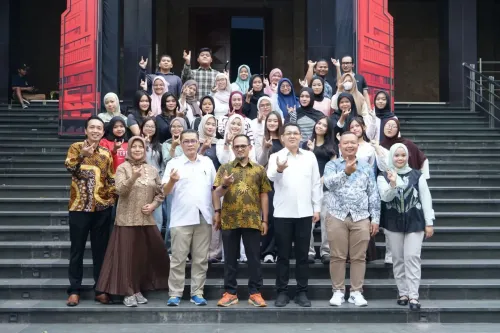
UNDIP representatives included Suherman, head of its Institute for Research and Community Service (LPPM), Handayani, supervising lecturers serving as team leaders, and expedition members. Suherman thanked the ministry for entrusting the university with the work and sought continued cooperation. He also acknowledged the support of central and regional governments, residents, team leaders and members in connecting university expertise with community needs.
Local products and cultural performances
Officials and other guests toured booths displaying the team's projects alongside Senggi products and handicrafts, speaking with residents and expedition members who had worked on them.
The cultural program featured a welcoming dance by the Sorob Tribe from Warlef Village and performances by children from SDN Soom SP 2 Senggi and SD Inpres SP 1 Senggi. The gathering closed with a traditional bakar batu ceremony and a shared meal bringing together residents, university participants and government representatives in recognition of Papuan culture.