Cooperation planned as agency builds capacity
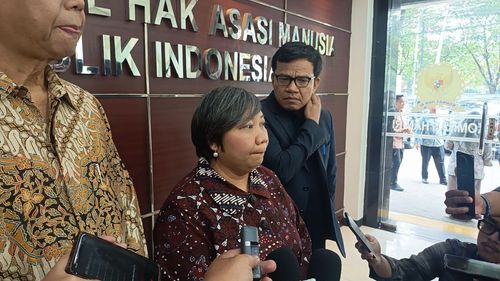
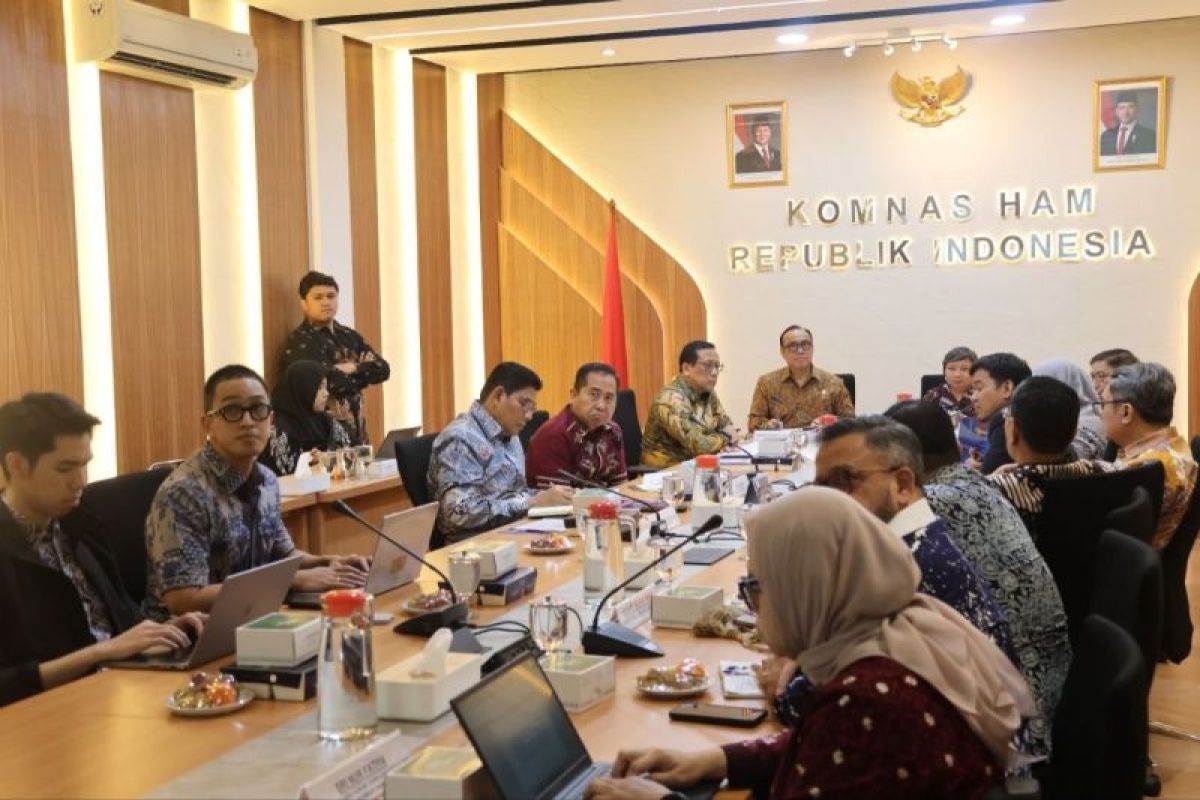
BRAN Head Dedi Prasetyo met Komnas HAM Chair Anis Hidayah at the commission's Jakarta office on October 23, 2026. They discussed a proposed memorandum of understanding as a starting point for coordinating dispute resolution, with legal certainty and rights protection among the goals.
"As a first step, we will focus on establishing an MoU to improve coordination and cooperation in handling these disputes," Prasetyo said.
The proposal does not mean BRAN is already able to take up individual disputes. Hidayah said its organizational structure and work procedures were not yet in place as of the meeting, preventing it from responding to cases individually, according to Kompas.id.
Komnas HAM briefed Prasetyo and provided data on conflicts nationwide, including disputes that have left communities seeking remedies and access to justice for years. Prasetyo called for institutions to align their data and map the problems comprehensively. He said assessments should draw on findings from the field, applicable law, the history of land ownership and tenure, and the social circumstances of those involved. In his view, that would allow institutions to tackle underlying causes without exceeding their mandates.
Complaint figures and a rights-based roadmap
Hidayah reported that Komnas HAM had received about 2,700 agrarian-conflict complaints in the preceding three years. They concerned a range of parties, including corporations, as well as disputes involving state assets.
A separate tally reported by Databoks (Katadata) covers 2020 through 2024, when the commission received 2,780 complaints. The annual total reached a high of 603 in 2022; it stood at 582 in 2023 before declining to 505 in 2024. West Java, North Sumatra, Jakarta, East Java and South Sumatra accounted for the most reports.
The commission also spent roughly two years preparing a roadmap that places human rights at the center of agrarian-conflict resolution, Hidayah said. Its recommendations address institutional reform, better governance, changes to regulations and measures to prevent disputes from recurring.
The Ministry of Agrarian and Spatial Planning/National Land Agency (ATR/BPN) formally received that roadmap on July 13, 2026, according to the Business & Human Rights Resource Centre. Since then, the government has characterized agrarian conflicts as a structural human rights violation affecting the rights to life, justice, security and a good and healthy environment.
"We will also seek institutional cooperation between Komnas HAM and BRAN in handling agrarian conflicts so that these efforts are grounded in a human rights-based approach," Hidayah said.
BRAN's mandate and coordination efforts
BRAN was established, and its head inaugurated, on October 1, 2026, under the Agrarian Reform Regulation Law, according to ANTARA. The law assigns it the task of overcoming legal deadlocks in agrarian disputes. Its powers include planning, preparing a roadmap, selecting priority locations for agrarian reform and verifying the land and parties involved in conflicts.
Reuters reported that parliament passed a provision into law on September 22, 2026, to address land conflicts nationwide. It established an agency reporting to the president, with responsibility for land planning, land monitoring and agrarian-conflict resolution.
Lawmaker Iman Sukri said the law also seeks a more equal distribution of land ownership through limits on the size of holdings. The government said it would develop the technical rules, including maximum and minimum ownership limits.
Prasetyo's meeting with Komnas HAM followed talks with other government bodies. On October 13, he met Housing and Settlement Minister Maruarar Sirait. The next day, BRAN and ATR/BPN discussed how to divide their agrarian reform duties. He then met the Coordinating Ministry for Community Empowerment on October 15.
Legal aid group raises concerns over leadership
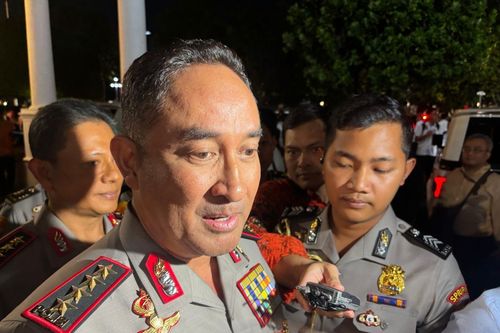
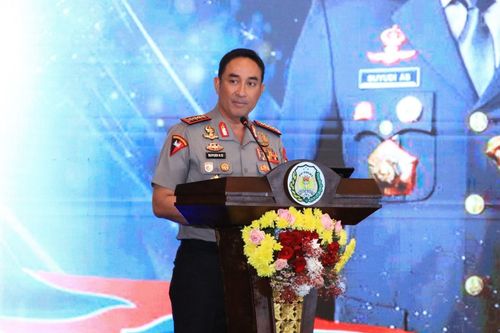
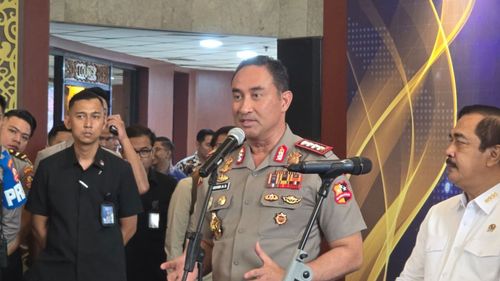
Prasetyo, a police general who previously served as deputy chief of the Indonesian National Police, has faced criticism from the Indonesian Legal Aid Foundation (YLBHI). Its chairman, Muhamad Isnur, questioned the lack of an open selection and assessment process for the BRAN leadership post.
YLBHI said it handled 94 agrarian-conflict cases during 2025. Isnur also cited Komnas HAM figures showing at least 160 complaints concerning police actions in the handling of agrarian conflicts over the preceding four years. He warned that Prasetyo's law-enforcement background could reinforce a security-oriented approach to resolving these disputes.