
Indonesia steps up corporate probes over forest and land fires
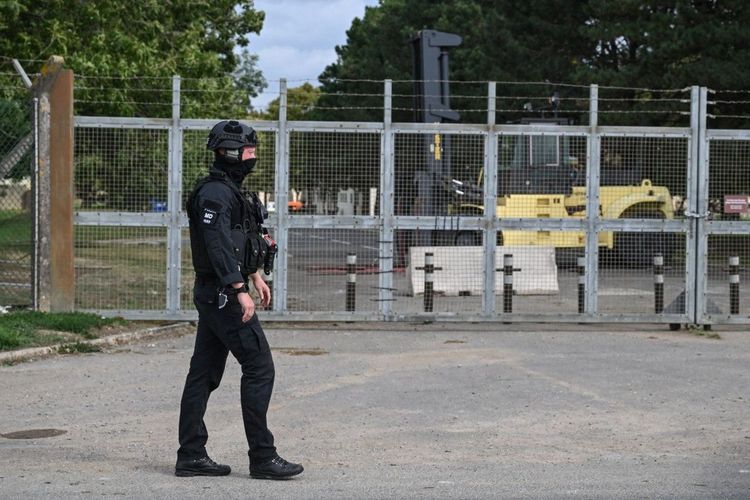
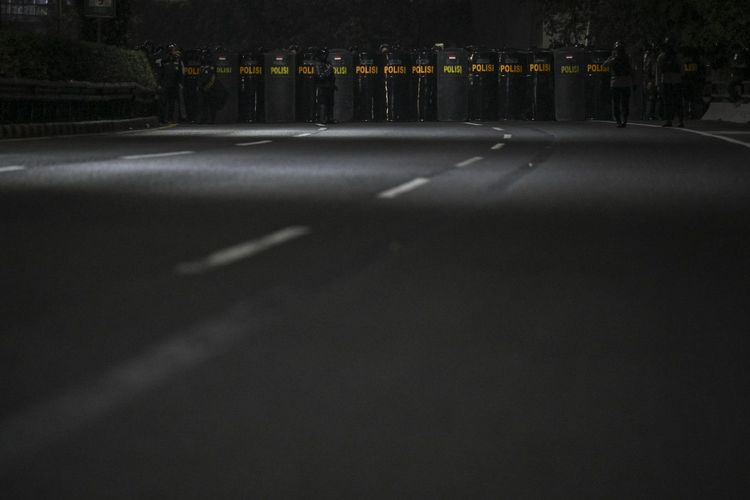
Indonesian law enforcement authorities have significantly intensified their investigations into forest and land fires, with 92 of 97 fire-related reports now advanced to formal investigation stages, National Police Chief General Suyudi Ario Seto announced Thursday in Jakarta.
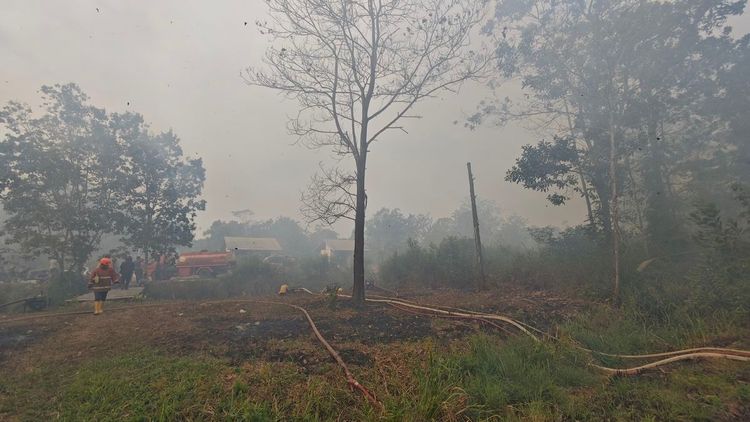
The investigations increasingly target companies operating in affected regions, reflecting the scale of a crisis that has burned 202,000 hectares of forests and land by mid-August 2026—a 110 percent increase compared with the same period in 2023 when El Niño previously impacted the country.
"We are examining companies as part of ongoing investigations. Once a decision is made, the National Police's criminal investigation chief will disclose the results," Suyudi told reporters. The corporate focus reflects evidence that 74 percent of hotspots in Kalimantan are located within corporate concession areas, including oil palm plantations, mining sites, and Forest Utilization Business Permits, according to environmental organization Walhi.
Health and economic toll mounts
The fires have exposed more than 12.5 million people across seven provinces to hazardous haze, with respiratory infections linked to fires reaching 113,336 cases as of early September. The economic impact has been equally severe, with costs estimated between Rp39.29 trillion and Rp123.1 trillion (up to $6.9 billion) for the January-August period alone—equivalent to nearly half of Central Kalimantan's projected regional GDP.
Human activities involving open fires in peatland, primarily land clearing for agricultural or mining purposes, are suspected to be the main driver of the wildfires, with conditions worsened by the dry season caused by the developing 2026-2027 El Niño event.
Expanded enforcement actions
Beyond police investigations, Indonesia's Forestry Minister has suspended operational permits for 26 companies in connection with the fires, while Environment Ministry data shows 12 companies had been sealed as of mid-September, covering 3,004 hectares. Penalties include mandatory environmental restoration and potential criminal prosecution, with charges carrying possible prison sentences of up to 15 years for responsible individuals.
In addition to law enforcement efforts, police are strengthening operational support to help extinguish fires across multiple regions. Suyudi said authorities are deploying available resources, including specialized equipment capable of reaching fires in difficult terrain.
"We are strengthening regional operations and using various methods, including X-Fire systems, trail bikes, and all-terrain vehicles, to reach fires in hard-to-access areas," he said.
Regional diplomatic pressure
The crisis has generated significant diplomatic pressure from neighboring countries, with transboundary haze affecting Malaysia and Singapore. Malaysia closed schools for approximately 2 million students on October 9, while Singapore's Pollutant Standards Index reached 192, its highest level in 2026.
National Police Chief Suyudi and Attorney General Sanitiar Burhanuddin discussed handling of various forest and land fire cases at a meeting in Jakarta on Wednesday. Anang Supriatna, head of the Attorney General's Office Legal Information Center, said the agencies emphasized coordination from investigation through prosecution to secure court rulings that have meaningful public impact.
Five-point strategy for South Sumatra
Coordinating Minister for Political and Security Affairs Dudung Abdurachman has outlined five priorities for tackling fires in South Sumatra: accelerating firefighting, strengthening joint operations, preventing fires, overseeing companies, and enforcing the law.
The focus on peatlands is particularly urgent, as Indonesia holds roughly 36 percent of the world's tropical peatlands. When dried by drought, these areas allow fires to smolder underground through deep organic deposits, producing about three times more fine particulate pollution than surface fires. Peatland protection group Pantau Gambut estimates that 16 million of Indonesia's 24 million hectares of peatland have been made more fire-prone due to ecosystem damage, including deforestation and water table depletion.
"These five priorities are strategic measures to strengthen cross-sector coordination, especially in peatlands and hard-to-reach areas," Dudung said after a coordination meeting in Palembang on October 14. He emphasized that law enforcement would be carried out professionally, objectively, and based on evidence, without discrimination against any party found to have violated the law.