A call for open trade
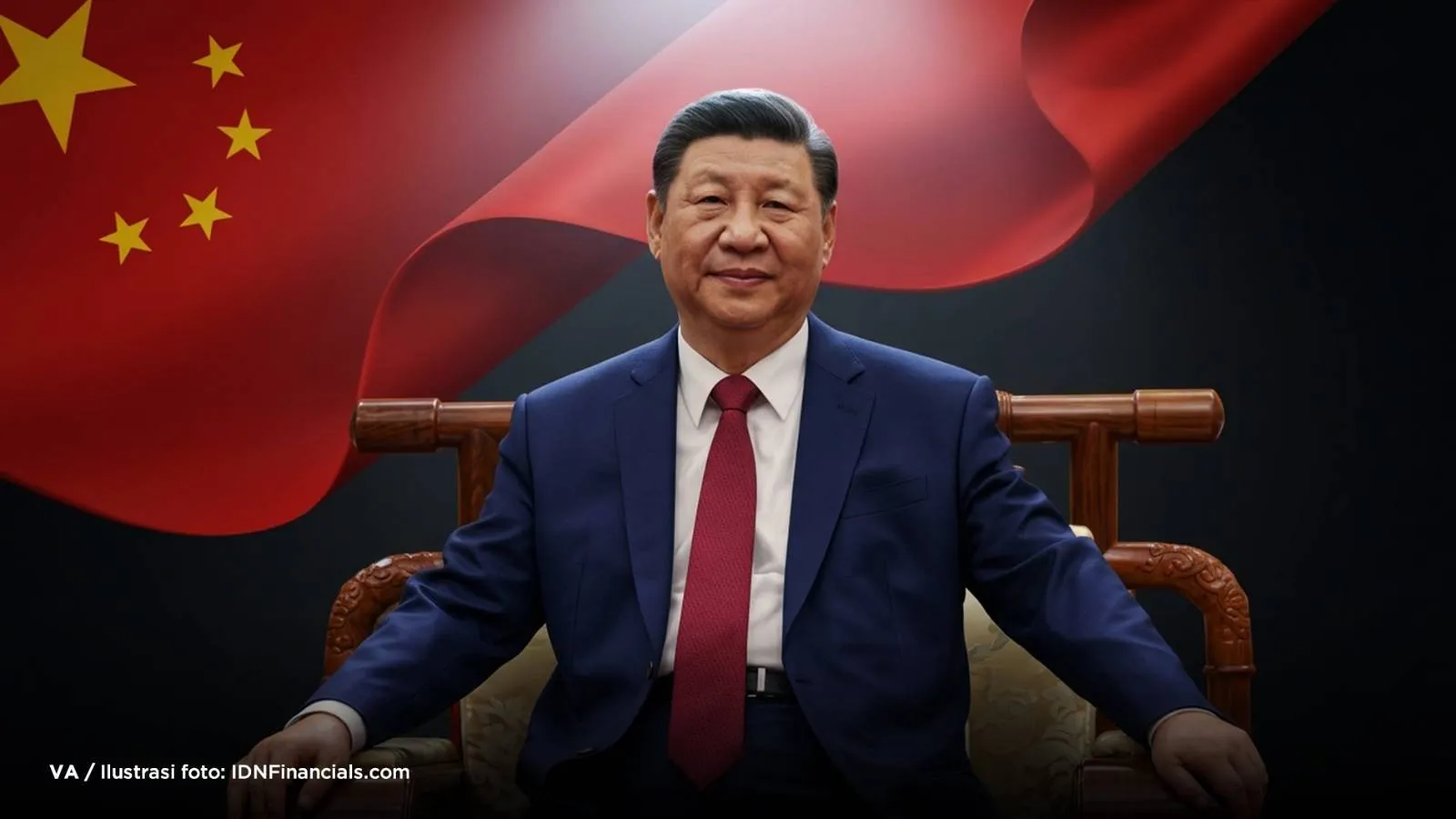
Addressing business executives and national leaders at the summit's opening, Xi rejected protectionism and unilateral trade measures, Reuters reported. He placed the World Trade Organization at the center of his appeal for multilateral cooperation.
"We must firmly uphold the rules-based multilateral trading system with the World Trade Organization (WTO) at its core, and support free and open trade and investment," Xi said.
The speech, titled "Forging Ahead with Resolve Toward a Bright Future for the Asia-Pacific," outlined four priorities: preserving peace and stability, strengthening openness and cooperation, using innovation to support growth, and broadening mutual benefits. Xi also endorsed establishing a World Association for Bay Areas Economic Cooperation.
Xinhua reported that the two-day CEO summit at Shenzhen's Qianhai International Convention Center brought together more than 2,000 representatives. Participants came from all 21 APEC economies and 13 economies outside the group, including Britain, France, Germany and Switzerland. The event's theme was "To Prosper and Win the Future Together." China is hosting APEC for a third time, following 2001 and 2014.
Chip controls put the tariff truce under pressure
Washington's latest restrictions target China's access to advanced artificial intelligence chips, including Nvidia products. Bloomberg News reported that US Commerce Department rules issued on Monday, November 16, seek to block Chinese companies from renting Nvidia semiconductors outside the United States or acquiring processors through Singapore and several other countries.
Beijing responded the next day. China's Ministry of Commerce expressed "strong dissatisfaction and firm opposition," called for consultations and warned that continued US action would prompt countermeasures to protect China's sovereignty, security and development interests.
Nvidia's interim CEO, Colette Kress, said the company would stop selling H200 chips in China, closing a mechanism through which advanced chips had continued to reach the country despite US restrictions. Investment bank Jefferies estimated that the new controls could reduce Nvidia's data-center revenue next year by $44 billion to $62 billion.
The dispute adds pressure to a temporary trade truce that reduced US-China tariffs in 2025. Bloomberg News reported on November 17, 2026, that the agreement was scheduled to expire in January.
Market-opening promises alongside industrial investment
Beijing is seeking to present China as a dependable trading partner while President Donald Trump's administration imposes tariffs and trade restrictions. Alongside his market-opening pledge, Xi said China would keep investing in industry and emerging technologies, signaling that it intends to continue expanding industrial capacity despite pressure from Western trading partners.
Western criticism has focused in part on China's annual trade surplus of more than $1 trillion. Critics say government support for manufacturing has deepened China's dependence on exports and weakened competing industries abroad.
China defends its economic model as part of its effort to catch up with developed economies. The United States and European Union, however, view China's dominance of global supply chains as a potential source of geopolitical influence and a threat to their industries and jobs.
George Chen, a partner who chairs The Asia Group's digital practice, said countries in the Global South could respond favorably to Xi's remarks. In Chen's view, the speech also advanced Beijing's effort to distinguish its approach to technology development from Washington's.
Trade and security on the diplomatic agenda
Xi, Trump and Russian President Vladimir Putin are expected to discuss trade tensions at a trilateral meeting on Thursday, November 19, on the sidelines of the APEC summit. Other anticipated topics include the Russia-Ukraine war, the US conflict with Iran, AI developments and nuclear weapons.
Before arriving in China, Trump visited Manila in the Philippines. There, on Tuesday, November 17, Quad leaders met for their first summit in two years. Trump promoted critical-minerals deals intended to reduce the countries' dependence on "any single foreign supplier," an apparent reference to China.
Xi met Trump at Shenzhen airport after his arrival. It was the first time since becoming president that Xi had personally welcomed a foreign leader.
Putin also used the summit occasion to challenge Western sanctions against Russia, arguing that such measures had not stopped economic growth in the countries they targeted.
"Experience shows that traditional instruments of economic dominance and coercion have, to a large extent, lost their influence and no longer have the deterrent effect they once had," Putin said. "Although sanctions, tariffs and export restrictions may still have some restraining effects, these policies cannot stop growth, let alone destroy the economies of competitors."