Indonesia wildfire pollution drives sharp rise in respiratory illnesses
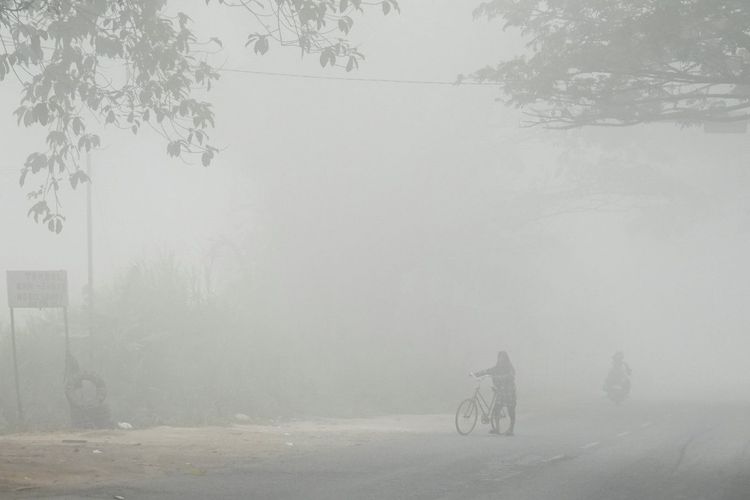
Respiratory infections caused by hazardous wildfire pollution in Indonesia have more than doubled in just over a week, according to data from the country's health ministry released on Thursday.
The number of people suffering from wildfire-related respiratory illnesses rose to 113,336 as of September 9, up from 50,891 on September 1, health ministry spokesperson Widyawati said during a press conference.
Fires rage across peatlands in Sumatra and Kalimantan
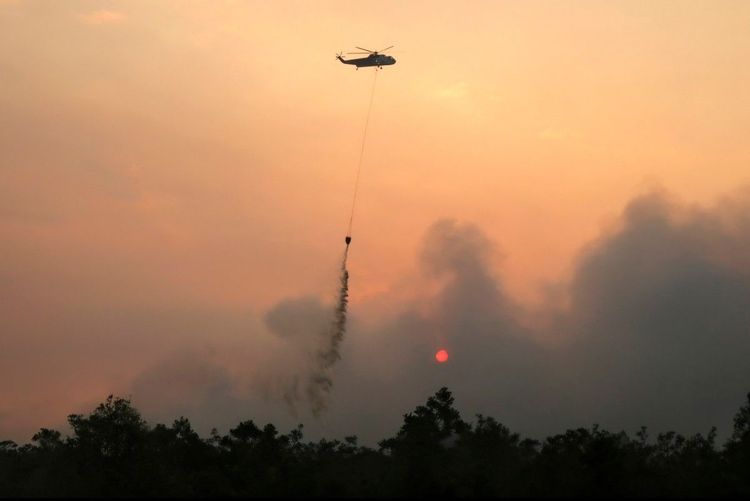
Fires have been blazing across vast stretches of forest and peatland throughout the country, causing hazardous emissions to surge. The hardest-hit provinces are on the islands of Sumatra and Kalimantan, home to approximately 14.9 million hectares of peatland—about 36 percent of the world's tropical peatland area.
Peatland fires are particularly hazardous because they can burn underground for weeks or months, releasing up to 10 times more carbon emissions per unit area than forest fires. This year's wildfire season is the most intense in 11 years as super El Niño weather conditions—characterized by sea surface temperatures at least 2°C above average in the eastern Pacific—drive up temperatures and cause punishing droughts across the region.
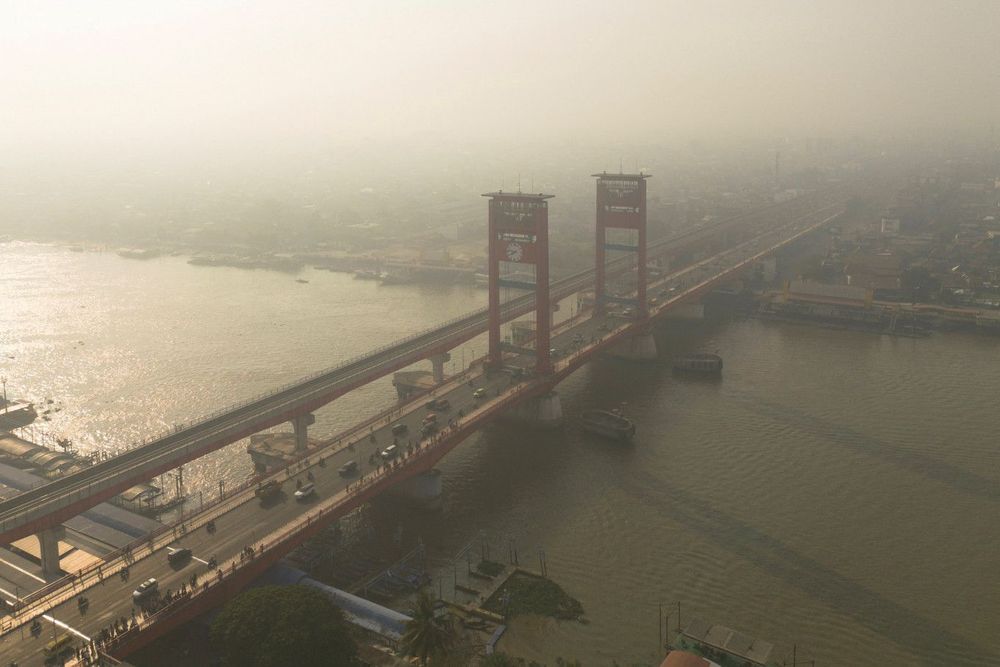
Fire emissions from the country now account for a third of the global total. More than 12.5 million people have been exposed to haze caused by fires across seven provinces, Widyawati said.
Health response to pollution crisis
The health ministry has deployed hundreds of oxygen concentrator units and distributed nearly a million masks to help residents cope with the pollution. Thousands of medical workers have been sent to affected areas.
Fine particulate matter from wildfire smoke penetrates deep into lungs and the bloodstream, posing particularly serious risks to children under 5, pregnant women, and elderly populations. Air quality levels in affected Indonesian cities during severe haze events can exceed 500 on the Air Quality Index, a level classified as hazardous where outdoor activity is dangerous for all populations.
Recurring crisis and regional impact
Indonesia has experienced recurring wildfire crises during El Niño events, with major episodes in 1997-1998 and 2015 causing significant regional haze pollution across Southeast Asia. The 2015 crisis caused an estimated 100,000 premature deaths across the region and economic losses exceeding $16 billion.
Despite the ASEAN Agreement on Transboundary Haze Pollution, which entered into force in 2003 to establish regional cooperation mechanisms for fire and haze management, enforcement challenges persist. Indonesia imposed a moratorium on new peatland development licenses in 2011, later extended and strengthened in 2019 with permanent peatland restoration requirements, though implementation gaps remain.
"The process of deploying additional medical personnel and various supplies is ongoing. We will continue to monitor which areas require more healthcare workers and dispatch them there."