Additional funding arrives in two installments
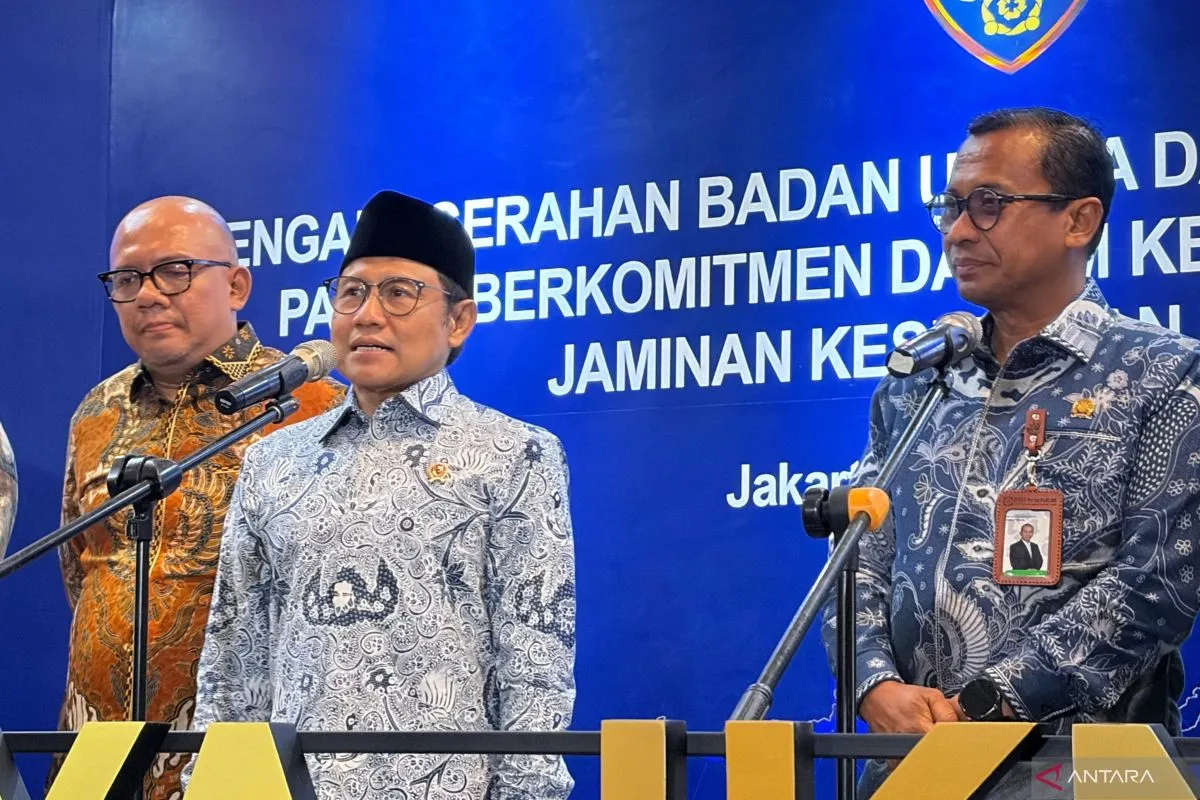
Muhaimin said Prabowo wants BPJS Kesehatan, which administers JKN, to operate professionally and reliably, with the resilience needed to make health care accessible to all Indonesians. The minister cited the extra allocation, worth about US$1.10 billion, as evidence of that commitment.
BPJS Kesehatan President Director Prihati Pujowaskito said Rp10 trillion, or about US$551 million, had been disbursed in October. The remaining half was due in November.
The injection is separate from roughly Rp47 trillion in the 2026 state budget to cover premiums for 96.8 million contribution-aid recipients, known as PBI participants, according to Finance Minister Suahasil Nazara. Speaking on October 9, he said the additional funding was included in the 2026 budget and governed by Finance Ministerial Regulation (PMK) No. 73 of 2026. He put total budget support for BPJS Kesehatan, including PBI funding, at about Rp67-68 trillion.
Officials say JKN remains in operation
Asked Friday about claims that JKN would be abolished, Pujowaskito responded: "Who said it would be abolished?"
BPJS Kesehatan Public Relations Head Rizzky Anugerah also rejected the social media claims. "JKN is a state program mandated by law," he said. He said the program continued to operate and the agency was working to improve services.
Anugerah identified two laws underpinning the system: Law No. 24 of 2011 on Social Security Administering Bodies, which established BPJS Kesehatan as a public legal entity, and Law No. 40 of 2004, which governs the national health insurance system. He described the agency's role as providing social protection, including access to essential health care.
Kompas.id reported that the rumor specifically alleged JKN would be repurposed for Merah Putih Cooperative (Koperasi Desa Merah Putih) clinics. National Social Security Council (DJSN) member Mahesa Paranadipa Maykel said there had been no discussion of eliminating JKN. BPJS Watch advocacy coordinator Timboel Siregar said abolishing BPJS Kesehatan would require revoking its constitutional basis.
Deficits and unpaid premiums
Financial figures reported by Jakarta Globe on September 30 showed that healthcare benefit payments exceeded premium collections during January through September 2026. BPJS Kesehatan received about Rp118 trillion in contributions and paid about Rp132 trillion in benefits, leaving a cash-flow deficit of roughly Rp14 trillion.
An October 16, 2026, opinion piece in The Jakarta Post described earlier shortfalls: an audited deficit of approximately Rp10.93 trillion for 2024 and an unaudited deficit of Rp14.49 trillion for 2025. The piece put 2024 premium income at Rp165.3 trillion and program spending at Rp175.1 trillion. It also reported that the claims ratio had reached 111.8 percent by February 2026, while premiums had not been adjusted since 2020.
Indonesia launched JKN in 2014 to pursue universal health coverage through social insurance. Suahasil has described BPJS Kesehatan as one of the world's largest social health insurance programs. Government data cited by Jakarta Globe recorded 284.5 million registered JKN participants in September 2026, but about 52 million were classified as inactive because they were not paying premiums. The active participation rate was 80.6 percent.
The quota for people receiving contribution assistance is expected to rise gradually to 113.5 million under Presidential Regulation No. 36 of 2023, Siregar told Kompas.id.