Police describe a protective role
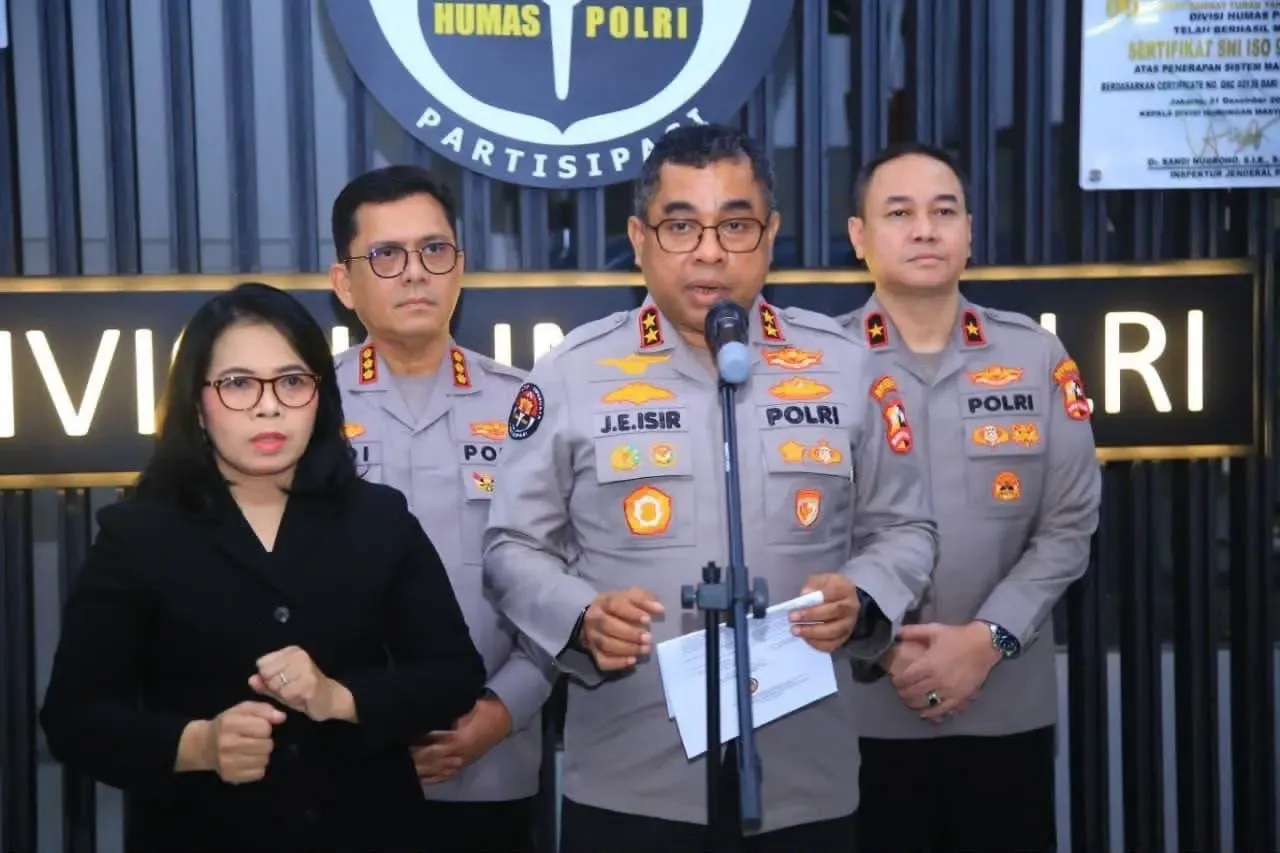
Inspector General Johnny Edison Isir, head of the Indonesian National Police (INP) Public Relations Division, said public expression is constitutionally and legally protected. He described it as essential to democratic life, while urging participants to respect others' rights and the interests of the wider community.
"We respect this right and are committed to providing services so that the public can express their aspirations safely and orderly," Isir said.
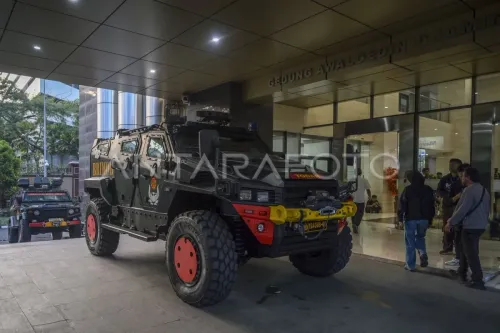
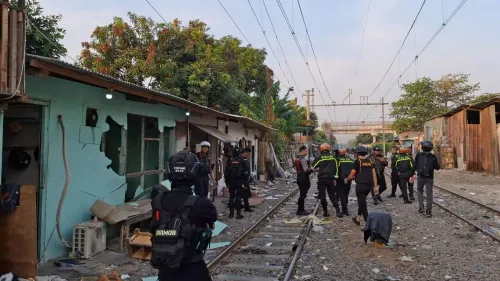
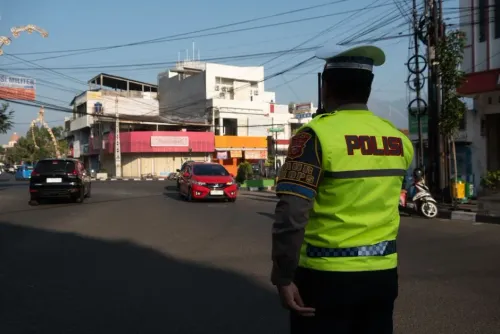
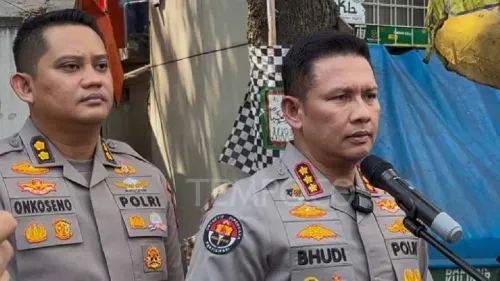
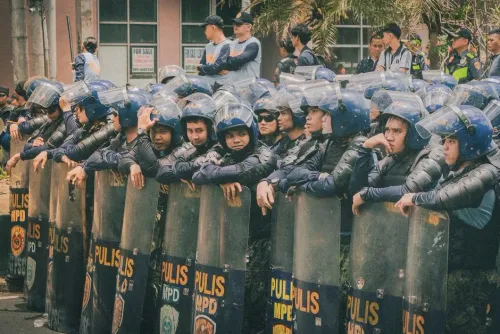
Isir said officers at demonstrations are there to protect both protesters and other members of the public and help activities proceed in an orderly manner. The INP described its approach as humanistic, emphasizing communication, coordination with organizers, traffic management and preventive measures against possible security disturbances, while respecting protest rights and allowing other public activities to continue.
"The police are present not to prevent the public from expressing their opinions, but rather to provide services and ensure that these rights can be exercised properly," he said.
Isir urged protesters, officers and the broader public to communicate and cooperate. Maintaining order requires participation beyond the police, he said, adding that mutual respect, compliance with the law and avoiding provocative actions can help prevent misunderstandings and disruptions.
National Police Chief General Suyudi Ario Seto also said on October 28 that officers would continue to favor a humanistic approach and preventive measures when serving people expressing opinions in public. He urged participants not to engage in anarchic conduct, Kompas.id reported.
Jakarta's demonstrations and student demands
Metro Jaya Police reported that the 53 demonstrations and 77 community activities were scheduled to take place simultaneously across Jakarta on October 28. About 1,000 traffic officers were deployed to manage traffic, according to Kompas.id. Police identified the DPR/MPR RI building, the Hotel Indonesia Roundabout, Silang Selatan Monas and Tugu Tani as locations requiring attention.
The University of Indonesia Student Executive Board (BEM UI) led a rally under the hashtag #IndonesiaSadar, scheduled for 2 p.m. WIB at the Hotel Indonesia Roundabout.
Organizers set out five demands: national disaster status for forest and land fires; a shift in state budget priorities away from programs such as Free Nutritious Meals (MBG) and the Red and White Village/Neighborhood Cooperative (KDKMP); lower education costs; eradication of corruption, collusion and nepotism; and protection of freedom of expression and civil liberties.
The protests fell on the 98th anniversary of Indonesia's Youth Pledge and took place amid continuing demonstrations marking the second anniversary of President Prabowo Subianto's administration, Tempo.co reported.
Legal protections and the roundabout ban
The INP cited Law Number 9 of 1998 on Freedom of Expression in Public as the framework for exercising protest rights freely and responsibly. Article 5 establishes citizens' rights, while Article 6 sets out responsibilities, including respecting others' rights and freedoms, maintaining public order and following applicable laws and regulations, according to Kompas.id.
Amnesty International Indonesia Executive Director Usman Hamid called on the government to remove the ban on peaceful demonstrations at the Hotel Indonesia Roundabout. He argued that the restriction lacked legal justification, necessity, proportionality and accountability, and said police should provide a safe space for peaceful assembly rather than impose bans.
Separately, Presidential Communications Agency (Bakom) head Syahganda Nainggolan said on October 28 that the government remained open to public input and regarded demonstrations as an important part of democratic life, Tempo.co reported. He urged protesters to remain peaceful and security personnel to use persuasion and a humane approach.