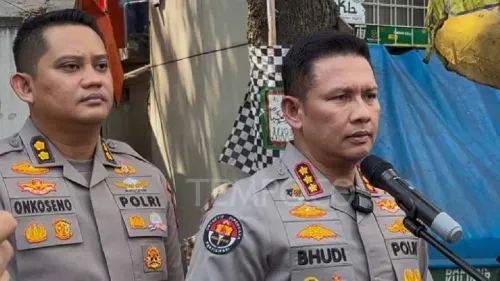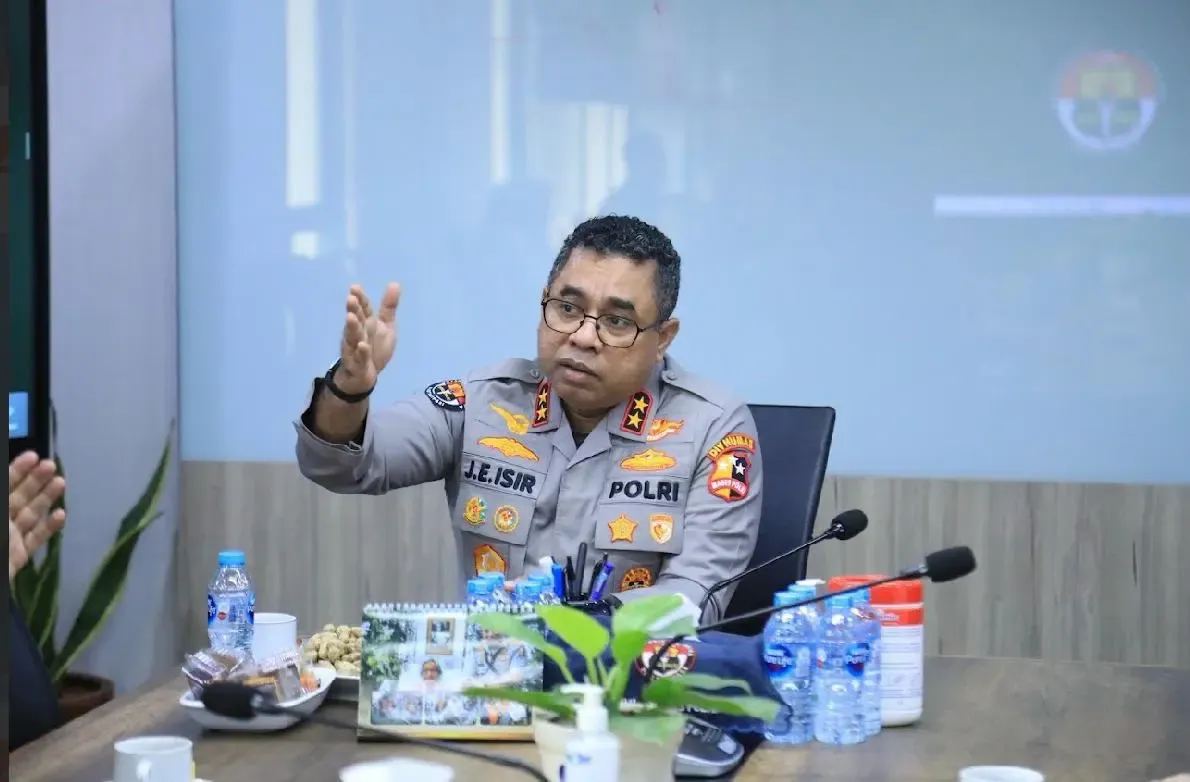
Police outline their approach
Inspector General Johnny Edison Isir, head of the Indonesian National Police's Public Relations Division, said officers were committed to protecting public expression through humane, professional and proportionate policing. He emphasized both protesters' safety and the rights of people going about their daily activities.
"We respect the right of every citizen to express their opinions in public," Isir said Wednesday.
Isir described three stages of policing: preemptive measures, prevention and law enforcement, with their use depending on conditions on the ground. The preemptive work includes detecting potential disturbances, issuing early warnings and communicating with community groups about risks in physical and digital spaces. Police are also strengthening public education and outreach to encourage responsible expression and counter misinformation that could provoke unrest.
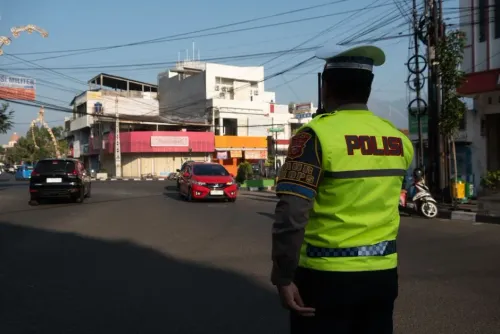
For prevention, Isir said officers would protect and assist protesters and the wider public. Their duties include directing traffic, conducting patrols, providing security and maintaining contact with protest coordinators. He urged all sides to communicate, respect one another and cooperate in keeping demonstrations peaceful.
Deployments, barricades and a dispute over access
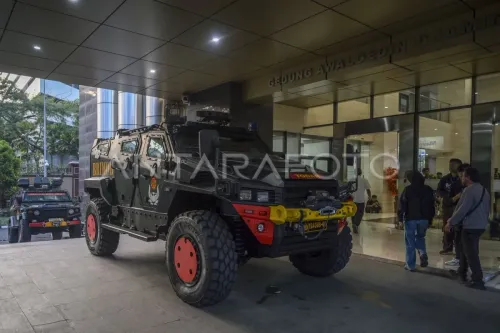
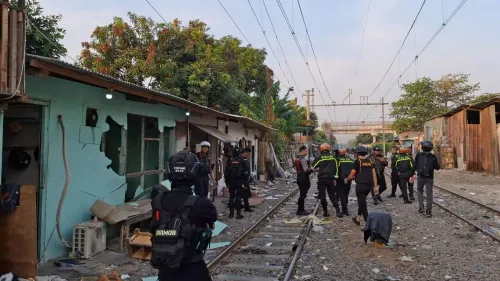
Jakarta Metro Police recorded 77 community activities in the capital for October 28, including 53 scheduled public-expression events, according to its public relations chief, Kombes Pol Budi Hermanto. Separately, police told AFP that about 14,000 officers had been deployed alongside soldiers to control the Jakarta demonstrations.
The Jakarta rally remained largely peaceful, although occasional scuffles occurred as police blocked protesters from reaching the Bundaran HI roundabout, The Straits Times reported. Tempo English described officers erecting barricades across the protesters' route. Some demonstrators reached the roundabout by splitting into separate groups.
Amnesty International Indonesia urged police to lift the ban on demonstrations at Bundaran HI. Executive Director Usman Hamid said the restriction "lacks legal justification, necessity, proportionality, and accountability." He also defended the #IndonesiaSadar slogan and three-finger salute as legitimate forms of expression.
Isir said police operations were governed by Law Number 9 of 1998 concerning Freedom of Expression in Public. The law protects citizens' ability to voice opinions and receive legal protection, while requiring them to obey regulations, respect others' rights and preserve public order and security. It also requires government officials to protect human rights, uphold legality and the presumption of innocence, and provide security. Isir said police must carry out their duties within those legal and human rights obligations.
Youth Pledge Day protests and five demands
The Jakarta demonstrations were organized by a loose coalition of university student bodies and civil society groups under the #IndonesiaSadar (#IndonesiaAwake) movement. The coalition included the Committee to Save the People's Sovereignty, or Komite Sadar, according to The Straits Times and Tempo English. Organizers deliberately chose October 28 to coincide with Indonesia's Youth Pledge Day.
The protesters' five main demands covered environmental policy, spending, public services, governance and civil rights. On the environment, they sought a national disaster declaration for forest and land fires, corporate accountability and integrated land governance. They also demanded an end to spending they considered wasteful on populist programs, including Free Nutritious Meals (MBG) and Red and White Village Cooperatives (KDMP).
The remaining demands called for lower education costs and equitable basic services; an end to the use of law to abuse power, along with action against corruption, collusion and nepotism; and restored freedom of expression, trials for human rights violators and an end to the militarization of civil space.
Smaller protests also took place that day in Bandung, Malang and Yogyakarta on Java, Makassar in South Sulawesi, and Padang in West Sumatra, according to AFP and The Straits Times.
Forest fires and the government's response
Forest and land fires, along with the resulting haze, helped drive the protests. Deforestation monitor Nusantara Atlas said the fires had destroyed more than 1.9 million hectares during the nine months through September 2026, AFP reported.
Presidential Communications Agency head Syahganda Nainggolan said on October 28 that the government respected the demonstrations as part of nurturing democracy. He said authorities had deployed more than 70,000 firefighting personnel and were investigating corporations and individuals suspected of starting the forest fires.