School repairs and temporary classrooms
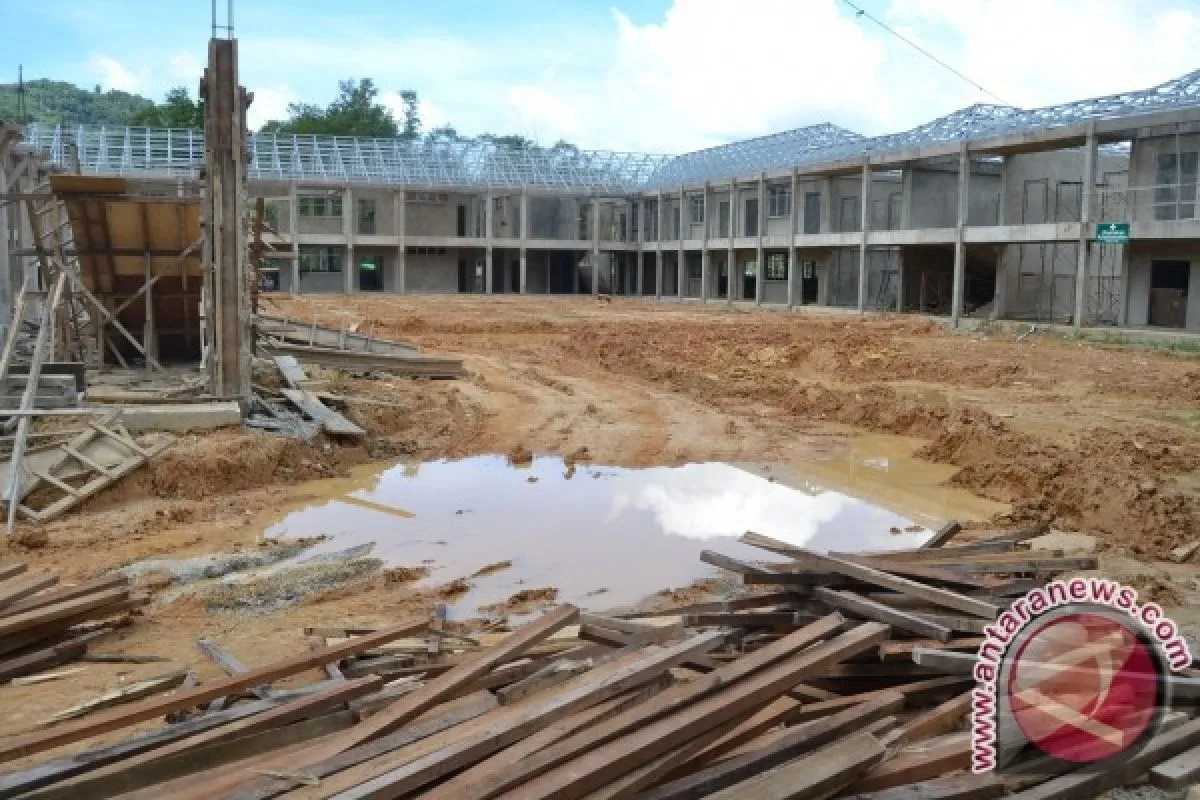
Workers at SMPN 2 Rao Utara were putting lightweight steel roof frames in place when the delegation visited. The team called for faster progress on roofing and classroom finishing so students could return to their school soon.
The Education Ministry's school revitalization program is funding the rehabilitation with Rp1.57 billion, about $86,000, from the 2026 state budget. The work includes six classrooms, furniture, science and computer laboratories, student toilets, and the school grounds. Construction is being handled by the school's development committee, with the Pasaman District Prosecutor's Office providing legal assistance to support oversight and accountability.
Until the work is finished, students are using spare classrooms at the neighboring elementary school without disrupting lessons for its own pupils. Marine Corps Col. Daniel Setiawan, who led the inspection team, encouraged the displaced students to keep learning despite the disruption, pursue university studies, and eventually contribute to their home region. Principal Bermawi Nasution expressed hope that construction would go smoothly.
The delegation also checked Koto Rajo health center, where repainting had been completed.
A restored bridge faces an erosion threat
At Muara Sitobu in Rao Utara, the Air Sopan Bridge rehabilitation was 100 percent complete, according to the Pasaman government. The project used 2026 regional transfer funds, although the task force reported that related work around the bridge remained unfinished.
The bridge serves the route from Rao to Padang Lawas District in neighboring North Sumatra. It connects communities in Rao and Rao Utara with Padang Lawas and supports the movement of agricultural produce toward the provincial border.
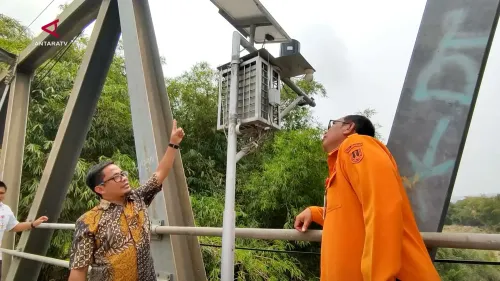
Inspectors found that recent flooding had pushed the river channel toward the road, leaving the restored route potentially vulnerable to erosion. They recommended river normalization to redirect the water toward its main channel and protect road access.
Elsewhere, crews were laying asphalt on the Ladang Panjang-Parit Batu road in Tigo Nagari Subdistrict. The Pasaman Public Works Agency manages the Rp4.8 billion project, worth about $264,000, under the district's 2026 reconstruction program. The delegation discussed preparation of the road shoulders, asphalt quality, and the completion target with the contractor.
Pasaman Deputy District Head H. Parulian said access restored as far as the North Sumatra border had made travel easier and helped agricultural distribution resume. In a statement issued by the Pasaman communications office, he also credited the central team's on-site presence with helping accelerate local recovery.
The disaster behind the rebuilding
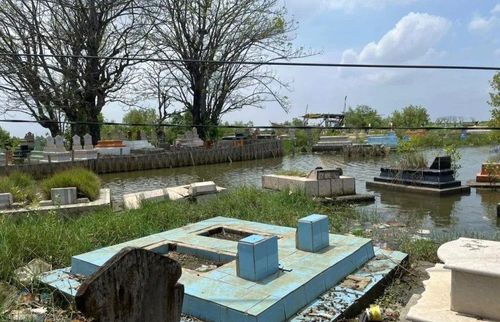
Pasaman's reconstruction follows the floods and landslides that hit Aceh, North Sumatra, and West Sumatra in late November 2025. Extreme rainfall associated with Tropical Cyclone Senyar triggered the disaster.
National Disaster Mitigation Agency (BNPB) figures as of January 27, 2026, recorded at least 1,204 deaths and 140 people missing. More than 8,000 people were injured. The disaster directly affected over 3.3 million people and displaced up to 1 million across 50 districts and cities in the three provinces.
It was Indonesia's deadliest natural disaster since the 2018 Sulawesi earthquake and tsunami, which killed 4,340 people. The Center of Economic and Law Studies, or Celios, estimated losses from the Sumatra disaster at Rp68.67 trillion, including damaged homes, lost household income, road and bridge damage, and agricultural production losses.
National funding and recovery progress
The Pasaman inspection forms part of the work of the Satgas Percepatan Rehabilitasi dan Rekonstruksi (PRR) Pascabencana, a central task force established through Presidential Decree No. 1 of 2026. Home Affairs Minister Tito Karnavian chairs it, Richard Tampubolon serves as deputy chair, and its steering board is led by the Coordinating Minister for Human Development and Culture.
According to Kompas.com, the government allocated about Rp39 trillion for rehabilitation and reconstruction across the three provinces in 2026. About Rp29 trillion was approved for 29 ministries and agencies. Limited implementation time meant about Rp9 trillion could not be used within the year; that amount is proposed for transfer to the 2027 budget.
The broader recovery master plan prepared by the national planning ministry, Bappenas, spans 2026-2028. It estimates total needs at about Rp100.1 trillion, with roughly Rp39 trillion for 2026, Rp33 trillion for 2027, and Rp29 trillion for 2028.
Separately, the task force reported that distribution of housing-contents aid and economic stimulus to affected residents across the three provinces had reached about 96-98 percent as of October 26, 2026.
Completion targets and follow-up
Setiawan's team included BNPB's Gunawan Setiadi and expert Muhammad Teguh Ariffaiz Nasution, according to a report received by ANTARA on Tuesday evening. Parulian accompanied them alongside Pasaman officials responsible for public works, education, health, and disaster management.
Setiawan said the inspection was intended to check whether rehabilitation and reconstruction projects were meeting deadlines and quality requirements and serving their intended beneficiaries. He said cooperation between national and regional authorities should produce resilient infrastructure that supports residents' safety and welfare and their ability to withstand future disasters.
With about two months left in the 2026 fiscal year, the team asked the district government and relevant ministries to finish remaining work on time without sacrificing construction quality. It identified road surfaces, school roofs, and riverbanks as priorities ahead of the rainy season, when flooding and erosion could damage repaired infrastructure and delay recovery.
The inspection findings will go to the task force chief for follow-up, the report said.