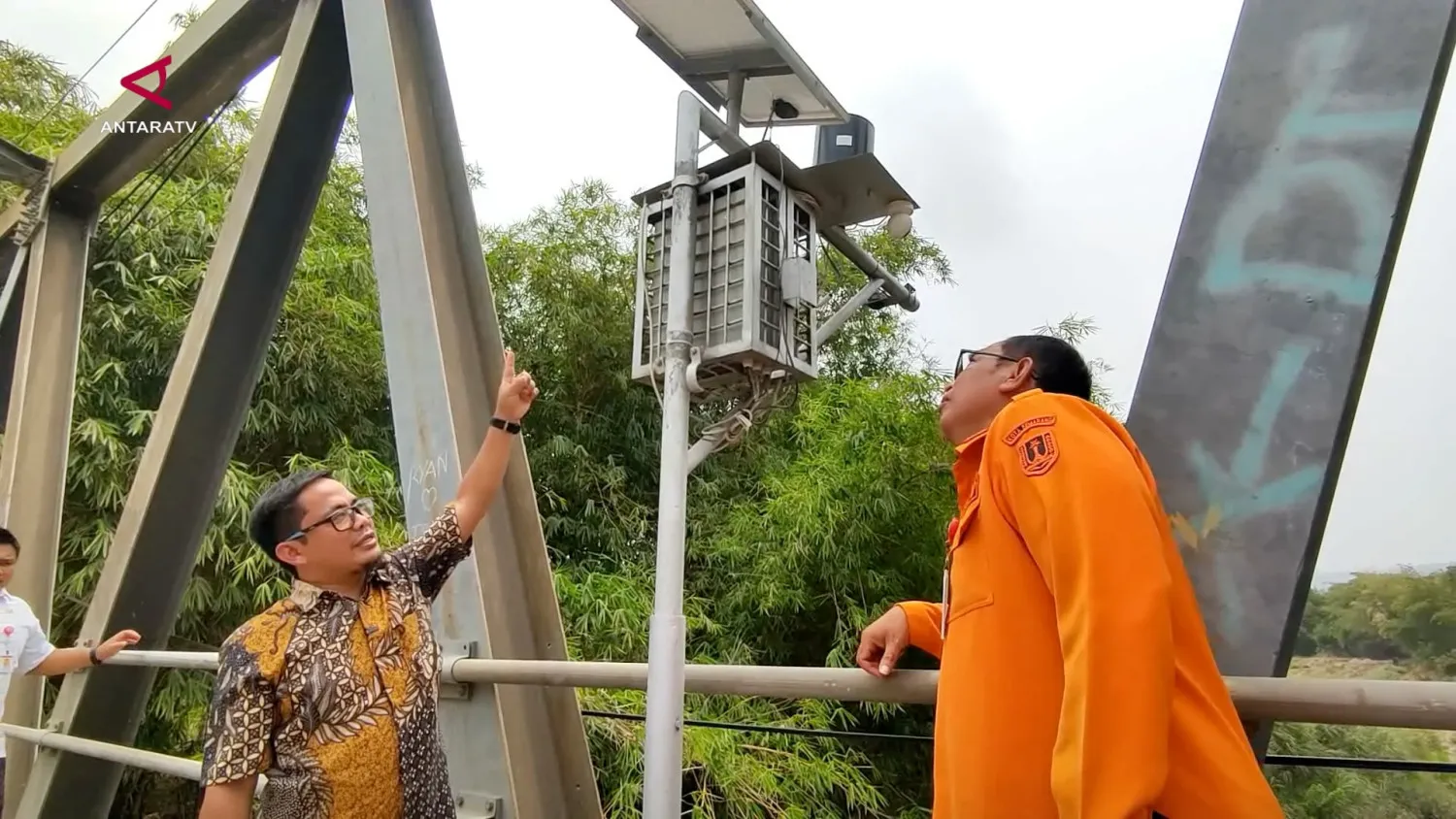
Six new devices for eastern Semarang
Semarang's city government received six flood early-warning devices through the cooperation program, adding to 18 already installed elsewhere in the city. The new units cover the Babon River watershed in eastern Semarang, with monitoring focused on the river and its tributaries in Meteseh and Rowosari villages in Tembalang District.
The initial Flood Eye deployment covers six locations along the Babon River, from Sikatak to Penggaron. During heavy rainfall, water arriving from upstream frequently exceeds the river's capacity, causing it to overflow.
Forecasting floods under tight time constraints
The system draws on radar measurements of river levels, local rainfall readings from rain gauges and camera images of river conditions. It combines those observations with flow-speed and discharge data to estimate how far flooding could spread and how high the water could rise near the river.
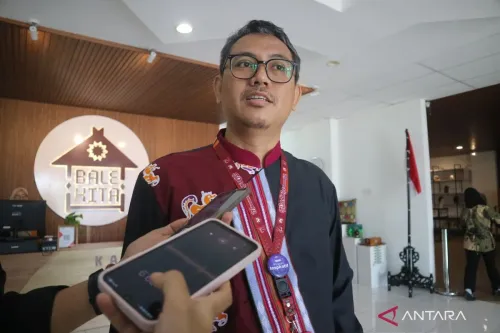
Telkom University senior researcher Miftadi Sudjai said Flood Eye is intended to do more than issue early warnings: it uses AI to predict flooding several hours in advance. But the team has not always achieved its initial goal of detecting a threat and triggering warnings two to three hours before a flood.
Semarang's steep southern terrain limits the available warning time. According to Sudjai's account of discussions with the city's disaster management agency, BPBD Kota Semarang, floodwater from the south can reach lower-lying areas in about 35 minutes under certain conditions.
BPBD will use the system's data to send residents warnings about potential flooding through WhatsApp.
Adding to the city's warning and reporting systems
Flood Eye will work alongside Semarang's existing flood preparedness and response tools, according to Didik Dwi Hartono, head of the city's Communication and Information Office, known as Diskominfo.
Those tools include Pantau Banjir, water-level monitoring, Lapor Semar and the 112 Call Center, which receives reports from residents.
Research partnership and planned handover
Telkom University, with a team led by Miftadi Sudjai, and Australia's University of Wollongong, led by Le Chung Tran, are working with BPBD Kota Semarang on the project. Funding comes from a research grant through the Australia-Indonesia Knowledge Partnership Platform, or KONEKSI.
The 18-month project began in June 2025 and is scheduled to run through December 2026. It follows Tide-Eye, an earlier KONEKSI-funded project carried out in 2023 in Central Java's Pantura region.
Flood Eye was targeted to go live at the end of October 2026. After the launch, the research team plans to transfer the technology to the Semarang City Government, training city personnel to understand, operate and maintain the system.