Large-scale peatland restoration in Indonesia cuts wildfire risk by 22 percent
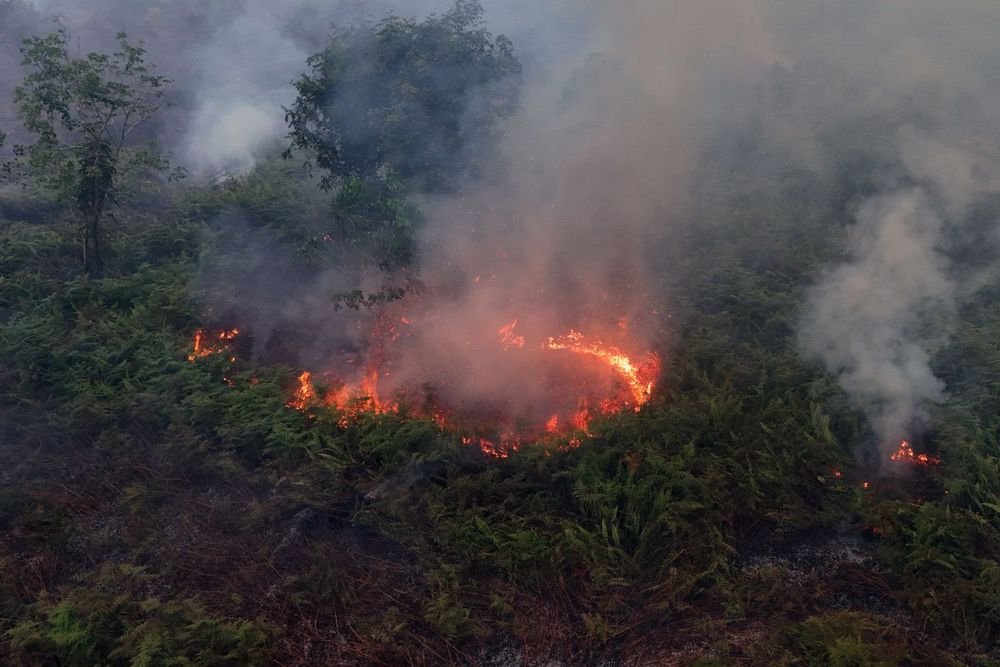
Peatland fires in Indonesia represent a significant threat to ecosystems, wildlife and human populations. The danger intensifies during El Niño warming phases, which trigger extended periods of drought across the archipelago.
Major conflagrations have erupted during recent El Niño events, including 2015, 2019 and 2023. With another substantial El Niño developing this year, concerns are mounting that Indonesia faces another catastrophic fire season.
Preventing these disasters requires more than emergency response measures. Success depends on rehabilitating damaged peatlands and eliminating conditions that enable fire spread. As climate change amplifies wildfire threats worldwide, Indonesia's approach provides crucial insights for safeguarding vulnerable ecosystems and communities globally.
Birth of a restoration program
The national restoration initiative emerged following the severe drought brought by the 2015 El Niño. That year witnessed devastating land and peat fires consuming approximately 2.6 million hectares across Indonesia.
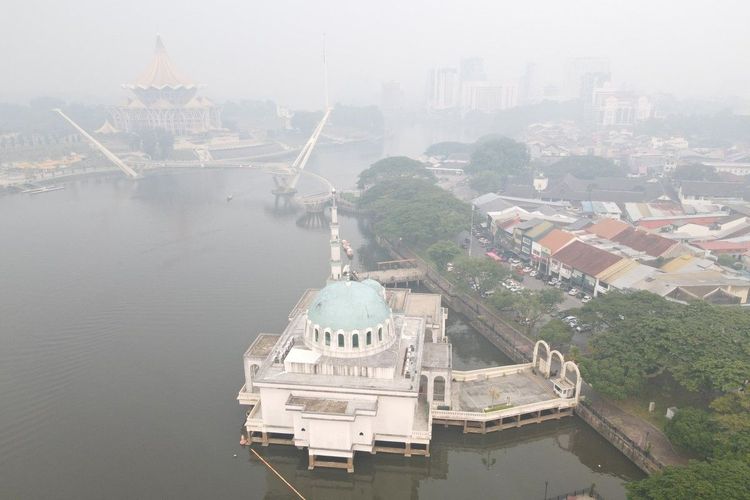
Months of smoke pollution and emissions affected millions throughout Southeast Asia. Economic damages exceeded $16.1 billion, excluding substantial environmental and health impacts.
These massive fires stemmed not solely from El Niño-induced drought. They resulted from peat ecosystem degradation through deforestation and canal construction, combined with land drainage for agriculture and development projects.
In 2016, Indonesian authorities established the Peatland Restoration Agency to rehabilitate ecosystems nationwide and prevent future fires. By 2020, the mandate expanded to include mangrove forest restoration, strengthening climate resilience along Indonesian coastlines.
While wildfire hotspot numbers declined across Indonesia following the program's launch, no studies had quantified restoration's role in that reduction. Recent research demonstrates that large-scale peatland restoration decreased wildfire hotspots by up to 22 percent in restored zones during the 2019 El Niño. This translated to a 38 percent reduction in peatland fires compared to 2015.
The restoration program had rehabilitated around 1.6 million hectares of peatland by 2024. However, program continuity faces uncertainty after the restoration agency's mandate expired that year, with responsibilities transferred across multiple ministries.
Current fire threat
The strong El Niño is expected to peak later in 2026, bringing reduced rainfall. Hundreds of wildfire hotspots have already emerged, including numerous peatland areas. Between January and June 2026, Indonesian authorities recorded over 100,000 hectares of burned land.
The research compared restored peatland sites with similar unrestored areas in Sumatra and Kalimantan, evaluating two primary re-wetting restoration approaches: canal blocking and deep wells.
The deep-well technique functions like watering a dry sponge using pumped water. When dry season arrives and peatland begins desiccating, operators activate pumps drawing water from wells. The objective is moistening surrounding land or helping extinguish fires.
Canal blocking maintains land moisture by retaining water in place, preventing drainage.
Overall analysis found restoration reduced fire hotspots by up to 22 percent between 2015 and 2019 across nearly 4,000 square kilometers of peatland where re-wetting proved effective.
Deep wells demonstrated superior fire risk reduction compared to canal blocking. Pumped water directly moistens dry peat and can extinguish fires, reaching wider areas with longer-lasting infrastructure.
Canal blocking, lacking active pumping, only affects land within several hundred meters of installation. Under optimal conditions, though, it can surpass deep well effectiveness if suitable locations are selected and sufficient canals blocked, ideally in clusters.
Maintenance challenges
A recent study examining peatland restoration across Indonesia from 2015 to 2024 discovered 70 percent of canal-blocking units were damaged. Research shows only canal blocks approximately one year old effectively maintain peat moisture. Regular maintenance is therefore essential to preserve blocks' water-retention capabilities.
Despite positive results from Indonesia's restoration program, fire threats persist over already degraded peatland.
Although fire extent has declined over the past decade, hotspot density in restored areas remains up to ten times higher than in pristine peat forests never subjected to logging or drainage.
While total burned area within peat forest regions consistently exceeds 500,000 hectares, water table levels at studied sites remain below the safe 40-centimeter threshold. Substantial degraded peatland still requires restoration.
Despite these challenges, reduced wildfire occurrence on restored peatlands should encourage Indonesia and other nations to sustain and expand degraded peatland restoration efforts.
In the United Kingdom, initiatives to restore degraded peatlands across England and Scotland continue. In those locations, benefits including wildfire risk reduction require monitoring and continuous restoration method refinement.
Restoration, while beneficial, cannot replace intact peatlands. Protecting these peatlands must remain the highest priority, especially as severe drought threats intensify due to climate change.