A popular start faces reality
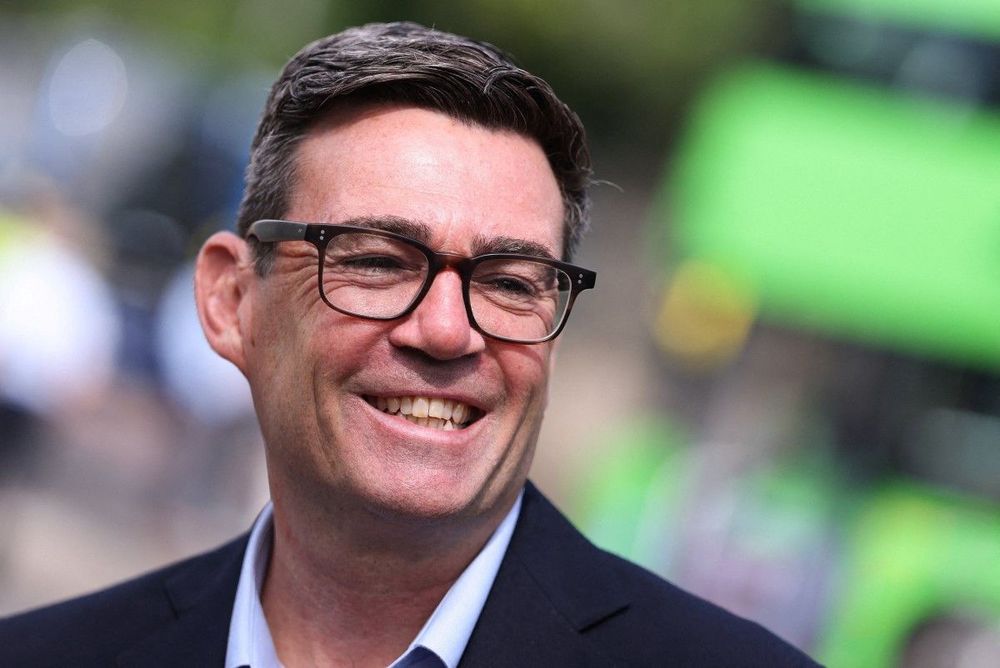
Andy Burnham's first month as UK Prime Minister has been marked by popularity and carefully managed public appearances, but the 56-year-old leader now faces his most significant challenges as parliament reconvenes after the summer recess.
Since taking office on July 20, 2026, succeeding Keir Starmer who led Labour to victory in the 2024 general election, Burnham has maintained strong public approval through modest policy wins including reduced electricity bills and bus fares. His casual, approachable style—pouring pints with his finance minister, playing guitar in Ukraine, and producing polished social media content during a nationwide "listening tour"—has resonated with voters.
Before entering Number 10, Burnham served as Mayor of Greater Manchester from 2017 to 2026, where his advocacy for regional devolution earned him the nickname "King of the North." This background has shaped his man-of-the-people persona, which contrasts sharply with his predecessor's more reserved approach.
A YouGov poll published August 18 showed 46 percent of Britons view Burnham favorably, a 12-percentage-point increase since he assumed office. His Labour Party has also benefited from troubles facing hard-right rival Nigel Farage.
Yet with MPs away on holiday, Burnham has largely avoided the thorniest policy decisions.
"He's benefited enormously from parliament not being there,"
The recess allowed him to "control the narrative," she added.
That changes when lawmakers return to Westminster on Tuesday. Burnham will deliver his first speech to parliament as prime minister and announce whether the government will proceed with contentious plans to release thousands of prisoners early. UK prison capacity has been in crisis since 2023, with male prisons operating at over 99 percent occupancy, forcing emergency measures.
On Wednesday, Burnham faces his first Prime Minister's Questions, the weekly 30-minute parliamentary session where MPs grill the leader. The format will test whether he can handle sustained political pressure and opposition challenges.
Budget pressures mount
The government's first budget on October 28 looms as the most significant test. Burnham must demonstrate how he will fund his cost-of-living pledges and commitment to ending rough sleeping while addressing a projected £16.9 billion shortfall in defense spending needed to meet NATO's 2.5 percent of GDP target by 2030.
These challenges come against strained public finances and limited revenue options. Burnham has pledged not to raise income tax, employee payroll contributions, or value-added tax on consumer goods.
"That might be when reality starts to hit,"
McNulty, now a politics lecturer at Queen Mary University of London, believes Burnham can make tough decisions despite opponents labeling him a "people pleaser."
Controversial decisions ahead
Sensitive policy questions awaiting resolution include welfare reform, social care funding, and whether to scrap jury trials for many offences. Perhaps most divisive is the decision on extracting oil and gas from the Rosebank and Jackdaw fields in the North Sea, which hold an estimated 500 million barrels of oil equivalent with development costs exceeding £8 billion.
"You either alienate the unions by saying no and get noises off from Donald Trump in a very unhelpful way,"
Approving the drilling "alienates the Labour net zero supporters who say we're going to lose more support to the Greens."
Diplomatic challenges
Burnham hosts French President Emmanuel Macron this week in his first meeting with a European leader since taking office. Macron, who has served as France's president since May 2017, has extensive experience negotiating UK-EU relations and will be a formidable diplomatic counterpart.
The visit comes as Burnham must decide how to pursue closer ties with the European bloc ahead of an expected bilateral summit later this year. While he has advocated being "bolder" in strengthening relations, he has ruled out rejoining the single market or customs union—the arrangement Britain left on January 1, 2021, creating new trade barriers.
"The EU isn't handing out sweets just because we've got a sort of fun prime minister who likes The Smiths,"
A likely first encounter with US President Donald Trump, possibly at the UN General Assembly opening in September 2026, presents another delicate situation. Burnham once described Trump's policies as "poisonous"—comments that could complicate the relationship as the American leader began his second term in January 2025.
Labour MP Jess Phillips said on a Sky News podcast that Burnham must "show what his actual priorities are," though doing so risks disappointing many colleagues. Fellow Labour MP Luke Akehurst told AFP that Burnham's positive start "gives him a significant bank of political capital" among party members "who will need to trust his judgement in addressing the range of complex policy issues that the government faces."