French protesters return amid dispute over police protections
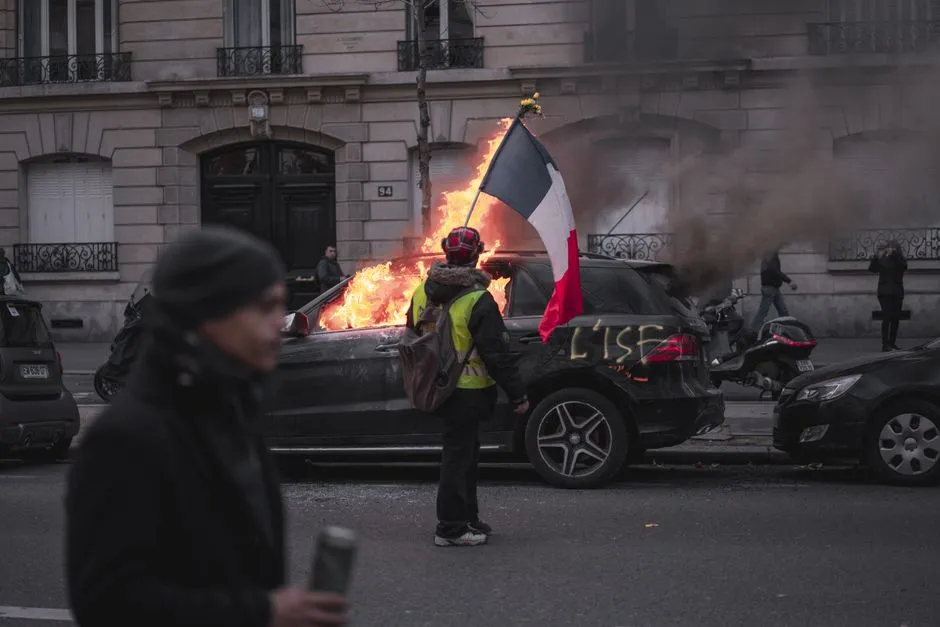
France's interior ministry counted 82,500 demonstrators nationwide on November 21, compared with organizers' estimate of 150,000, France 24 reported. High school students demanding better learning conditions started the movement in mid-September 2026. AFP's count showed that security forces had seriously injured at least 31 people since the protests began.
Protesters also referenced legislation that parliament passed on November 20 granting greater protection to law enforcement officers who use their weapons. The measure drew strong criticism from the left, according to France 24.
Earlier unrest brought hundreds of thousands of people into the streets for a third weekend of demonstrations against rising living costs. The Jakarta Post reported clashes in Paris and other cities, as well as an attempted murder investigation into gasoline bomb attacks on security forces.
Analysts cited by the Post said France's unrest reflected political and economic divisions ahead of the 2027 presidential election. In their assessment, anti-establishment forces were gaining strength while financial constraints limited the government's response.
German youth rallies follow unrest elsewhere in Europe
Germany's Gen Z regelt movement called demonstrations for November 20 in 73 cities, with more than 20,000 people registered, according to Wikipedia. The call followed its October 31 protests, which had been planned across 34 cities, including Berlin, Frankfurt and Munich, with expected attendance exceeding 160,000.
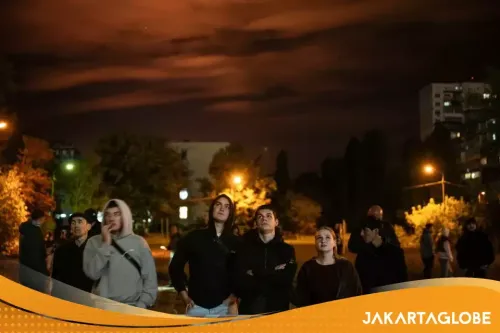
The group's demands included opposition to compulsory military service and more funding for education, against a backdrop of rising costs for young Germans. The Jakarta Post reported that some groups refused to disperse on the evening of the Halloween rallies. Violence and shop looting followed, with unrest reported in Berlin, Cologne and Hamburg.
The German demonstrations drew inspiration from movements in France and Italy, where young protesters accused political leaders of disregarding their concerns. In Italy, police clashed with demonstrators in Milan and Bologna. After groups split from a cost-of-living march in Milan, riot police sought to remove hooded protesters from the Galleria Vittorio Emanuele II, the luxury shopping arcade beside the cathedral square, the Post reported.
Spain's rail collision prompts resignation and funding inquiry
A collision involving two high-speed trains on October 28 killed 68 people and injured more than 100, according to The Jakarta Post. The crash occurred in Toledo province, between Urda and Los Yébenes, about 150 kilometers south of Madrid.
Wikipedia's account says a Renfe AVE train hit the back of a stationary Iryo train at an estimated 160–200 km/h. Government sources identified human error during manual signaling operations as the likely cause, following the failure of an automated system.
Transport Minister Óscar Puente announced on November 3 that he would resign and leave politics. He said a minister could not stay in office after two accidents of such severity within less than a year. The Urda collision followed January's Adamuz crash, which killed 46 people on the same Madrid–Seville line, according to Wikipedia.
European Union prosecutors subsequently opened an investigation into whether money allocated to upgrade the line's signaling system had been fraudulently misused. The disasters struck a network that, after substantial investment, had become the world's second-largest high-speed rail system behind China's and a point of national pride, the Post reported.
Ukraine rejects another proposed humanitarian ceasefire
President Volodymyr Zelenskyy rejected a November 19 proposal by Russian President Vladimir Putin for a humanitarian ceasefire in Kostiantynivka. According to DW, Zelenskyy viewed it as an attempt to get Ukrainians to leave so Russian forces could occupy the city.
The proposal followed a ceasefire in Oleshky that lasted from October 27 through November 1. Russia and Ukraine had agreed to a pause intended to permit aid deliveries and civilian evacuations through humanitarian corridors, as well as to hold peace talks, The Jakarta Post reported.
After the Oleshky pause ended, Ukraine's General Staff said Russia had used it to replace troops, strengthen defensive positions and anti-drone measures, and deliver ammunition, DW reported.
Indonesian recruitment concerns and a Russian diesel agreement
Ukraine also claimed that another Indonesian recruited into Russia's military had been killed, according to The Jakarta Post. The Indonesian Embassy in Moscow and researchers described an increase in third-party recruitment of Indonesian citizens for Russian military service in Ukraine. Analysts urged Indonesia's government to suspend job offers from Russia.
Separately, President Donald Trump said in early October that he had obtained Russian agreement to a major diesel release. The Post reported that he eased war-related sanctions on Moscow as part of an effort to reduce energy costs before the U.S. midterm elections.