Who bears the tax burden
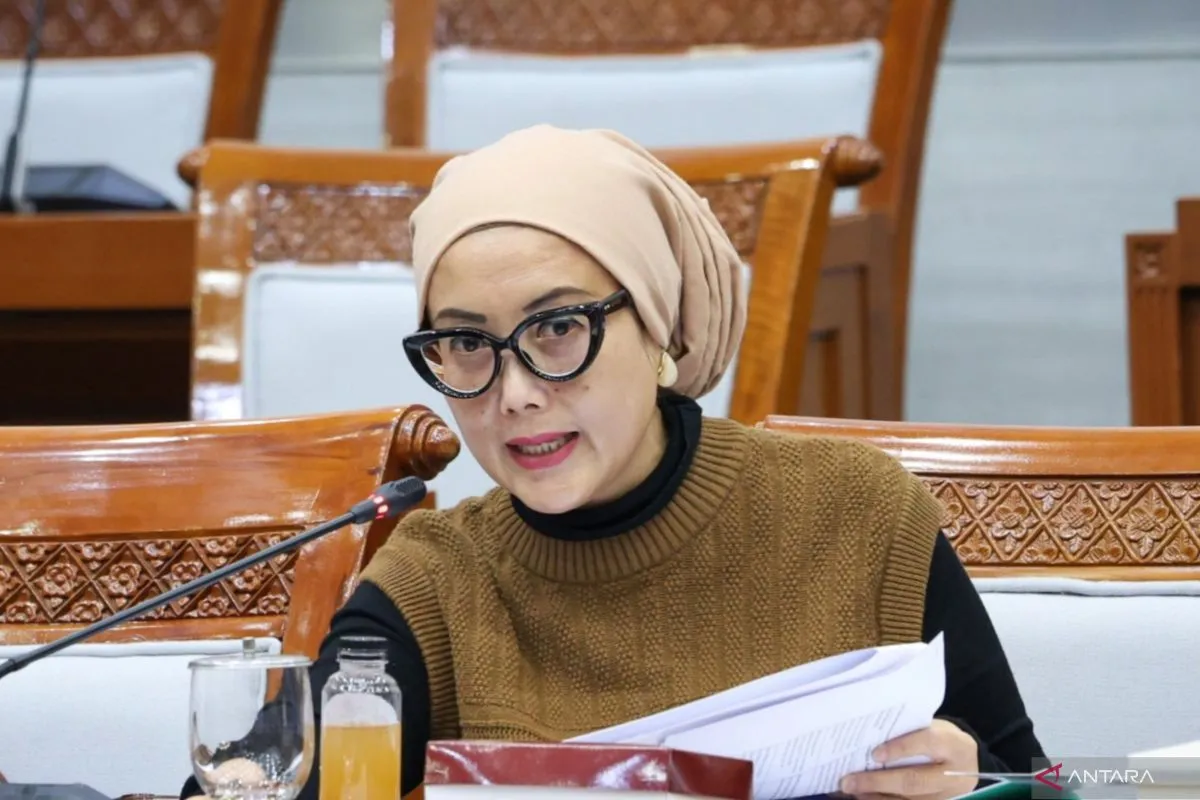
Speaking in Jakarta, Selly, a member of the House of Representatives' Commission VIII, said menstrual products represent an unavoidable, recurring expense that leaves low-income women especially exposed to higher costs.
"Menstruation is neither a choice nor a lifestyle or a discretionary expense that can be postponed. It is a biological process that women cannot avoid," she said.
Selly argued that uniform tax rules need to be examined for their effects on people with different needs and economic circumstances. "The issue is not simply whether the tax specifically targets women. The more fundamental question is who actually bears its burden," she said.
She called for fiscal policy to give greater consideration to gender, with taxes evaluated for their effects on women's basic needs and quality of life as well as the revenue they raise.
Sanitary pads carry an effective 11% VAT
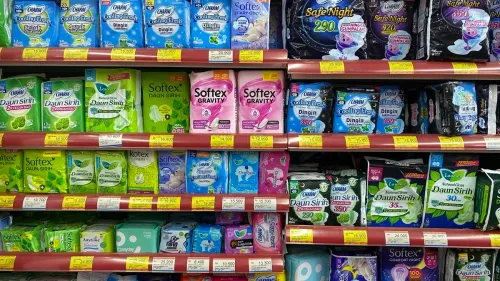
Sanitary pads fall within Indonesia's category of non-luxury taxable goods. Under Minister of Finance Regulation (PMK) No. 131 of 2024, those goods face a headline VAT rate of 12%, but the rate applies to an alternative tax base of 11/12 of the selling price. That produces an effective tax burden of 11%, according to MUC Consulting, citing the Directorate General of Taxes (DGT), and the Jakarta Globe.
For pads costing IDR 20,000 before VAT, the tax is IDR 2,200, bringing the purchase price to IDR 22,200.
The DGT classifies sanitary pads sold in Indonesia as taxable goods, or Barang Kena Pajak. They do not qualify for the essential-goods exemptions provided by Government Regulation (PP) No. 49 of 2022. That regulation covers rice, unhusked rice, corn, sago, soybeans, salt, meat, eggs, milk, fruits and vegetables, but not sanitary pads.
DGT official Inge Diana Rismawanti said that no official study proposing a VAT exemption for sanitary pads had been submitted to the government as of late October 2026.
Women's commission and consumer advocates seek changes
Selly also cited the National Commission on Violence Against Women, known as Komnas Perempuan. The commission says the current tax policy gives insufficient consideration to women's particular needs in exercising their reproductive health rights.
In press release No. 76/HM.02.03/X/2026, issued October 30, 2026, Komnas Perempuan asked the government, especially the Finance Ministry, to review VAT on menstrual products. It proposed either removing the products from the scope of VAT or using a government-borne VAT scheme, known as PPN ditanggung pemerintah.
The commission based its position on CEDAW, ratified by Indonesia through Law No. 7 of 1984, and Article 57(1) of Law No. 17 of 2023 on Health. It also said it had filed an amicus curiae brief concerning women's tax burden in Constitutional Court case No. 11/PUU-XXIII/2025.
The Indonesian Consumers Foundation (YLKI), chaired by Niti Emiliana, called on October 30, 2026, for VAT to be abolished on sanitary pads and other menstrual hygiene products. The group argued that the tax falls disproportionately on low-income women and deepens economic inequality.
YLKI urged the government to seek revenue through a broader tax base, better taxpayer compliance and measures to close budget leakages, rather than through taxes on essential consumer goods.
Different approaches abroad
The Jakarta Globe reported that several countries have removed national-level taxes on menstrual products. Kenya abolished taxes on them in 2004, while Australia, Canada and India have eliminated national sales or consumption taxes on these goods.
Germany reclassified menstrual products as essential items and lowered their VAT rate from 19% to 7% in 2020. Elsewhere in Europe, the rates remain 27% in Hungary, 25% in Denmark and Sweden, and 24% in Greece.
Access beyond tax relief
Selly's proposals also address access to adequate menstrual products for women in low-income households, informal workers, people with disabilities and schoolgirls. She said that support should be linked to sanitation facilities, clean water, reproductive health services and menstrual health education.
While acknowledging that tax revenue is essential for development and public services, she said fiscal policy must also serve social justice and respond to vulnerable groups' needs.
She urged the Ministry of Women's Empowerment and Child Protection to work more closely with the Finance Ministry and other relevant agencies to ensure national policymaking accounts for women's needs.