Reporting compliance and accuracy
Tanak wants lawmakers to include a confiscation mechanism tied to the State Officials Wealth Report, known as LHKPN. He argued that the prospect of losing undeclared assets would encourage officials to disclose their wealth honestly.
"If such matters are regulated in the law on asset forfeiture, then all state officials will be deterred from submitting inaccurate LHKPN reports. They will certainly file accurate LHKPN reports," he said.
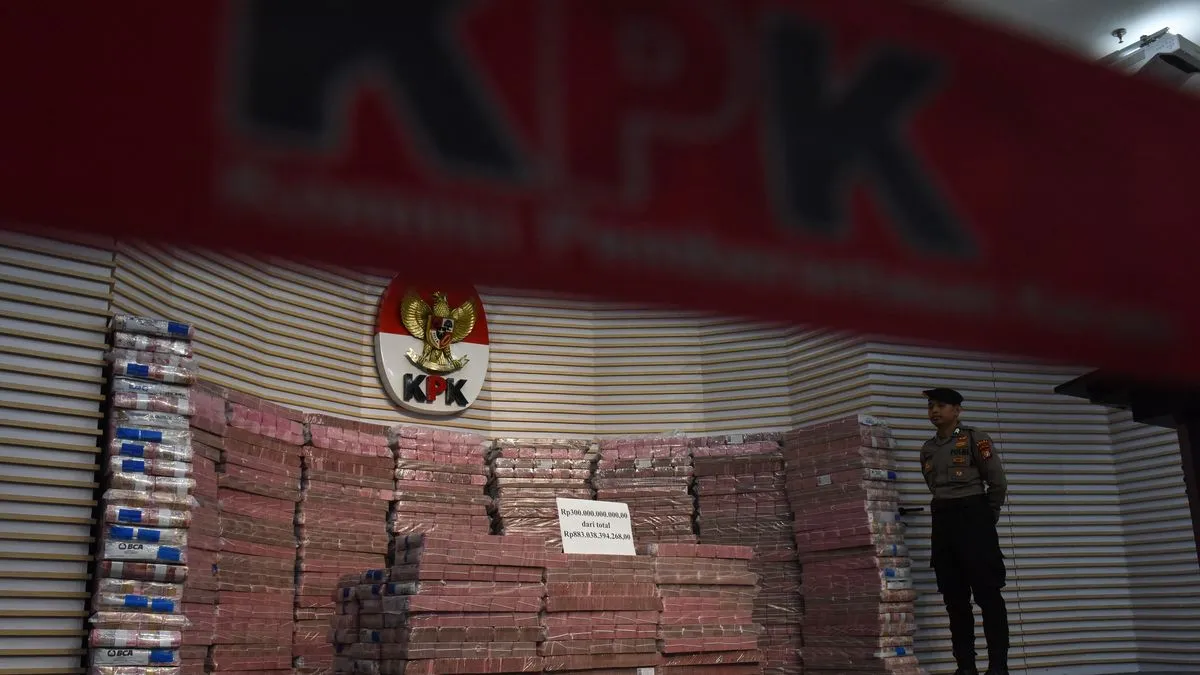
KPK's reporting figures address both filing compliance and questions about individual disclosures. According to JawaPos.com, the agency recorded a national filing compliance rate of 96.24% at the April 1, 2026, deadline. The judiciary led at 99.99%, while the legislature, covering DPR and DPRD, had the lowest rate at 82.21%.
Separately, KPK Deputy Chairman Fitroh Rohcahyanto said the agency received 422,766 wealth reports during the first half of 2026. Of those, 57 required further examination because they appeared inconsistent with the filers' profiles, Monitor Indonesia reported.
The legal case for including undeclared assets
Abdul Fickar Hadjar, a criminal law expert at Trisakti University, said Tanak's proposal merited consideration within legislation that would authorize the state to seize assets, particularly proceeds of crime. Speaking on October 29, 2026, he said officials' holdings were relevant because gains could stem from their use of public authority and power.
Fickar argued that officials' measurable income provides a basis for estimating their wealth. Assets acquired through businesses or side ventures must also appear in their LHKPN reports, he said, making holdings beyond those disclosed a significant concern.
In his view, it would be reasonable to include such wealth among the assets subject to forfeiture. He said holdings could be classified as the result of illegal conduct when their ownership and acquisition could not be legally justified in the context of the owner's position as a public official.
Zaenur Rohman, a researcher at Gadjah Mada University's Center for Anti-Corruption Studies (Pukat UGM), said unreported official assets could fall under the category of unexplained wealth. He identified LHKPN disclosures as a possible basis for determining which assets would be covered.
Proposed scope and legislative timetable
The proposed reach of the bill extends beyond corruption. As of August 31, 2026, the House of Representatives' Commission III said 13 categories of crime were under consideration: corruption; narcotics and psychotropics; terrorism; human smuggling; smuggling of weapons, ammunition and hazardous materials; forestry; environment; taxation; banking; insurance; mining; marine and fisheries; and human trafficking.
On October 6, 2026, the House of Representatives (DPR RI) approved the Draft Law on Asset Forfeiture Related to Criminal Offenses as a House-initiated bill, according to DPR RI's Parlementaria.
The next stage is clause-by-clause deliberation of the Daftar Inventarisasi Masalah (DIM) with the government during the legislative session beginning November 10, 2026. Commission III is targeting enactment no later than December 15, 2026.