Criminal and civil routes
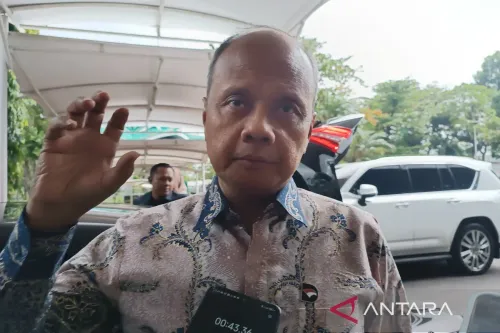
Speaking to reporters on November 24, DPR Commission III member Soedeson Tandra said the division follows the distinct legal responsibilities of the KPK and the Attorney General's Office. He described it as a requirement of Indonesia's legal framework, not an effort to curb anti-corruption work.
The House of Representatives (DPR) passed the Asset Forfeiture Law (UU Perampasan Aset Terkait Tindak Pidana Korupsi dan Tindak Pidana Lainnya) in a plenary session on November 19, 2026. Its passage ended an 18-year process in the legislature.
The law provides two routes to forfeiture. The conviction-based route uses the criminal justice system to confiscate assets on the basis of prosecuted offenses. Soedeson explained that this creates an in personam relationship: a case between the state and an individual.
Forfeiture without a conviction follows civil procedure instead. Known as in rem, it concerns the legal relationship between the state and the property itself. State Attorneys (Jaksa Pengacara Negara), rather than the KPK, are responsible for bringing those applications before civil courts.
Why the agencies have different powers
Soedeson said the KPK performs only the magistratuur function, which authorizes it to investigate and prosecute criminal cases and execute criminal court rulings. The Attorney General's Office has that function as well as two others.
One is openbaar ministerie, encompassing representation of state and public interests, service as State Attorneys and intelligence duties. The other, officier van justitie, concerns prosecutors holding structural posts within the judicial system or other positions connected to judicial functions.
Because the KPK lacks the openbaar ministerie function, Soedeson said, giving it responsibility for non-conviction-based proceedings would conflict with the existing legal system. He said keeping the responsibilities aligned with that framework was intended to avoid conflicts when the law is implemented.
Limits on forfeiture without a conviction
Articles 6 and 7 restrict non-conviction-based forfeiture to five circumstances involving a suspect or defendant: death, flight, permanent illness, an unknown identity or unknown whereabouts.
The assets must have been worth at least Rp1 billion when acquired. That minimum is ten times the Rp100 million threshold proposed in the government's 2023 draft.
Articles 9, 10 and 36 assign court applications to State Attorneys. If the person has fled, an application cannot be filed until at least 60 days after the person is placed on the wanted list, known as the DPO. Even without a criminal conviction, the State Attorney must demonstrate in court that the property is connected to a crime.
Scope and conditions for taking effect
Beyond corruption, Article 4 covers narcotics, terrorism, human smuggling, arms smuggling, human trafficking and technology-based fraud. The final text leaves out provisions on illicit enrichment and unexplained wealth that appeared in the government's 2023 draft. Indonesia Corruption Watch criticized their removal.
Under Articles 72 and 74, the law takes effect 12 months after promulgation, with establishment of the asset management and supervisory bodies also required. It will apply only to crimes committed after it takes effect.