
Confiscation without a conviction
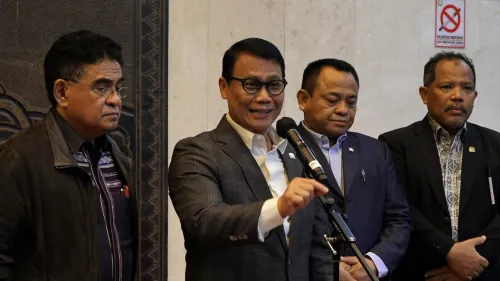
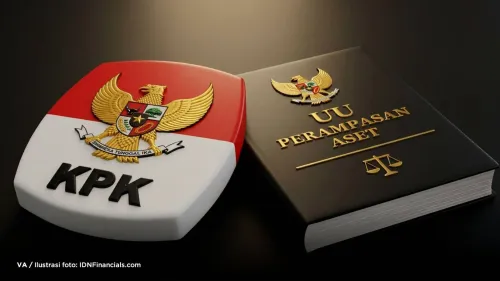
House Commission III Chairman Habiburokhman described the law as a fundamental change in how Indonesia approaches criminal justice and recovers assets for the state. Its central mechanism, non-conviction-based forfeiture, lets courts order confiscation without first securing a criminal conviction.
That mechanism is restricted to five circumstances: a suspect or defendant has died, fled or has a permanent illness, or an offender's identity or whereabouts are unknown. In fugitive cases, prosecutors must wait until the suspect has spent at least 60 days on the police wanted list before applying. An arrest during the hearing requires the forfeiture proceedings to stop so the criminal case can resume. A new application remains possible if the conditions are met.
Only assets valued at Rp 1 billion or more, about $55,000, qualify. The calculation uses their value at acquisition, not their market value when proceedings start. The minimum is ten times the Rp 100 million proposed in the government's 2023 draft and can be revised through a government regulation.
The 74-article law also has a narrower list of eligible crimes than originally proposed. Article 4(3) specifies seven categories: corruption; narcotics and psychotropics; terrorism and terrorism financing; human trafficking; smuggling of weapons, ammunition and hazardous materials; trafficking in persons, or TPPO; and fraud and/or embezzlement committed through information technology and/or affecting the wider public economy. The earlier proposal covered 13 categories; tax crimes were excluded from the final version.
The omissions drawing criticism
In an opinion article in The Jakarta Post, Laode M. Syarif and Ahmad Novindri Aji Sukma argue that passage has not delivered the substantive reform its supporters sought. They identify the absence of illicit-enrichment and unexplained-wealth provisions as a central weakness. Those tools would target wealth far exceeding a person's lawful income, but lawmakers and the executive left them out, citing human rights and procedural constraints.
The authors also identify environmental crimes and retroactivity as critical gaps. Article 72 makes the law non-retroactive, a restriction Indonesia Corruption Watch says limits the recovery of assets.
To illustrate past recovery shortfalls, ICW pointed to the Soeharto/Supersemar civil case and the e-KTP corruption case. In 2015, the Supreme Court ordered the Supersemar foundation to pay approximately $315 million and Rp 139.2 billion. In the e-KTP case, recorded state losses totaled roughly Rp 2.3 trillion, but recovery from Setya Novanto amounted to only about Rp 49.5 billion.
Overseas assets and enforcement safeguards
The law gives investigators a route to pursue property abroad by asking foreign authorities to freeze or seize assets linked to a crime. If the foreign authority refuses, investigators may seek an equivalent-value freeze or seizure of the same person's assets in Indonesia. Applications concerning overseas assets must go to the Central Jakarta District Court.
According to the House committee report, the procedures extend from tracing assets and blocking accounts through seizure, court examination and enforcement. The report also sets out protections for bona fide third parties, professional management of assets, independent oversight and digital transparency. Syarif and Sukma emphasize that such safeguards are necessary to protect constitutional due process against misuse of forfeiture powers.
Two presidentially established agencies will handle management and supervision. The Asset Forfeiture Management Agency will be responsible for safeguarding, maintaining, valuing and disposing of confiscated property. The Asset Forfeiture Supervisory Agency will oversee investigators, state attorneys and asset managers.
The supervisory agency will consist of five members nominated by the president and approved by the House. Each will serve a five-year term, with one renewal permitted.
An 18-year effort to recover criminal proceeds
The reform addresses a problem that imprisonment alone has not resolved. As Syarif and Sukma explain, Indonesia has historically focused its anticorruption efforts on putting offenders behind bars, while illicit wealth can remain concealed, move between holders or be converted into complex assets beyond investigators' reach.
They argue that leaving those proceeds untouched weakens deterrence and allows criminal money to support further offenses and distort lawful markets. Victims lose access to restitution, while the state loses resources that could support recovery and development.
CNA traces the initiative to 2008, when the Financial Transaction Reports and Analysis Center, known as PPATK, began examining ways to recover criminal proceeds. A bill reached parliament in 2012 but languished. The government revived it in 2023, yet it did not pass before the 2019-2024 legislative term ended. Deliberations restarted in January 2026.
Syarif and Sukma credit the sustained campaign to civil society groups, academics, legal practitioners, investigative journalists, policymakers, reform-minded officials and citizens who kept pressing for asset recovery legislation.
Implementation and a planned court challenge
The law is scheduled to take effect 12 months after promulgation, provided both new agencies have been established. The government must also issue implementing regulations within that 12-month period.
ICW and the Asset Forfeiture Advocacy Coalition say they will challenge both the law's drafting procedure and its substantive provisions at the Constitutional Court. They cite a closed drafting process and the removal of key instruments as grounds for seeking review.