Preparations and household costs
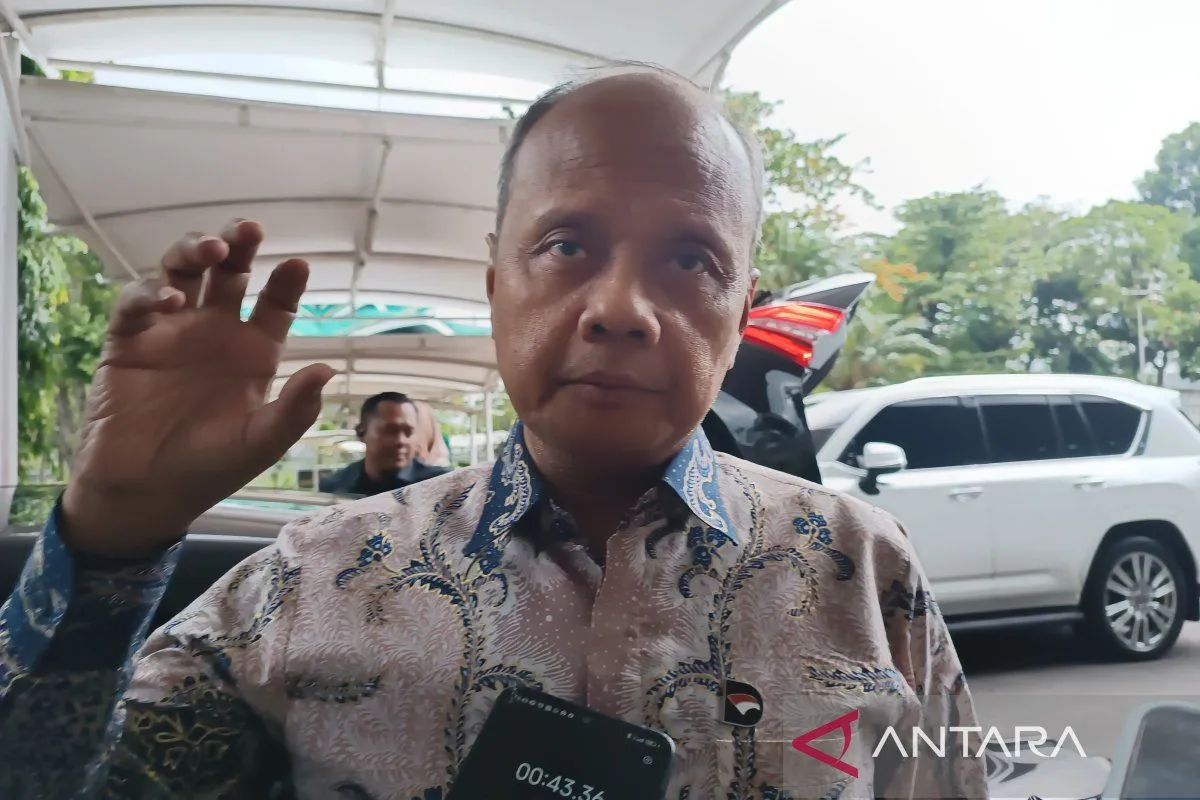
Sigit outlined the timetable to reporters in Jakarta on November 24, 2026, following a meeting with the House of Representatives' Commission XI. He said Danantara wanted to accelerate adoption but would not rush a broader rollout, which needed stakeholder input, suitable advanced technology and careful assessment of the benefits to the country.
"We are working with universities, the Energy and Mineral Resources Ministry and other parties. This is not a trial launched without preparation. We have conducted technology studies since March," he said.
The stoves planned for testing would cost about Rp 600,000 to Rp 800,000 apiece, Sigit said in remarks reported by detikFinance. He described their cooking capability as equivalent to LPG stoves and said the government was still discussing arrangements for subsidized electricity customers below 450 and 900 watts.
Energy and Mineral Resources Minister Bahlil Lahadalia has said the first phase would focus on households with connections below 900 volt-amperes, especially in rural areas, so they could participate without major electricity upgrades. He cautioned that the program was still being planned and required further technical and economic assessments.
Funding request and subsidy changes
The Energy and Mineral Resources Ministry requested Rp 815.56 billion, about $45 million to $48 million, for the electric stove program in the 2027 draft state budget. Bahlil presented the proposal to House Commission XII at a June 15, 2026 working meeting. Sigit cited the same amount in November as the program's budget, according to Jakarta Globe and detikFinance.
Other changes to energy support were confirmed on September 25 by the ministry's secretary general, Ahmad Erani Yustika. Kompas.id reported that the 2027 energy subsidy budget had been cut by Rp 11.4 trillion, with lower quotas for both subsidized 3-kilogram LPG and subsidized diesel. Electric stove programs, gas networks, compressed natural gas (CNG) and pipeline development were identified as substitute measures.
LPG imports and the subsidy burden
Sigit argued that switching to electric cooking could lower government spending on LPG imports. He put LPG prices at $700 to $800 per ton, compared with the $200 to $250 per ton paid by consumers, and said the gap was increasing the subsidy burden.
"That would generate substantial savings. The important thing is that we can quickly reduce LPG imports," he said.
At a parliamentary hearing in June 2026, Bahlil said imports accounted for around 80 percent of Indonesia's LPG supply and used at least Rp 120 trillion, about $6.8 billion, in foreign exchange each year. He said the bill could exceed Rp 130 trillion at the crude oil prices prevailing then.
A July 2026 briefing note from IEEFA provides further context on household demand. Citing the Central Statistics Agency (BPS), it said 89.7 percent of Indonesian households relied primarily on LPG for cooking in 2025. The country consumed 9.24 million metric tons that year, with more than 80 percent imported as finished LPG. The note also cited the Energy and Mineral Resources Ministry's estimate that these imports require Rp 130 trillion to Rp 140 trillion, or $7.9 billion to $8.5 billion, in foreign exchange annually.
An earlier pilot and estimated savings
Indonesia previously tested induction cooking through a PLN pilot launched in Surakarta and Denpasar in 2022. According to the IEEFA briefing, participating households received an induction stove, cookware and a separate kitchen circuit at no charge, while their connected load remained unchanged. PLN estimated the package cost at Rp 1.8 million to Rp 2.5 million per household.
That pilot ended before expansion after concerns emerged about the fiscal implications of a nationwide rollout during the COVID-19 pandemic.
In its July 2026 analysis, IEEFA estimated that equipping roughly 42 million eligible households with induction packages would require a one-time investment of about Rp 105 trillion, or $6 billion. It projected that avoided LPG subsidies could recover that investment in around 1.7 years and yield nearly Rp 200 trillion, or $11.7 billion, in cumulative net fiscal savings over five years. Those figures are IEEFA estimates, not government projections.