Remarks follow passage of data law
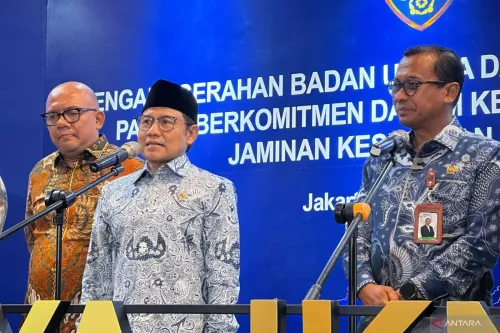
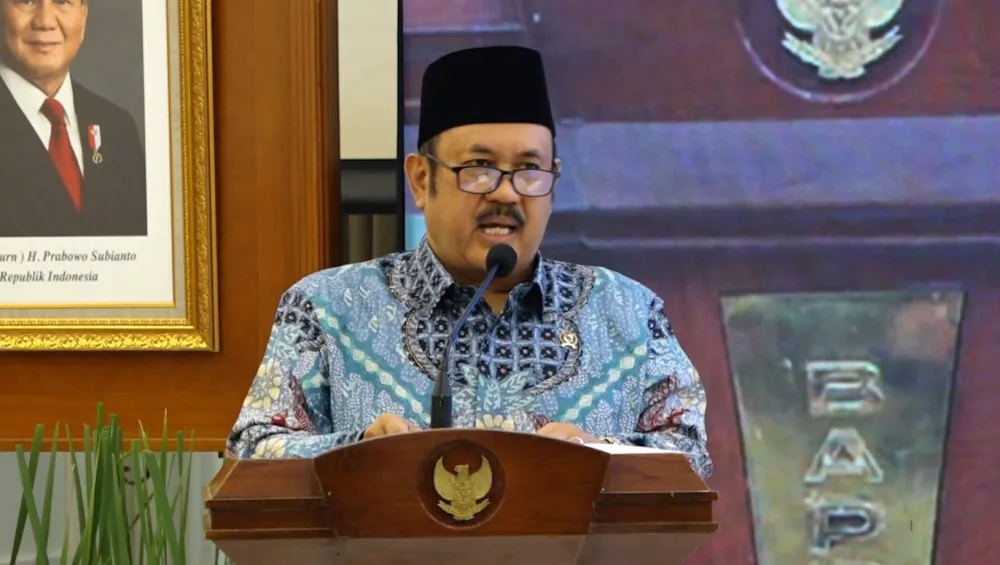
Pambudy spoke at an event explaining the Satu Data Indonesia Law (UU SDI) at the Ministry of National Development Planning/Bappenas building in Menteng, Jakarta, on Thursday, November 5, 2026, according to Liputan6.com.
Using the phrase "data is the new oil," he warned against allowing that resource to leak and said the law should make data a means of protecting national sovereignty, Liputan6.com reported.
Indonesia's House of Representatives (DPR RI) passed the law on Tuesday, October 6, 2026, during its ninth plenary session of the 2026-2027 session year. The legislation contains 20 chapters and 141 articles, according to data.go.id and Tirto.id.
The law replaces Presidential Regulation No. 39 of 2019 as the legal framework for national data governance. The government describes the change as a leap in governance and a strengthening of Indonesia's data sovereignty, according to data.go.id.
Shared reference, agency responsibility
The law establishes state-controlled National Basic Data, known as Data Dasar Nasional (DDN), as the primary reference for development planning, fiscal and budget policy, and social assistance distribution. DDN is organized into six clusters, with data classified as open, limited, or closed, according to data.go.id and Tirto.id.
Integration does not require agencies to centralize their databases or hand over management authority. Under the law's "data remains at source" principle, each agency retains full responsibility for the quality and validity of the data it manages, while interoperability allows the systems to connect efficiently, Liputan6.com reported.
Security and cross-border access
The law requires data-security incidents to be reported within 24 hours, Tirto.id reported. Access to or transfer of closed data outside Indonesia's jurisdiction requires approval from the DPR.