Domestic priorities and bilateral commitments
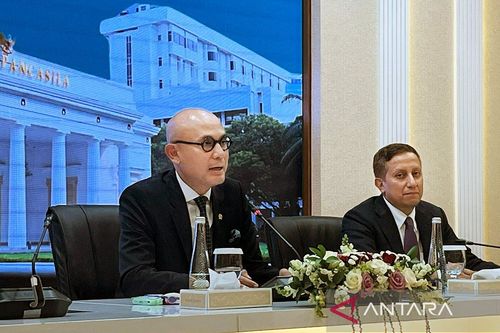
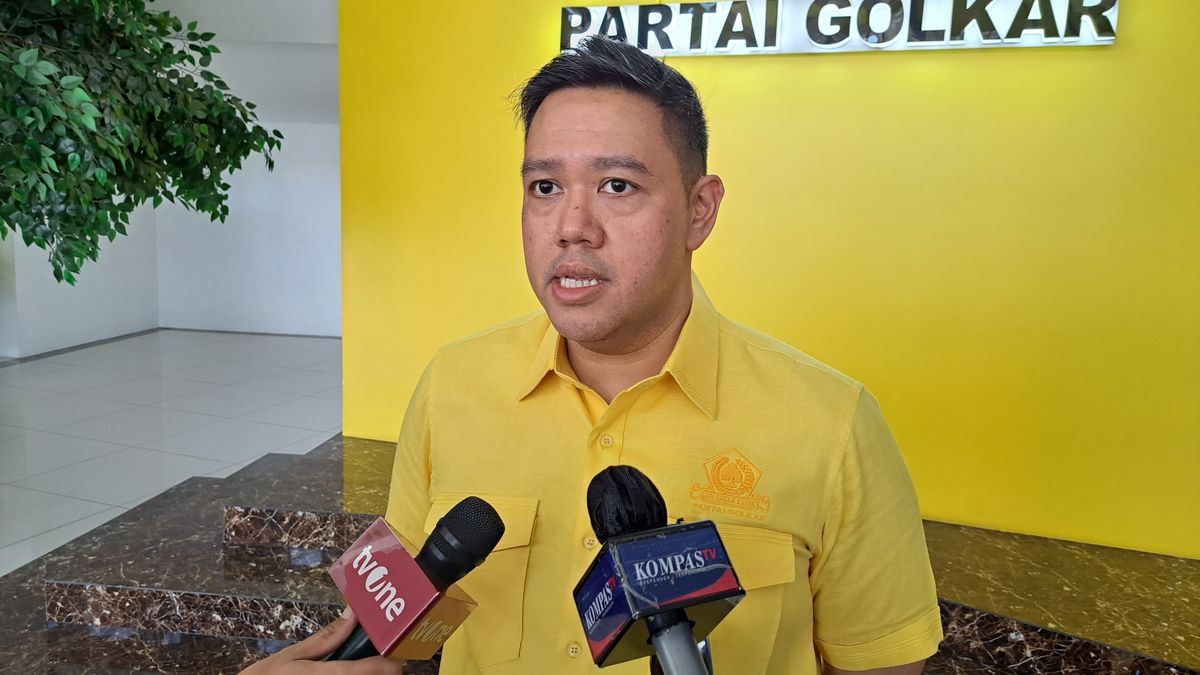
Speaking to reporters a day after the reductions began, Laksono said energy cooperation was one part of a broad relationship between Indonesia and Singapore. Supply changes should be kept in proportion, he argued, rather than automatically treated as a diplomatic dispute.
Laksono said Indonesia must put national interests first by ensuring enough energy for domestic use. Export decisions, in his view, should also account for energy security and the long-term sustainability of the country's natural resources.
He also urged continued cooperation with Singapore, with both sides communicating openly and respecting their commitments. Questions about contracts and supply adjustments should go through the appropriate channels to prevent misunderstandings, he said, allowing Indonesia to protect its interests while preserving good relations with its neighbor.
Different figures for the supply reduction
Indonesia began cutting exports on October 24. Djoko Siswanto, head of upstream oil and gas regulator SKK Migas, reported a reduction of 31 billion British thermal units per day (BBTUD), comprising 15 BBTUD from Natuna and 16 BBTUD from Sumatra.
The Business Times put that cut at about 8 percent of Indonesia's pipeline gas exports to Singapore in 2024, citing US Energy Information Administration figures. The agency estimated those exports at about 4.11 billion cubic meters that year.
Singapore's Energy Market Authority (EMA) gave a different account based on information from gas importers: a recorded reduction of 17 BBTUD over 18 days. EMA said the impact amounted to less than 2 percent of Singapore's daily gas needs, which exceed 1,000 BBTUD.
SKK Migas said the Natuna gas was being sent to PLN Batam via the WNTS–Pulau Pemping–Batam pipeline. Gas from Sumatra was being redirected through the TGI pipeline for electricity needs in Batam, Bintan and Sumatra. The regulator pointed to Article 8, Paragraph 1 of Indonesia's Oil and Gas Law as its basis for giving domestic gas use priority and said it would review developments daily.
Singapore focuses on contracts
Singapore Prime Minister Lawrence Wong said on October 25 that commercial contracts govern the piped gas trade between the two countries and that all parties were expected to meet their commitments. He said Singapore's importer would act to safeguard its contractual rights and interests.
Energy, Trade and Industry Minister Tan See Leng said the same day that Gas Supply Pte Ltd (GSPL) would discuss the reductions with its Indonesian suppliers to establish whether they constituted a contract breach. If a breach were found, the importer would seek the remedies available under the contracts.
An EMA spokesperson, cited by The Straits Times on October 25, likewise said the authority understood that importers would use the contractual options available to them. EMA said the relevant authorities had contingency plans for similar supply interruptions.
The existing gas import contracts with Indonesia are scheduled to expire at the end of 2028. Channel NewsAsia reported that timetable from a September 2025 parliamentary reply by then-Deputy Prime Minister Gan Kim Yong.
Gas dependence and backup supplies
Natural gas fuels about 95 percent of Singapore's electricity generation, according to EMA. Channel NewsAsia reported that pipeline supplies represented 43 percent of the country's gas imports in 2025, with liquefied natural gas (LNG) accounting for the other 57 percent.
Wong said Singapore had invested in LNG terminals so it could buy gas from different countries without depending on pipelines. Its supply sources were also diversified: according to Gan's September 2025 parliamentary reply, cited by Channel NewsAsia, no country supplied more than 30 percent of Singapore's gas imports in 2024.
Singapore has recently managed larger interruptions. EMA said maintenance, both planned and urgent, had caused reductions ranging from 20 to 100 BBTUD in recent months, with other gas sources replacing the lost supplies without incident, according to Mothership.SG.
Tan said power generation companies must keep sufficient diesel reserves to cover larger gas disruptions. He also said Singapore was building a second LNG terminal in the medium term.
Earlier export plans and regional tensions
The export reductions follow years of planning to scale back supplies, The Business Times reported. In 2022, Jakarta agreed to continue supplying Singapore through 2028, though at volumes below those in the preceding contract.
In April 2025, Djoko outlined a plan to reduce exports from Sumatra and offset that reduction with Natuna gas. An agreement followed in May. The October 2026 announcement differs from that arrangement because it cuts supplies from both locations.
The latest cuts also came during heightened tensions over haze crossing borders from Indonesian wildfires. On October 21, 2026, Indonesian Energy and Mineral Resources Minister Bahlil Lahadalia said the government was considering letting gas export arrangements with neighboring countries lapse rather than renewing them.
On October 22, Bahlil warned that Indonesia could halt energy exports to countries that did not show it respect, without identifying a country. SKK Migas did not connect the gas diversion to those remarks.