Review of adoptions sought
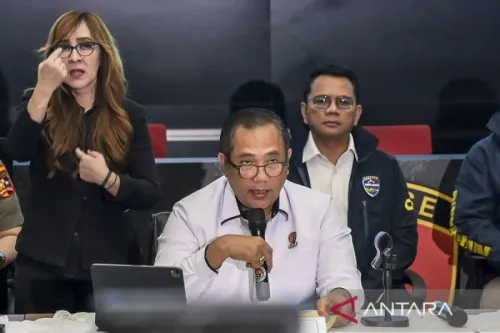
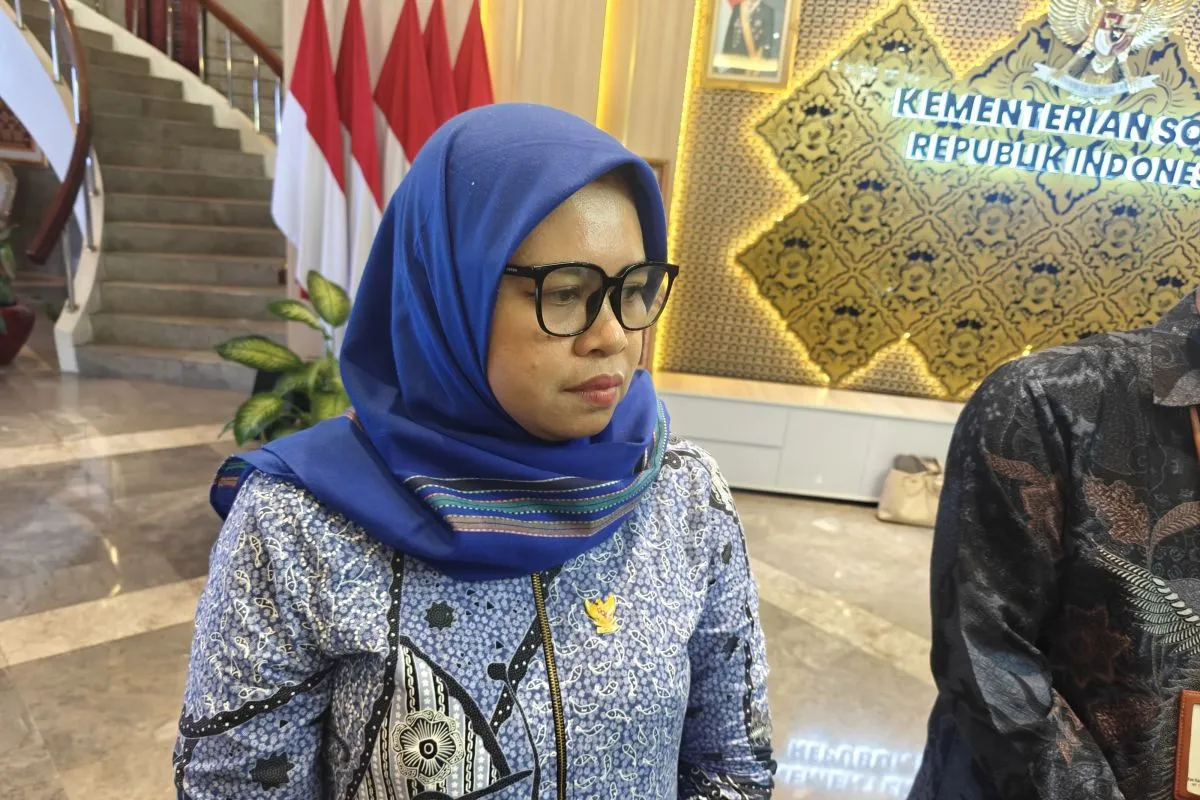
Speaking in Jakarta, KPAI Commissioner Ai Maryati Solihah said the 18 children had been adopted by individuals in Singapore and had so far been deemed unable to return to Indonesia. West Java Regional Police uncovered the network in 2025; babies were reportedly sold for about Rp300 million each, or approximately $16,585.
KPAI wants the children's adoption status reviewed following evidence that documents were forged and the Bandung District Court's sentencing of 13 perpetrators. Solihah said authorities must respect the ruling and use it to guide policy decisions.
According to KPAI's coordination with Indonesia's Foreign Affairs Ministry and its representatives in Singapore, Singaporean authorities initially accepted the civil registration documents because their letterheads and official stamps appeared genuine. Police subsequently exposed the case.
Solihah asked the Social Affairs and Foreign Affairs ministries to locate the children, who have parents in Indonesia, and take measured steps to bring them home. She also called for social rehabilitation facilities to be ready to receive them.
Court sentences and calls for further investigation
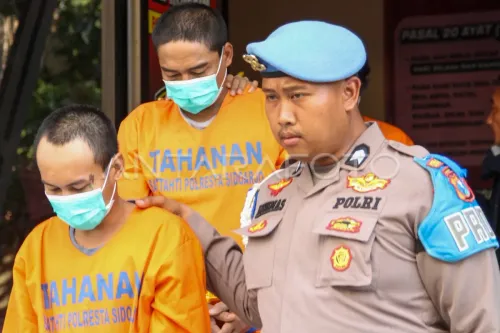
Channel News Asia reported that the Bandung City District Court in West Java delivered convictions on July 21, 2026, in a case involving at least 34 babies trafficked between 2022 and 2025 under the guise of adoption. Prison terms ranged from three years and four months to seven years. The court identified Lie Siu Luan, also known as Lily, as the ringleader and sentenced the 70-year-old to the longest term.
On July 22, Solihah criticized the sentences as too lenient, according to Tempo English, which identified her as KPAI's chair. She pointed to Indonesia's Law No. 21/2007 on human trafficking and the Child Protection Law, which allow prison terms of up to 15 years.
KPAI has also called for investigators to pursue overseas networks that received and distributed the babies, as well as bureaucratic actors who helped provide falsified civil documents.
Diplomatic requests and Singapore's response
An earlier account from Indonesia's Foreign Affairs Ministry used a count of 17 children in Singapore. In remarks reported by Tempo English in August 2026, ministry official Heni Hamidah said 10 had completed adoptions by local residents. The Indonesian Embassy had sent a diplomatic note requesting a halt to adoption proceedings for the remaining seven and their repatriation.
Singapore's Ministry of Home Affairs and Ministry of Social and Family Development said on January 9, 2026, that Singapore police were assisting Indonesia's investigation following a September 2025 request from the Indonesian National Police. The ministries said the continuing investigation had delayed citizenship applications for the affected children.
In an August 4 joint reply, the Singapore ministries said the information then available left them "presently unable to conclude that any offence has been committed in Singapore, or by Singaporeans or Singapore-based entities." They also pledged firm enforcement against anyone who violated Singapore law.
Adoption requirements in both countries
KPAI's position is that the adoptions did not satisfy national or international standards. Solihah said Indonesia requires a strict process through the Child Adoption Advisory Team (PIPA), which falls under the Social Affairs Ministry, while Singapore permits agencies to arrange adoptions.
That permission does not allow payments to biological parents in exchange for relinquishing a child. According to AsiaOne, citing The Straits Times, Singapore law permits certain adoption-related expenses, including reimbursement of a child's medical bills, legal fees and charges for adoption services.
Agencies must also comply with Singapore's Adoption of Children Act. Its requirements include prohibitions on providing false information and obtaining birth parents' consent through deception.