Seizure in Pengambengan Village
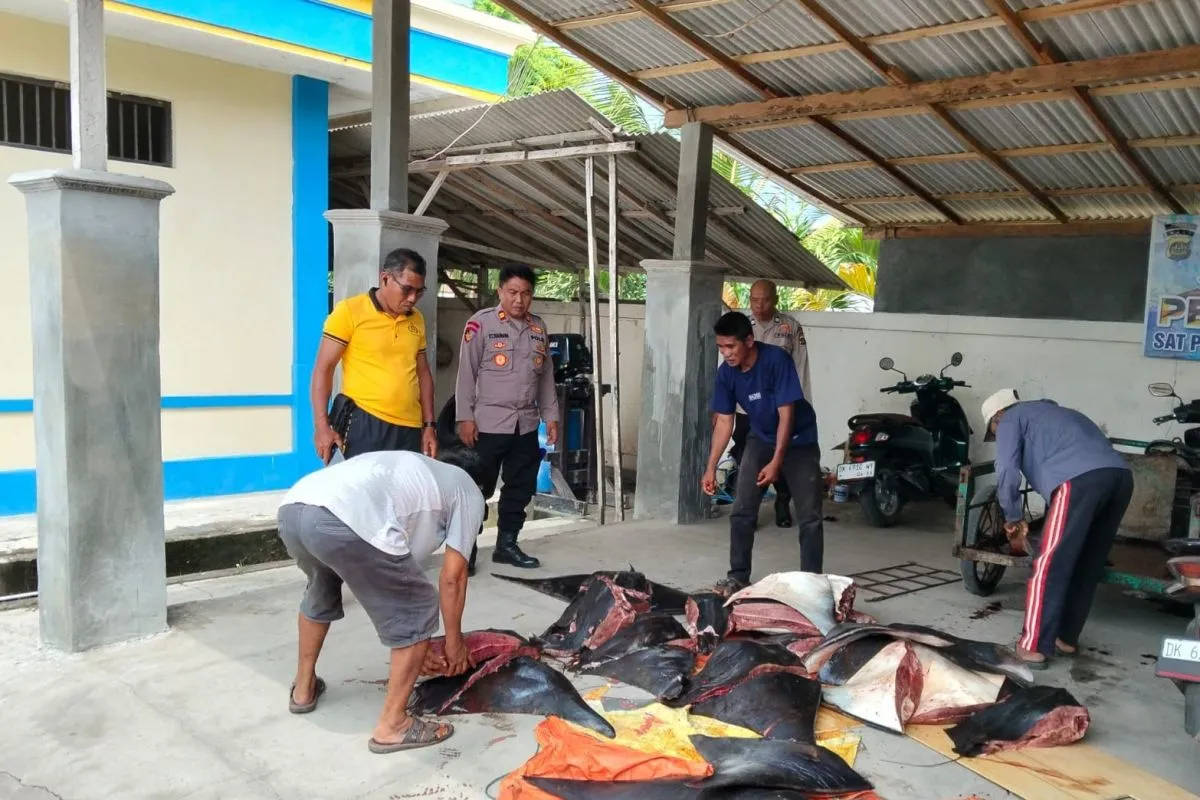
Officers stopped a person identified only as M in Munduk Hamlet, Pengambengan Village, during a raid, according to First Inspector I Gede Ketut Suasnawa, chief of Jembrana Police's Marine and Air Unit. Speaking on Saturday, Suasnawa said the dismembered rays were in a cart M was towing with a motorcycle.
The village also hosts Pengambengan Fishing Port, known as PPN Pengambengan. On September 29, 2026, the government began a Rp1.2 trillion project, valued at about US$66.6 million, to redevelop the facility into a modern, integrated fishing port.
Suasnawa said investigators would examine the roles of people who caught, sold, bought or transported the rays. "We will handle the case professionally according to prevailing laws and take action against all individuals involved," he said.
Police are working with the Coast and Marine Resources Management Office (BPSPL) and animal rights organization Jaringan Satwa Indonesia (JSI) to support the investigation. JSI confirmed the rays' protected status.
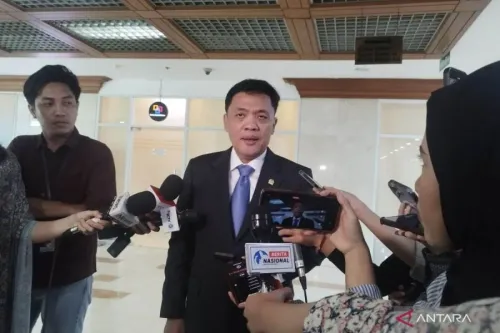
Jembrana Police Chief Adjunct Senior Commissioner Cherry Simamora also called on coastal residents to help safeguard the marine environment, warning that catching, transporting or trading protected species violates the law.
National protection and international trade restrictions
Police did not identify the seized rays by species. Indonesia's national protections specifically cover the oceanic manta ray (Mobula birostris) and reef manta ray (Mobula alfredi). Under Ministerial Decree No. 4/KEPMEN-KP/2014, both have been fully protected since January 27, 2014.
The decree bars their capture, transport and trade throughout Indonesian waters. Its scope includes every life stage and all body parts, including fins and gill plates, with an exemption only for research and development.
International restrictions now cover the entire manta and devil ray family, Mobulidae. At the 20th CITES Conference of the Parties, held in Samarkand, Uzbekistan, from November 24 to December 5, 2025, the family was moved to Appendix I. The resulting ban on international commercial trade took effect on March 5, 2026.
Indonesia's submission to that conference described most Mobula species in its waters, including Mobula japanica, M. tarapacana, M. thurstoni and M. kuhlii, as incidental catches in tuna gillnets rather than targets of fishing. It said these species have no catch quotas and no recorded exports from Indonesia, with use limited to small-scale or local consumption.
Earlier prosecutions
Previous enforcement cases include the arrests of five suspected manta traders in Indramayu, Surabaya and Bali during August and September 2014. Authorities seized 138 kilograms of gill plates in those cases, according to PanduanHewan.
On January 27, 2015, a Cirebon District Court sentenced a gill-plate seller to 1.4 years in prison and imposed a Rp50 million fine.
Bali's manta population and tourism
Long-term monitoring at Nusa Penida, Bali, estimated that the reef manta population grew from 170 individuals in 2012 to more than 440 in 2022. The increase has been attributed to national protection introduced in 2014, supported by high survival rates and the rays' strong tendency to return to the same area, according to Indonesia's CITES submission.
Tourism estimates cited by PanduanHewan put the direct global economic impact of manta watching at about US$140 million annually, with Indonesia among the top 10 countries. In 2017, shark and ray tourists spent an estimated US$22 million in Indonesia, about 1.45 times the value of the country's annual shark exports.