
Forest Fires Ravage Endemic Wildlife Habitats
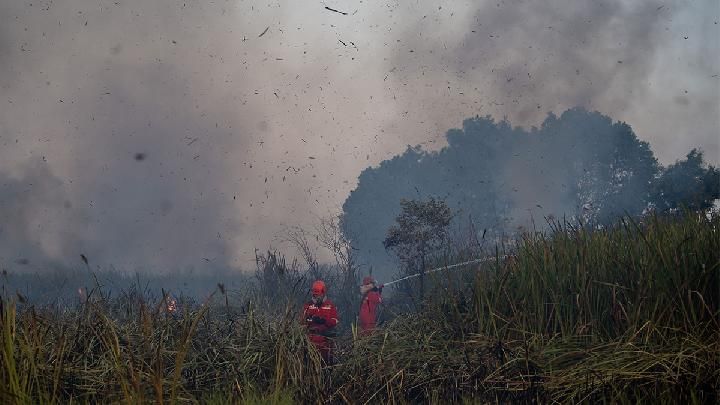
Volunteers battling wildfires at Tanjung Puting National Park in Central Kalimantan have issued an urgent appeal for government water-bombing aircraft as flames continue spreading through one of the world's most critical orangutan habitats. The park shelters an estimated 6,000 Bornean orangutans, one of the largest wild populations of the endangered species.
A video posted by the Central Kalimantan Green Orangutan Foundation on Instagram on Sunday, October 11, 2026, has drawn more than 10 million views. In the footage, a joint team of foundation volunteers and members of the Indonesian Tour Guide Association read an open letter urging authorities to deploy aerial firefighting resources after their ground efforts failed to halt the advancing flames.
Foundation Chair Vira Efendi reported that wildfires began moving toward the national park on Wednesday, September 16, 2026. Since then, 30 volunteers have attempted to extinguish the blazes with limited equipment.
We found several animals dead and dying
The park, which was originally declared a game reserve in 1935 and achieved National Park status in 1982, now faces one of its most severe threats in decades. The ongoing fires have proven exceptionally difficult to control due to the nature of Indonesia's peatlands, which hold approximately 36 percent of the world's tropical peatlands. Of the country's 24 million hectares of peatland, an estimated 16 million hectares have become more vulnerable to fire due to ecosystem damage.
Peatland fires present unique challenges for firefighters. These blazes produce approximately three times more fine particulate matter than regular forest fires and can smolder underground as so-called zombie fires for weeks, making complete extinguishment extremely difficult even with sustained efforts.
Nationwide Crisis Intensifies
The situation at Tanjung Puting reflects a broader national emergency. From January through June 2026, fires affected 107,465 hectares of land across Indonesia, representing a 110 percent increase compared with the same period in 2023. MapBiomas Fire Indonesia, a monitoring platform developed by the Auriga Nusantara Foundation, detected 82,400 hectares of burned land across 210 conservation areas between January and August 2026, including 46 national parks.
The flames have swept through habitats of multiple protected and endangered endemic species. At least 20,360 hectares of forest and land in key habitat areas for tigers, orangutans, rhinos, and Sumatran elephants have burned.
Central Kalimantan's provincial Emergency Alert, which extends through October 31, 2026, covers multiple districts including West Kotawaringin where Tanjung Puting is located, as well as East Kotawaringin, Kapuas, Sukamara, Seruyan, and Palangka Raya.
Complex Response Challenges
The Indonesian government has mobilized significant resources to combat the crisis, deploying 64 aircraft and 54,394 personnel as of September 2026. The response includes water-bombing operations and ground crews from the Indonesian National Armed Forces, police, and disaster management agencies.
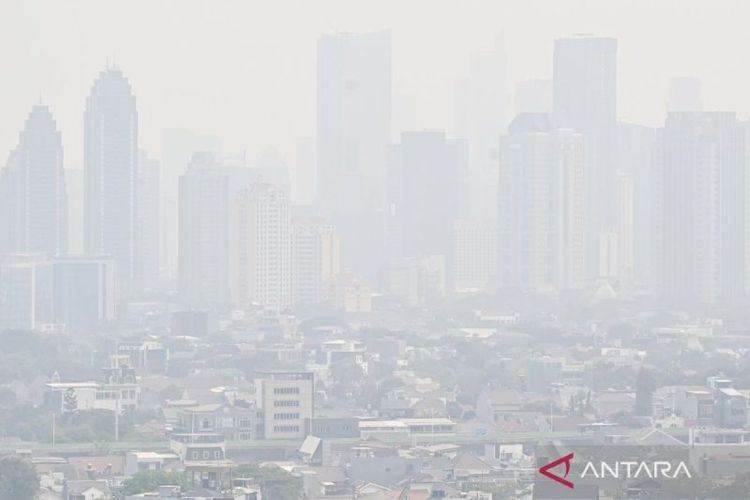
However, operational challenges have hampered firefighting efforts. Poor visibility from haze has hindered water-bombing operations, with visibility reportedly dropping below 50 meters in some affected areas. Air Pollutant Index readings have reached 1,000 in parts of Kalimantan, creating hazardous conditions that limit when aircraft can safely operate.
Authorities suspect human activities involving land clearing for agriculture, mining, and plantation development are the main driving factors behind the wildfires. These conditions have been worsened by the dry season caused by the developing 2026-2027 El Niño event.
Indonesia's Forestry Ministry has imposed administrative sanctions on 32 companies in connection with forest and land fires that devastated 12,926.74 hectares across seven provinces, including Central Kalimantan, as part of accountability efforts to address the crisis.