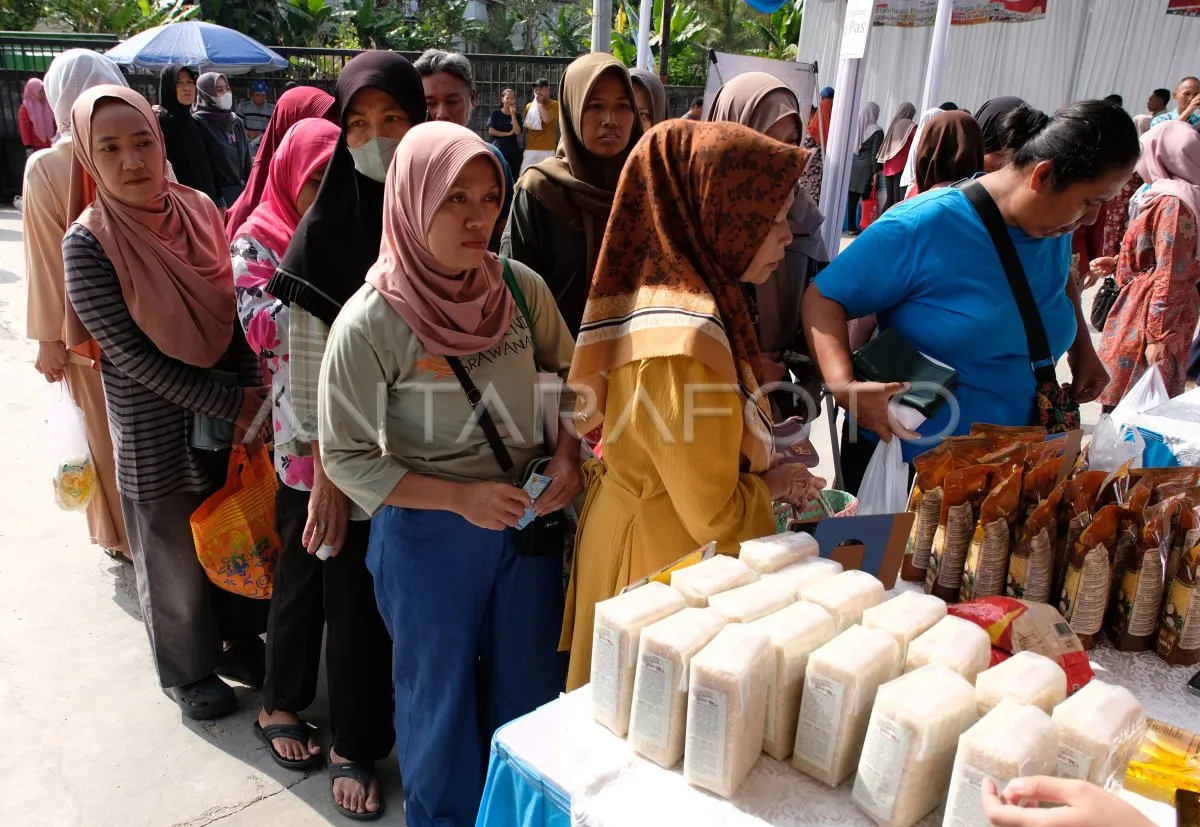
Joint effort in Magelang
The market combined the Synergy of Food Inflation Control Movement (SIGAP) and the Cheap Food Movement (GPM), according to Antara Foto. Bank Indonesia, the Central Java provincial government, the Regional Inflation Control Team (TPID), Bulog and other agencies jointly organized the activity.
The Magelang event is part of Indonesia's national food-inflation program, GPIPS (Gerakan Pengendalian Inflasi dan Pangan Sejahtera). Its local aim was to keep basic foods available at prices residents could afford.
Central Java's food-price efforts
Central Java's provincial government and its 35 regencies and cities had held 1,724 GPM events in 2026, generating total turnover of Rp31,032,488,764, according to an October 21 detikNews report citing provincial Food Security Office head Widi Hartanto.
Participants included Perum Bulog, state and regional enterprises, cooperatives, farmer groups, village enterprises and private partners.
As of late October, Central Java's inflation rate was reported at 3.18%, compared with 3.28% nationally. Mohamad Noor Nugroho, head of Bank Indonesia's Central Java representative office, said food-price stability still faced challenges from El Nino, rat infestations, distribution costs and seasonal increases in demand.
National program and inflation targets
Bank Indonesia and the central and regional governments officially launched GPIPS in Sidoarjo, East Java, on May 13, 2026, to strengthen the earlier GNPIP (Gerakan Nasional Pengendalian Inflasi Pangan) program. GPIPS uses the "4K" strategy, covering price affordability, supply availability, smooth distribution and effective communication.
The Cheap Food Movement had held more than 5,200 events across 36 provinces by early June 2026, while 2,890 food kiosks, known as Kios Pangan, had been operated nationwide. Yudhi Harsatriadi Sandyatma, head of the Food Supply Stabilization Working Team at the National Food Agency (Bapanas), presented those figures at a Bank Indonesia seminar in Jakarta on June 10.
The government has set an inflation target of 2.5±1% for both 2026 and 2027. Separately, the Central Inflation Control Team agreed at its January 29, 2026, High Level Meeting on a target range of 3.0-5.0% for volatile food inflation.
Bank Indonesia reported annual headline consumer price inflation of 2.42% in April 2026. Volatile food inflation that month was 3.37%, within its target range.