Formal job growth trails overall gains
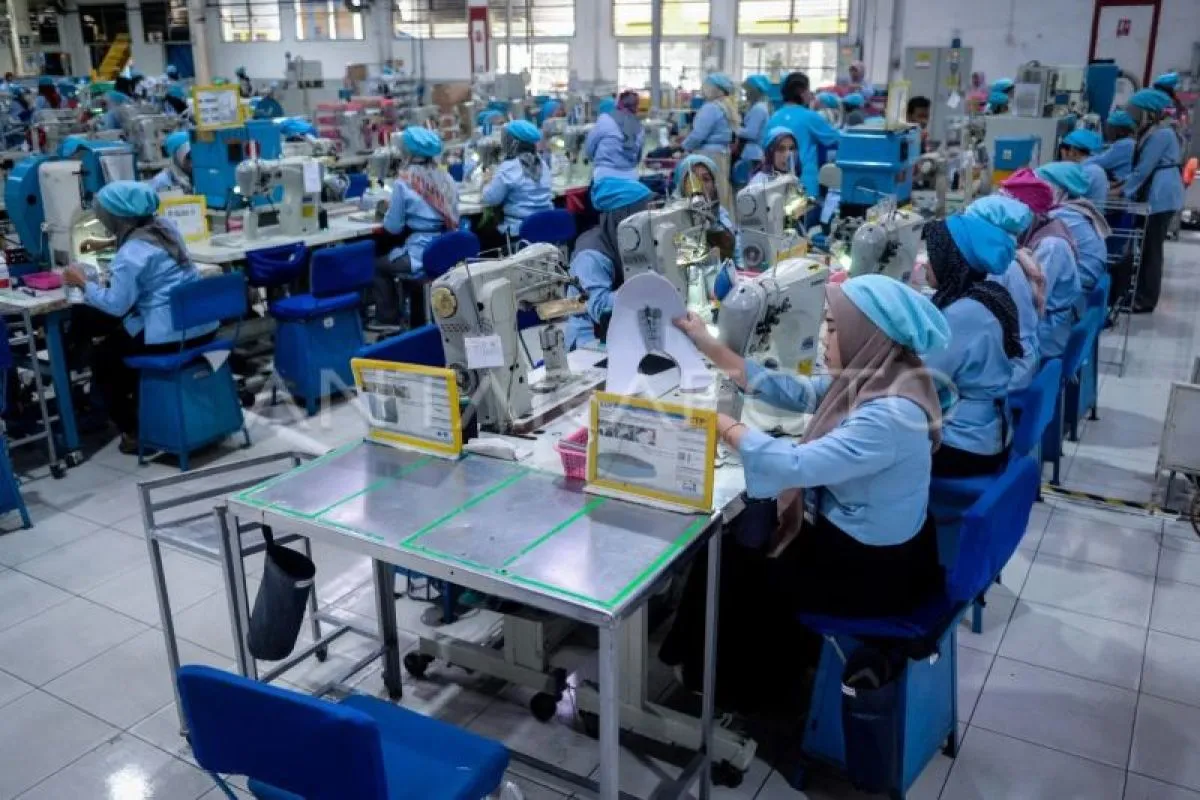
Formal workers accounted for 42.07 percent of employment in August 2026, compared with 42.20 percent in August 2025, according to BPS data reported by Jakarta Globe. Their number increased from 61.84 million over that period.
At a press conference on Thursday, November 5, M. Edy Mahmud, BPS deputy for balance sheet and statistical analysis, attributed the increase to growth in the ranks of laborers, employees, and civil servants.
Informal employment increased from 84.70 million to 85.73 million over the same year. Its share of all workers edged up from 57.80 percent to 57.93 percent.
Unemployment falls, participation also declines
Across both formal and informal work, BPS counted 147.99 million employed people in August 2026, up 1.44 million from a year earlier. The labor force totaled 155.37 million, an annual increase of 1.366 million.
The open unemployment rate dropped by 0.10 percentage point, from 4.85 percent in August 2025 to 4.75 percent in August 2026. About 77,000 fewer people were unemployed, bringing the total to 7.38 million. Jakarta Globe described the rate as the lowest since the Covid-19 pandemic.
Labor force participation nevertheless declined. The Labor Force Participation Rate (TPAK) was 70.33 percent, compared with 70.59 percent a year earlier, a decrease of 0.26 percentage point. Participation stood at 84.16 percent among men and 56.37 percent among women; both rates were lower than a year earlier.
Indonesia's working-age population grew by 2.74 million to 220.91 million in August 2026. Meanwhile, 65.54 million people were outside the labor force, an increase of 1.38 million.
How BPS classifies working hours
Mahmud said the International Labour Organization's definition counts a person as employed if they worked for at least one hour in the reference week. BPS further groups employed people by their weekly hours and whether they seek or are available for more work.
Those working at least 35 hours a week are classified as full-time workers. In August 2026, this group numbered 99.85 million and represented 67.47 percent of employed people.
Among people working fewer than 35 hours a week, BPS counted 35.29 million part-time workers, or 23.85 percent of employment. These workers were neither seeking nor available for additional work. Another 12.84 million people, or 8.68 percent, were classified as underemployed because they were seeking or available for additional work.
Agriculture leads employment; education levels shift
Agriculture employed the largest share of workers in August 2026, at 28.20 percent. Wholesale and retail trade followed with 17.86 percent, while manufacturing accounted for 13.75 percent.
By educational attainment, the largest group consisted of people with no more than an elementary school education, who represented 33.89 percent of employed people. About 13.37 percent held a diploma or had a tertiary education.
Mahmud said the educational mix had shifted since August 2025: the share with an elementary education or less had declined, while the share with a diploma or higher education had increased.