Nine-month results and full-year figures
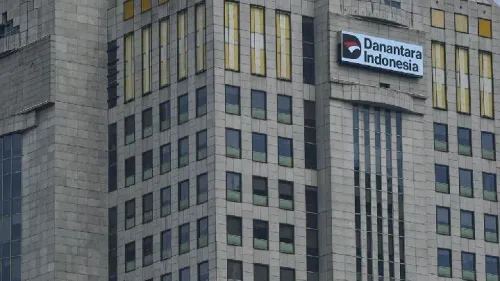
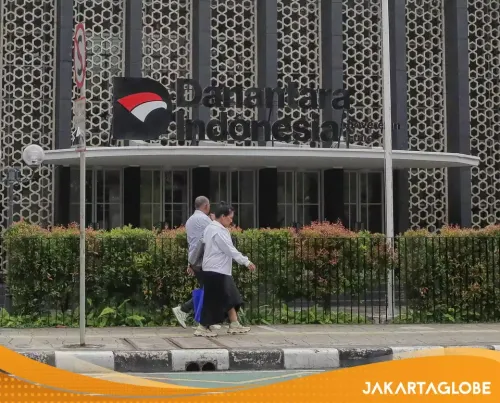
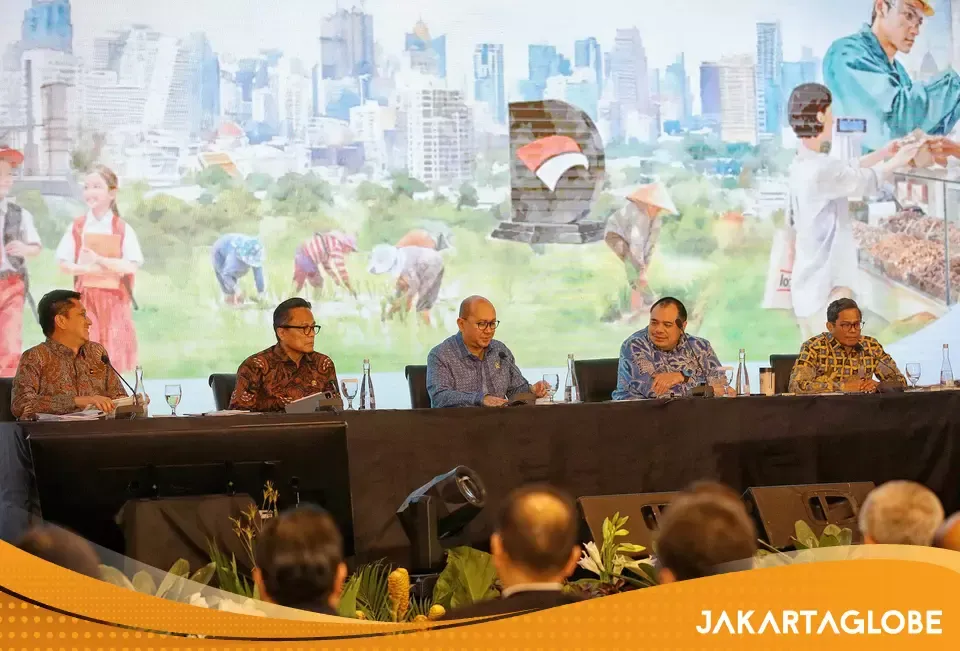
The audited accounts cover April through December 2025, after an in-kind transfer of state-owned enterprise (SOE) shares in March. During those nine months, Danantara generated Rp 2,385.2 trillion in operating revenue and Rp 563.1 trillion in net cash flow from operating activities. Indonesia's Supreme Audit Agency (BPK) gave the 2025 consolidated financial statements an unqualified opinion, known as Wajar Tanpa Pengecualian (WTP).
Danantara also presented unaudited pro forma results for the full January-December 2025 period: Rp 259.6 trillion in consolidated net profit, Rp 3,073 trillion in operating revenue and an 8.7% return on equity. These figures cover a different period from the audited profit cited by Toto.
At December 31, 2025, the fund held consolidated assets of Rp 11,607 trillion. Equity totaled Rp 2,980 trillion, a 5.6% increase from March 31, 2025.
Formally named Badan Pengelola Investasi Daya Anagata Nusantara (BPI Danantara), the fund was established under Law No. 1 of 2025 and launched on February 24, 2025. It operates independently under the president, with responsibility for managing and optimizing government investments and SOE assets.
Unfinished overhaul and changing capital support
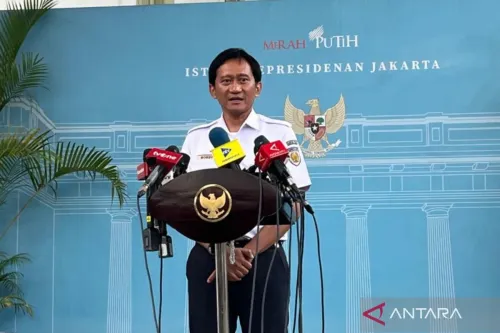
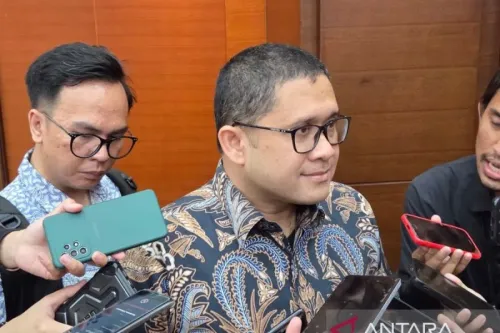
Toto, managing partner of the SOE Research Group at the University of Indonesia's Faculty of Economics and Business (LM FEB UI), attributed the lower profit to consolidation and restructuring still underway following Danantara's establishment.
"The decline in consolidated profit in 2025 reflects the fact that Danantara has yet to complete its SOE streamlining program," he said in a statement Wednesday, November 25, discussing the fund's first-year results.
He expects the completion of restructuring to improve financial performance through more efficient management of assets and operations. In his view, streamlining would also help SOEs create more value. Danantara said that by October 2026, 364 of approximately 1,074 SOE entities had been streamlined. Its target is 250-300 entities, with potential annual efficiencies of up to Rp 50 trillion.
Profits remain concentrated in a small group of businesses. According to The Business Times, six state-owned companies account for about 90% of Danantara's profit, mainly in banking, with others in energy, mining and telecommunications.
Toto also welcomed reduced state capital injections, or Penyertaan Modal Negara (PMN). He said Danantara's direct management of SOE profits and dividends had changed how the companies' finances and capital support are handled.
PMN allocations dropped from Rp 54.6 trillion in 2022 to Rp 4.7 trillion in 2025. The 2025 funding went to PT Pelni, PT Kereta Api Indonesia (KAI) and PT Industri Kereta Api (INKA) for project assignments.
Investment plans and employment priorities
Toto said the transformation should deliver more than stronger consolidated earnings and better management of state assets. He urged Danantara to support economic growth by investing in the real sector, emphasizing projects that create jobs and expand business activity.
"Danantara's investment in the real sector should prioritize projects capable of absorbing significant numbers of workers," he said.
The Business Times reported that Danantara held an investment portfolio of about Rp 162 trillion as of October 2026, including Rp 60.6 trillion invested in public markets. The fund expects dividend receipts of Rp 100-160 trillion in 2026 and Rp 140-160 trillion in 2027.
Danantara is targeting Rp 421 trillion in investment deployments in 2027, compared with about Rp 248 trillion in 2026, according to The Business Times.