Access to menstrual products as a policy concern
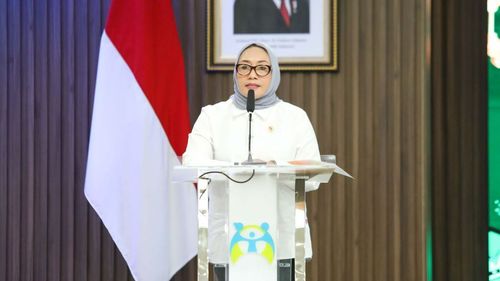
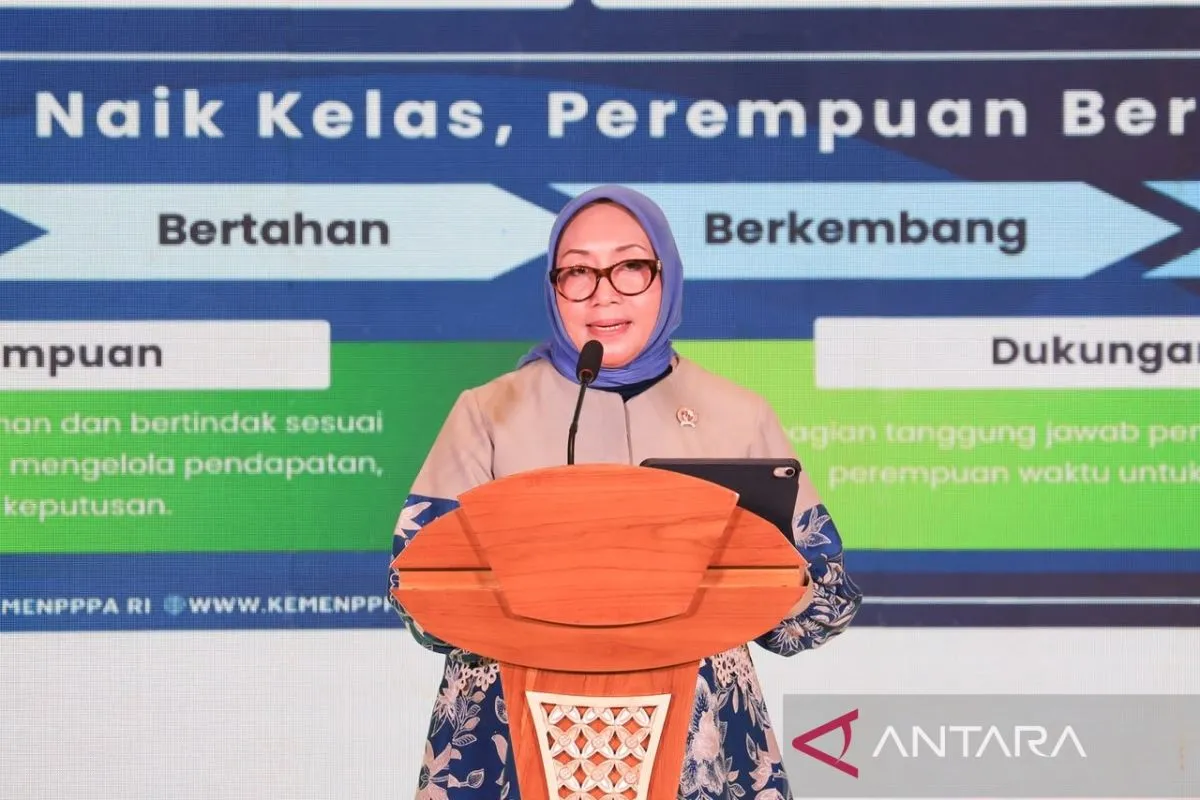
Speaking in Jakarta on November 1, Fauzi said her ministry was committed to making gender justice and the effects of policy on women's basic needs part of decision-making across sectors, Antara reported.
"Menstruation is a natural biological process that is part of women's reproductive cycle, experienced routinely and impossible to avoid," she said. Fauzi called for support from multiple parties to make safe, adequate and affordable menstrual products accessible, particularly to vulnerable people and those with low incomes.
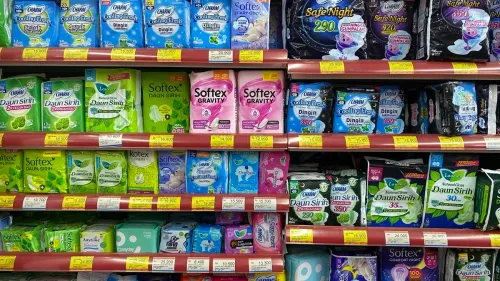
She described sanitary pads and other menstrual hygiene products as necessities tied to reproductive health rights. Access to them, she said, helps women maintain hygiene, comfort and health while going about daily life safely and with dignity.
Fauzi urged policymakers to consider women's specific needs in every policy, including a gender perspective in measures affecting menstrual products. "When women's needs are considered in every policy, we are actually building healthier families, a more inclusive society, and a more equal and prosperous Indonesia," she said.
Tax rules and calls for repeal
The Directorate General of Taxes confirmed in late October 2026 that sanitary pads remain taxable in Indonesia at an effective VAT rate of 11 percent under Minister of Finance Regulation No. 131 of 2024, according to MUC Consulting, which cited the directorate.
Sanitary pads do not qualify for the exemptions in Government Regulation No. 49 of 2022. That regulation exempts goods including rice, corn, sago, soybeans, salt, meat, eggs, milk, fruits and vegetables.
The National Commission on Violence Against Women, known as Komnas Perempuan, challenged the tax in an October 30 press release. Vice Chairperson Dahlia Madanih said the 11 percent VAT on menstrual products reflected gender bias by overlooking women's reproductive-health needs, Kompas.com reported. She argued that the government should secure access to these necessities rather than impose an additional financial burden on biological needs women cannot avoid.
The Indonesian Consumers Foundation, or YLKI, also called on October 30 for VAT to be removed from sanitary pads and other menstrual hygiene products, according to Jakarta Globe. Chairwoman Niti Emiliana said the tax placed a disproportionate burden on low-income women and deepened economic inequality. Instead, she urged the government to raise revenue by broadening the tax base, improving taxpayer compliance and closing budget leakages.
Different tax approaches abroad
Jakarta Globe reported that Kenya abolished taxes on menstrual products in 2004, while Australia, Canada and India have removed national-level sales or consumption taxes on them. Germany reclassified menstrual products as essential items in 2020 and lowered their VAT rate from 19 percent to 7 percent.
Other countries retain higher rates: Hungary applies 27 percent VAT to menstrual products, Denmark and Sweden each apply 25 percent, and Greece applies 24 percent, the report said.