
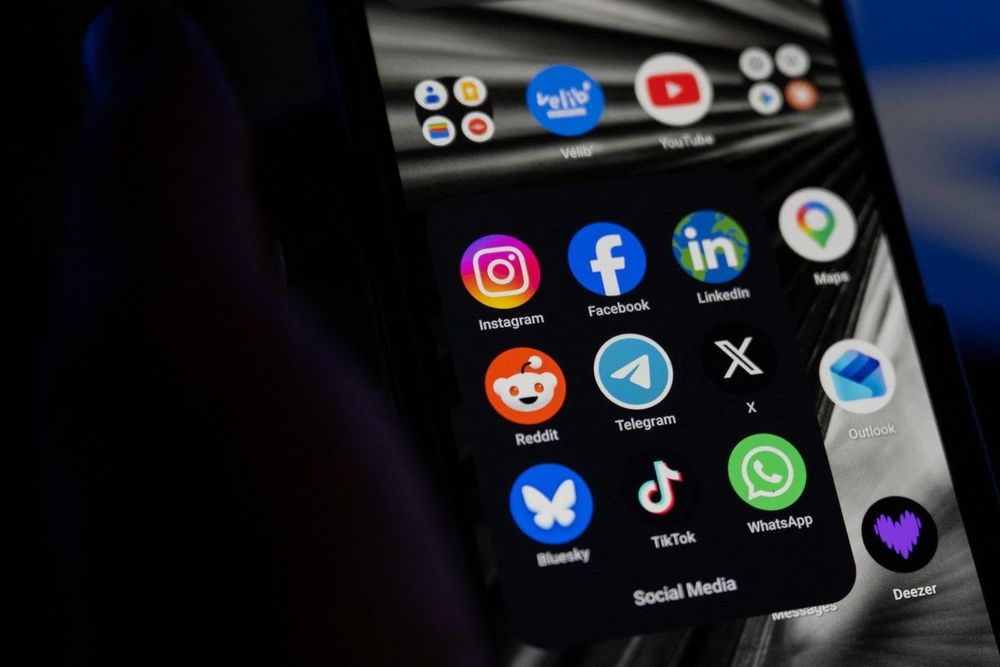
France submits revised social media ban proposal after constitutional rejection
The French government has submitted a revised proposal to ban social media for children under 15, President Emmanuel Macron announced Monday, following the constitutional court's rejection of earlier legislation that aimed to impose similar restrictions.
The Constitutional Council struck down the previous law on August 14, 2026, ruling that it violated freedom of expression and privacy rights protected by Article 11 of the Declaration of the Rights of Man and of the Citizen of 1789. While acknowledging that protecting children constitutes a legitimate objective that could justify limiting minors' access to social media services, the court found the specific implementation inadequate.
"After rigorous technical work the government today is notifying" the European Commission of the new draft, Macron wrote on X. The notification represents a critical procedural step, ensuring the legislation complies with European Union laws before implementation.
The revised proposal comes after parliament had passed the original ban with substantial support, with the National Assembly voting 279 to 81 in favor on July 21, 2026. The government is now aiming to have a working ban in place by spring 2027 at the latest, before Macron's term ends in April 2027.
France's ongoing efforts to regulate children's digital access
France has been progressively tightening restrictions on children's digital access. Mobile phones have been banned in primary and middle schools since 2018, and the struck-down legislation would have extended this prohibition to high schools. In 2023, France passed a law requiring social platforms to obtain parental consent for minors under 15 to create accounts, though technical challenges have impeded its enforcement.
Macron has designated the social media ban as one of his top priorities and is advocating for similar legislation throughout the European Union. European Commission President Ursula von der Leyen is scheduled to address a possible bloc-wide social media ban for children in a speech in Brussels this week.
The European Commission announced in July 2026 that it would impose EU-wide age-based restrictions for minors across social media platforms. An expert panel recommended that minors under 13 years should only have time-limited access with parental supervision. The European Parliament had earlier adopted a proposal in November 2025 calling to ban social media for teenagers under 16 to combat rising mental health problems among adolescents from excessive exposure.
Global movement toward youth social media restrictions
France's initiative aligns with a growing international movement to restrict children's social media access amid mounting concerns over harmful effects on young users. Australia implemented the world's first nationwide social media ban for children under 16 in December 2024, with platforms facing fines up to A$50 million for non-compliance. The ban came into effect in December 2025.
Multiple European countries are pursuing similar restrictions. Denmark has announced plans for an under-15 ban, while Greece has committed to enforcing social media age restrictions starting January 2027. Spain, Norway and the United Kingdom are also advancing legislation to limit children's access to social platforms.
The revised French proposal must navigate the constitutional constraints identified by the court while achieving the government's policy objectives. The outcome will likely influence regulatory approaches across Europe as countries grapple with balancing child protection concerns against fundamental rights to expression and communication.