Turning rights commitments into public services
Pigai pointed to children attending school, sick people receiving treatment and workers being protected as practical tests of development. He also cited the ability of people with disabilities to use public services independently and the right to a healthy environment. "That is where the relationship between development and human rights becomes real," he said.
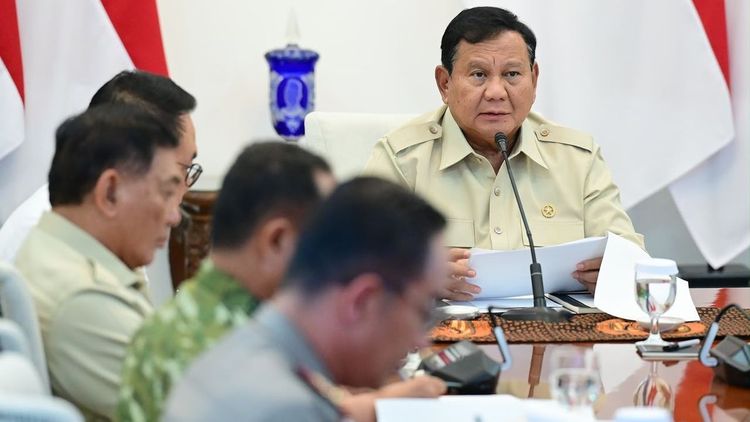
He linked the government's development direction to its human rights obligations, saying the rights agenda aligns with President Prabowo Subianto's Asta Cita vision and the 1945 Constitution. That alignment, he said, needs to shape policies, planning, budget decisions and public services.
The meeting sought agreement on national priorities and concrete follow-up measures, according to IDN Times. The ministry said progress should be measured through improvements in people's lives, particularly among those with the least access to services and the fewest opportunities to be heard.
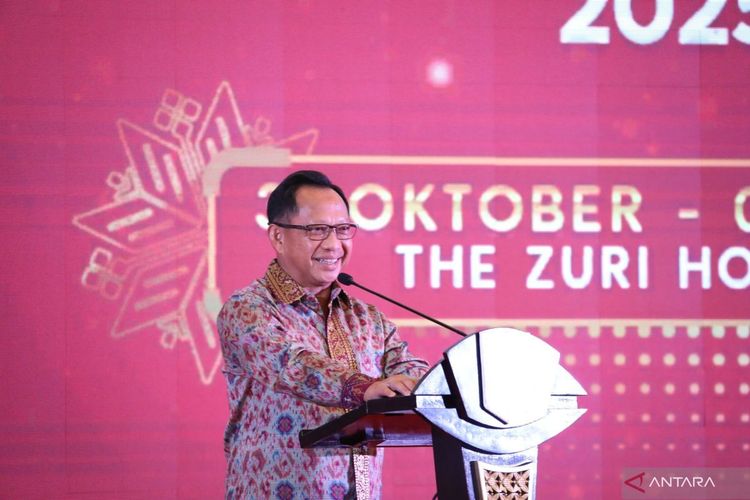
Pigai said the gathering offered broad public participation in decision-making. Participants described as "human rights drivers" represented residents of remote areas, vulnerable groups and people who face barriers to accessing services fully and safely.
Village mapping and grassroots outreach
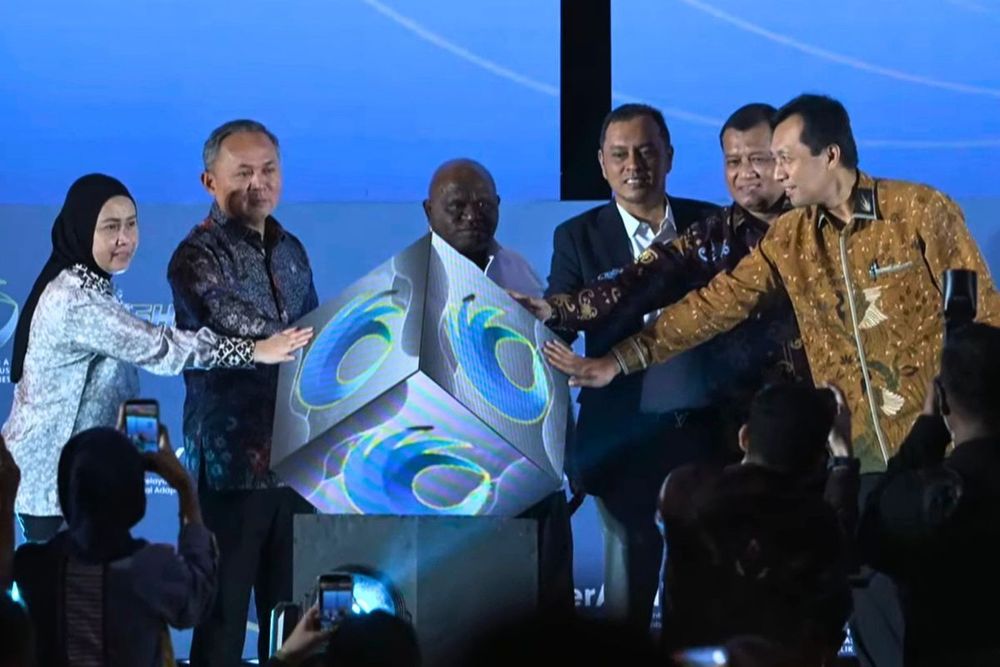
A map showing how basic rights needs are being met at the village level was launched at the event as a tool for data-based policymaking.
The map is connected to the ministry's Human Rights-Conscious Village program. In August 2026, the ministry said its first phase involved deploying 150,000 personnel across Indonesian villages. Their mapping covered poverty, unemployment, social assistance needs, clean water and sanitation access, and damage to basic infrastructure, including roads and bridges.
The ministry is also recruiting 200 human rights facilitators for assignments in villages and urban wards to bring its programs to grassroots communities, according to an October 20, 2026, report carried by Jawawa.
The same report said parliament had approved Rp953.1 billion for the ministry's 2027 budget. Pigai said the allocation would focus on services to respect, protect, fulfill, uphold and advance human rights, known as P5HAM. Speaking at a working meeting, DPR Commission XIII chair Willy Aditya said Indonesia was the third country in the world with a dedicated human rights ministry, after Brazil and Pakistan.
Commemorations and emerging rights issues
Held under the theme "Strengthening Participatory, Responsive, and Anticipatory Human Rights Development Planning," the meeting also opened a series of activities commemorating the 78th World Human Rights Day on December 10. Alongside the planning meeting, the series includes the 2026 Coordination Meeting of Human Rights-Aware Villages and the Human Rights Ministry's 2nd Service Day.
Pigai said discussions also addressed the human rights dimensions of artificial intelligence, neurorights, climate change, the energy transition and demographic dynamics.