Prabowo Orders Minister of Law to Simplify Regulations
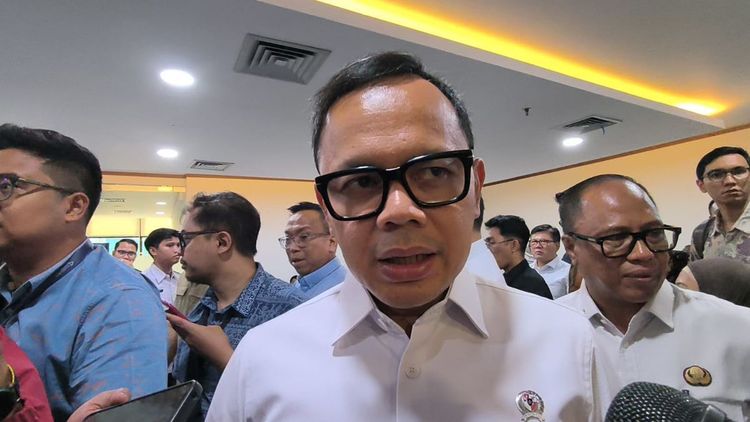
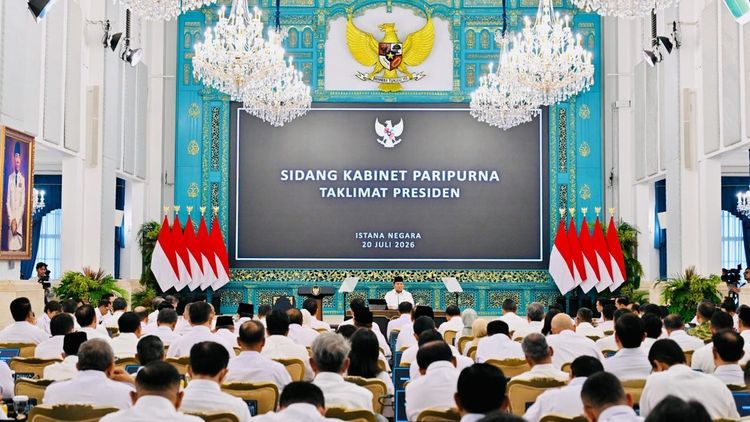
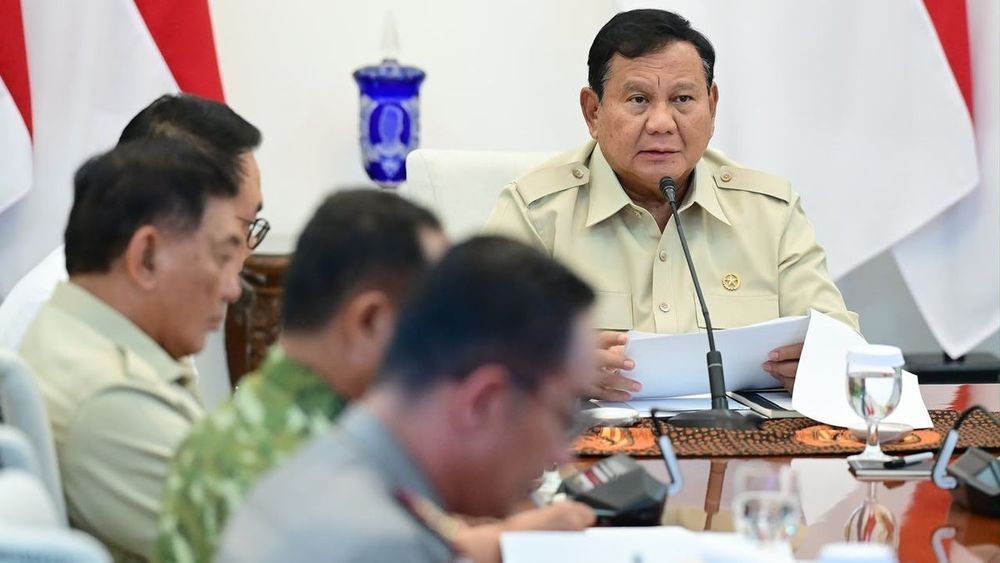
Minister of Law Supratman Andi Agtas revealed on Thursday that President Prabowo Subianto has directed the government to undertake a sweeping simplification of Indonesia's regulatory framework to facilitate faster and more efficient public services.
Speaking at the National Legal Development Forum at the Ministry of Law in Jakarta on October 15, 2026, Supratman emphasized the urgency of the presidential directive. "The President's directive is clear: Simplify regulations! Development and public service must not be hindered by convoluted rules and procedures," he stated.
The directive represents the latest phase of President Prabowo's broader deregulation campaign. In May 2026, the president ordered State Secretary Minister Prasetyo Hadi to establish a special deregulation task force after receiving complaints that businesses faced up to two years for licensing approvals in Indonesia, compared to just two weeks in neighboring Southeast Asian countries.
In his January 2026 address at the World Economic Forum in Davos, President Prabowo outlined his administration's efficiency agenda, noting that the government saved $18 billion in its first two months by eliminating inefficient programs. He stressed that achieving the administration's mission requires simplifying rules and eliminating bureaucratic red tape.
Comprehensive Review of Existing Regulations
To implement the president's directive, the Ministry of Law will conduct a thorough review of regulations deemed unnecessary or overly burdensome. Supratman, a member of the Gerindra Party who has served as Minister of Law since October 21, 2024, outlined plans to simplify complex processes and expedite licensing procedures.
"Regulatory simplification is not just an option but a necessity to support development and improve service quality," the minister remarked.
The push for regulatory reform addresses longstanding challenges in Indonesia's investment climate. Foreign investors have consistently cited restrictive regulations, legal uncertainty, bureaucratic inefficiency, and economic nationalism as major obstacles to doing business in the country. Local content requirements, known in Indonesia as TKDN, have been identified as among the most significant barriers facing foreign businesses.
President Prabowo has pledged to make TKDN regulations more flexible, acknowledging that overly rigid local content rules make Indonesian companies less competitive in global markets.
Measuring Success Beyond Numbers
Supratman emphasized that the success of regulatory adjustments cannot be measured solely by the reduction in the number of regulations. Instead, he said, effectiveness should be evaluated based on increased legal certainty, reduced burden and costs for the public and businesses, improved investment climate, and enhanced budget efficiency.
"Deregulation is not merely about replacing old regulations with new ones of similar substance," Supratman explained. "It is about improving regulations to make them simpler, more coherent, and not obstructive to development."
The minister urged all stakeholders to ensure that every process, from planning and establishing regulations to monitoring and evaluation, functions as an interconnected system.
Building on Previous Reform Efforts
The current simplification initiative builds on Indonesia's 2020 Omnibus Law on Job Creation, which was revised and enacted in March 2023. That comprehensive legislation amended more than 75 existing laws and required the central government to issue over 30 implementing regulations. The Omnibus Law introduced risk-based business licensing, streamlined environmental requirements, and reduced bureaucratic barriers to improve the investment climate.
Despite these earlier reforms, the need for continued regulatory simplification remains pressing, as evidenced by ongoing investor concerns about the complexity of Indonesia's regulatory environment.
Progress in Digital Legal Infrastructure
Supratman reported significant progress in modernizing Indonesia's legal information infrastructure. As of 2026, the ministry has received 970 requests for harmonization of regulations at the national level and 10,300 at the local level.
The National Legal Documentation and Information Network (JDIHN), established under Presidential Regulation No. 33/2012, has become a centralized system for accessing legal documents and regulations across government institutions. "Currently, there have been 10,278,423 accesses to 697,325 documents," Supratman noted, highlighting the platform's growing importance.
The ministry has also made substantial progress in regulatory consolidation. Results from expose reviews of regulations have been completed 1,176 times through October 2026. The Ministry of Law has consolidated 195 ministerial regulations into 34 streamlined regulations, demonstrating tangible progress in reducing regulatory complexity.
Broader Legal Service Improvements
Beyond regulatory simplification, the Ministry of Law has expanded access to justice through the establishment of 83,960 legal aid posts (Posbankum) across villages and urban wards nationwide. These posts have successfully resolved 14,000 out of 16,000 complaints through out-of-court mediation as of October 2026, demonstrating the effectiveness of accessible legal services.
"All these efforts demonstrate that the transformation of regulatory governance must proceed through the simplification of regulations, strengthening services, utilizing data, and monitoring and evaluation to ensure laws are of higher quality and impact," Supratman concluded.
The minister's remarks underscore the Prabowo administration's commitment to creating a more business-friendly regulatory environment while improving government responsiveness to public needs.