
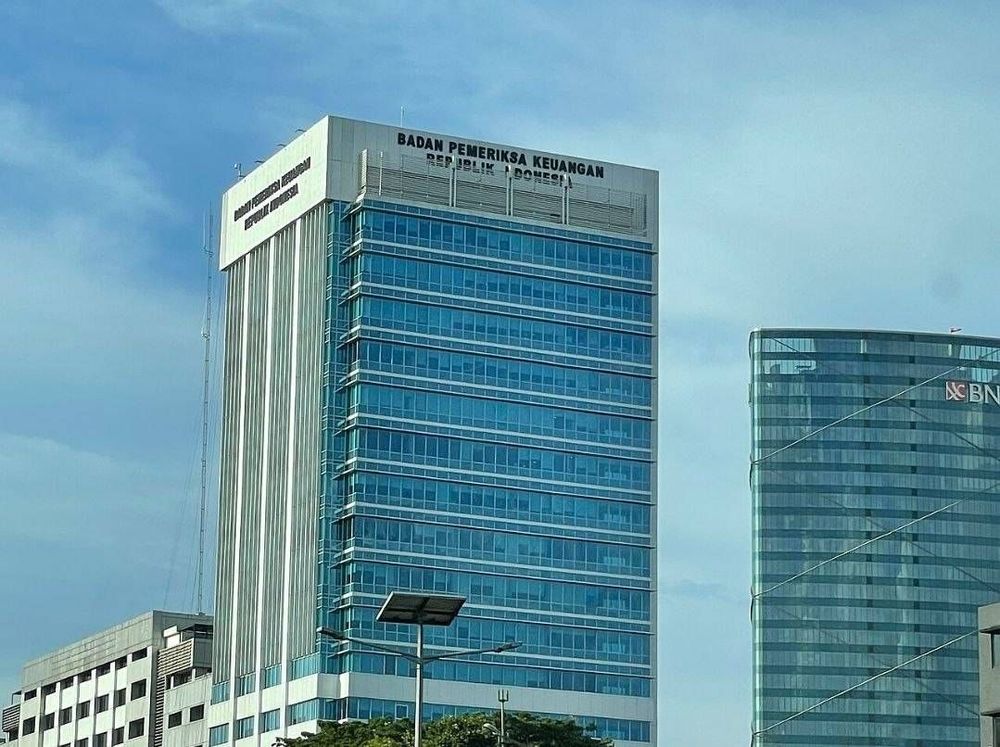
BPK: 198 Local Govts at Risk of Short-Term Debt Repayment Difficulties
Indonesia's Audit Board has identified severe liquidity problems affecting 198 local governments across the archipelago, warning that these administrations may struggle to meet immediate financial obligations to creditors and suppliers.
The Audit Board of the Republic of Indonesia (BPK), an independent constitutional body that reports directly to parliament, released its findings in the Summary of Audit Results for the first semester of 2026. The document reveals that 198 local governments—representing more than one-third of Indonesia's 552 regional administrations comprising 38 provinces, 416 regencies, and 98 municipalities—face critical budget management challenges.
The core problem centers on insufficient budget surpluses. These local governments have recorded values of Excess Budget Financing, known locally as SiLPA, that fall below their total short-term obligations. SiLPA represents the difference between revenue and expenditure budgets during a budget period, essentially functioning as a remaining budget balance or surplus.
The situation represents an early warning signal of potential payment difficulties that could affect contractors, suppliers, and other creditors who provide goods and services to regional governments. BPK emphasized that stakeholders need to monitor this development closely to anticipate and mitigate risks of delayed payments.
Scope of the Audit Findings
The liquidity concerns emerged from BPK's comprehensive audit program during the first half of 2026, which encompassed 762 separate audit reports. The audit work included 706 financial audits, 20 performance audits, and 36 special purpose audits. During this period, BPK's identification of financial irregularities contributed to the recovery of Rp49.28 trillion in state finances.
Of 546 local government financial statements examined, 509 received unqualified opinions, 35 received qualified opinions, and two received disclaimers of opinion. The data indicates that liquidity problems and overall financial statement quality represent distinct issues, as many governments facing cash flow difficulties still maintained acceptable accounting standards.
Root Causes Identified
BPK's analysis identified several contributing factors behind the financial stress. Inadequate cash management practices emerged as a primary concern, creating heightened default risks on obligations to third parties.
The audit also found that some local governments diverted earmarked funds designated for specific purposes toward routine operational expenditures. This practice threatens the implementation of national priority programs that depend on dedicated funding streams.
Financial management deficiencies at Regional General Hospitals and Regional Public Service Agencies represent another vulnerability. These problems risk disrupting the continuity of healthcare and other essential public services delivered to communities.
Additionally, BPK discovered that numerous regional governments set unrealistic revenue targets, leading to expenditures that exceed actual fiscal capacity. This overspending pattern increases regional fiscal risk and jeopardizes both development initiatives and day-to-day public service delivery.
Broader Fiscal Context
The local government liquidity challenges occur against a backdrop of national fiscal pressures. Indonesia's state budget deficit through May 2026 reached Rp180.4 trillion, equivalent to 0.70% of GDP. Regional transfers from the central government to local administrations declined by 4.9% to Rp306.1 trillion during the first five months of 2026, potentially constraining local government resources.
Recommendations for Remediation
To address these financial vulnerabilities, BPK issued specific directives to affected regional heads. The audit board recommends prioritizing debt payment allocations when preparing Regional Revenue and Expenditure Budgets for the upcoming fiscal year.
Regional leaders should rationalize budget planning to ensure expenditures align with genuine financial capabilities and establish realistic revenue projections rather than aspirational targets.
BPK particularly emphasizes the need to strengthen cash management systems. Local governments must verify the availability of actual funds before issuing Fund Provision Letters authorizing spending commitments.
These measures aim to prevent default situations, preserve regional financial stability, and ensure uninterrupted delivery of public services and development programs. Historical data shows that 81.4% of BPK audit recommendations issued between 2005 and 2025 have been fully implemented by audited entities, suggesting reasonable prospects for compliance with the latest guidance.
The constitutional mandate granted to BPK under Article 23E authorizes the institution to audit central government, local governments, state institutions, Bank Indonesia, state-owned enterprises, public service agencies, and region-owned enterprises, providing the legal foundation for its oversight and recommendations.