Revised targets under discussion
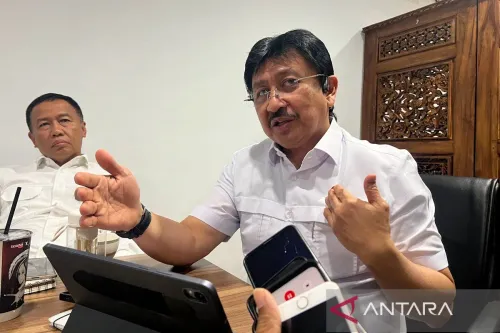
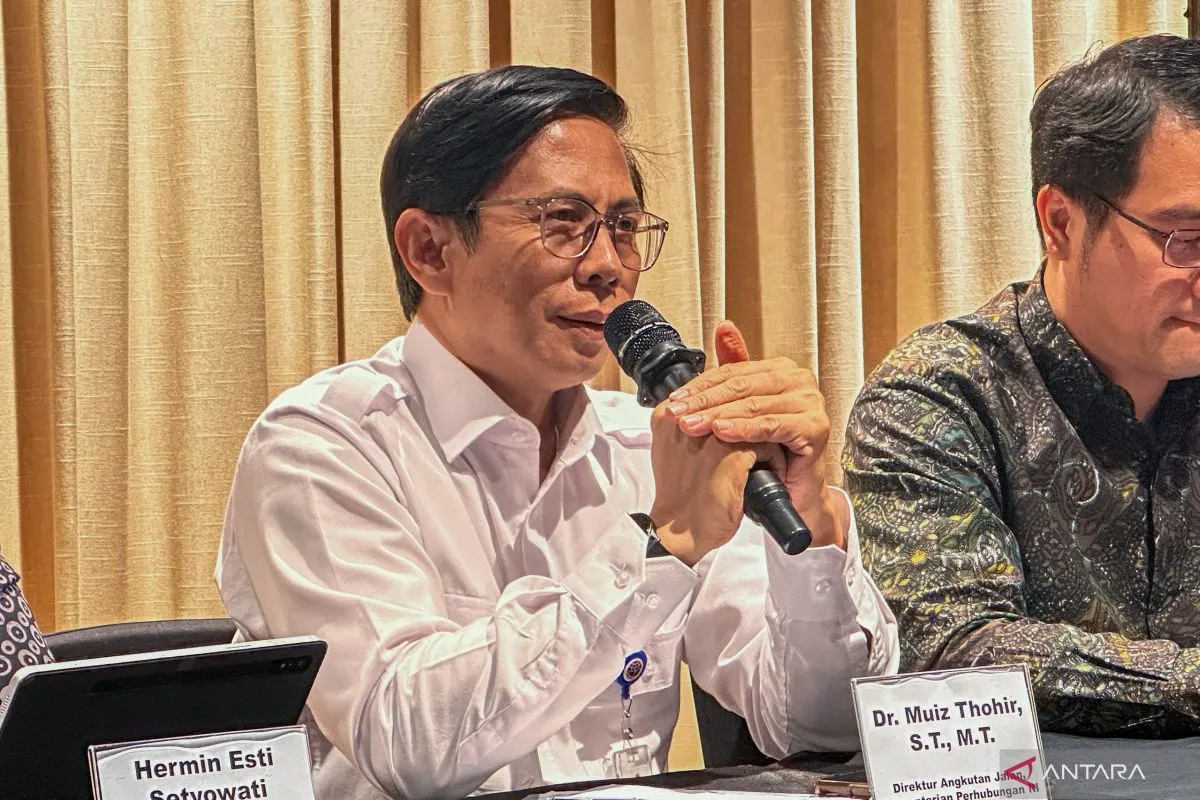
Speaking in Jakarta on November 4, Muiz said the ministry was reviewing the urban public transport electrification roadmap with the Institute for Transportation and Development Policy (ITDP) Indonesia. The discussions account for financing capacity and implementation challenges in different regions.
"We are proposing a revision. The previous target was 90 percent by 2030, but we are now considering around 80 percent by 2030, followed by 90 percent by 2040 and 100 percent by 2045," Muiz said.
The existing fleet remains far short of the government's ambitions. ITDP Indonesia counted about 506 electric buses operating in urban fleets nationwide as of September 2025.
City-level plans and operating costs
Jakarta's Transjakarta has a separate goal of making its entire fleet electric by 2030, with a target of 10,047 electric buses under Governor Decree No. 1053/2022. It operates around 500 electric buses as of 2026, compared with 100 in 2023 and 300 in 2024.
ITDP Indonesia reports that, by 2024, Transjakarta's electric buses cost about 5 percent less per kilometer to operate than its conventional diesel fleet. The result matched ITDP's earlier projections, despite the higher upfront investment required for electric buses.
For its national roadmap, ITDP Indonesia assessed 98 cities with support from regional climate foundation ViriyaENB. It selected 11 priority cities and recommended that they fully electrify their public bus fleets by 2030 as an intermediate step toward the national goal.
A legal framework and local planning tools
The ministry and ITDP are preparing a draft presidential regulation for urban public transport electrification. Muiz said they aimed to finish internal discussions on the regulatory framework in November 2026. He cautioned that developing a regulation could take time, while expressing hope that the concept being prepared with ITDP would be completed that month.
The proposal follows an interministerial dialogue that the ministry and ITDP Indonesia held in Jakarta on July 22, 2026. Participants agreed that a presidential regulation should provide the initial legal framework, establishing national electrification targets and assigning responsibilities to ministries, local governments, public transport operators and electric bus providers, according to ITDP Indonesia.
Proposed incentives remain under discussion, and Muiz said the ministry was not yet able to share details. Its collaboration with ITDP dates to 2023 and includes studies, policy recommendations and preparatory work for the regulation.
The partners have also created E-Bus Hub to support local deployment planning. The digital platform brings together information on electric bus distribution, policy references and simulation tools for local governments.
ITDP's estimates of potential benefits
An analysis ITDP Indonesia presented in July 2026 estimated that its proposed accelerated transition could avoid up to 8.8 million tons of CO2-equivalent emissions over 2027-2045. It also projected annual fuel subsidy savings of up to Rp2.7 trillion by 2045.
Figures cited by the ministry and ITDP Indonesia that July put transportation spending at 16-24 percent of household expenditure, based on 2023 Statistics Indonesia (BPS) data. They also attributed nearly 90 percent of the transport sector's greenhouse gas emissions to road transport.