OTT and the Threat of Moral Fatigue
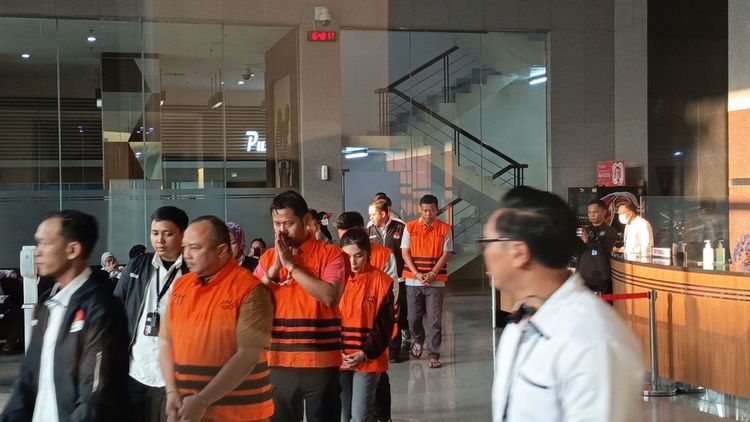
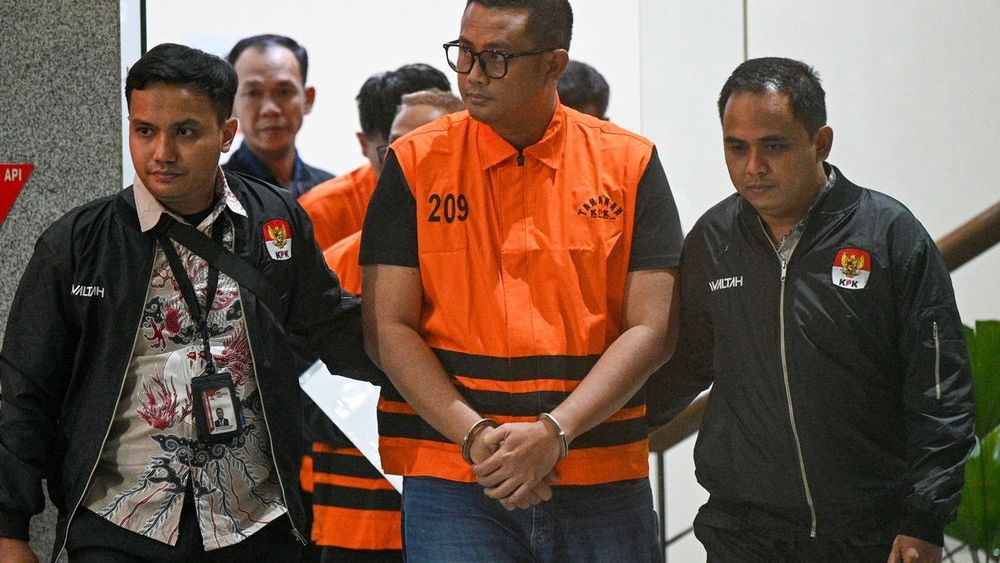
The Corruption Eradication Commission (KPK) arrested Klaten Regent Hamenang Wajar Ismoyo on October 15, 2026, in what has become an alarmingly familiar scenario. This marked the 23rd hand-catching operation (OTT) conducted by the anti-graft body in 2026 alone—a dramatic surge from just two such operations during the same period in 2025.
The operation netted several individuals from local government and the private sector, including Ahmad Luthfi H. Rahmatullah, Head of the Central Java Financial Audit Agency (BPK). Investigators seized approximately Rp 1.9 billion in cash, some allegedly stored in a barrel, and are examining suspected bribes paid to state auditors to manipulate audit findings in favor of the Klaten administration.
By the end of September 2026, the KPK had conducted 21 OTT operations, with 13 targeting regional heads elected in the 2024 elections. This represents a troubling pattern: of the 20 regional heads from those elections now implicated in corruption cases, offenses range from disaster aid fund embezzlement to project extortion, procurement bribery, position trading, money laundering, and gratification.
The Klaten arrest marks the sixth regional head detained in Central Java alone throughout 2026, according to Governor Ahmad Luthfi. In the first half of the year, seven regional leaders—six regents and one mayor—were arrested, making them the most frequently apprehended group among KPK targets.
From Shock to Shrug
What was once shocking has become routine. When corruption arrests occurred rarely, the public responded with outrage. Now, each new OTT barely registers beyond a collective sigh. Society risks slipping into moral fatigue—a dangerous state where corruption is no longer viewed as criminal deviance but as standard bureaucratic procedure.
This normalization carries profound implications. When a new official takes the oath of office, the public no longer asks about work programs or policy priorities. Instead, whispers circulate about how long until the next arrest. Corruption becomes perceived not as an individual moral failing but as an unwritten bonus attached to every government position.
The System Behind the Scandal
Minister of Home Affairs Tito Karnavian has identified a systemic cause: the extraordinarily high political costs of becoming a regional head far exceed official salaries. Many officials enter office burdened by campaign debts, then resort to corruption to recoup their investments through project kickbacks, procurement manipulation, and position sales.
The Klaten case exemplifies this cycle. Investigators are probing whether bribes were paid not only to enrich individuals but also to cover campaign expenses. The involvement of BPK auditors—officials meant to serve as a check on corruption—reveals how deeply the problem has penetrated oversight institutions themselves.
The KPK, established in 2003 under Law No. 30 of 2002, was granted extraordinary powers including wiretapping, asset freezing, and the ability to investigate without prior judicial approval. Yet despite these tools, the surge in corruption cases among newly elected officials suggests the problem has outpaced enforcement capacity.
The Dangerous Joke
Imagine the absurdity: an official stands solemnly, hand raised, taking the oath of office. The national anthem plays. Guests listen as the new leader pledges integrity, professionalism, and public service. Then someone whispers, "Congratulations. Now you just need to learn how the system works."
In a healthy bureaucracy, that phrase means understanding procedures and improving services. In a corrupt environment, it refers to mastering the art of deviation—how to extract money from budgets, whom to pay off, which auditors can be bought.
This is the dangerous normalization at work. Not all officials are corrupt, of course. Many serve honorably. But the relentless frequency of OTT operations creates a perception that corruption is expected, even required. The oath of office risks becoming a formality before the real work begins: enrichment.
Breaking the Cycle
The pattern among 2024 election winners is particularly alarming. Twenty regional heads from that electoral cycle now face corruption charges—evidence that the problem is neither isolated nor occasional but systemic and immediate. Officials are being arrested not years into their terms, after gradually succumbing to temptation, but within months of taking office.
This suggests corruption is woven into the political process itself, from campaign financing through governance. Without addressing the structural incentives—the gap between campaign costs and official compensation, the lack of transparency in political funding, the weakness of institutional oversight—arrests alone cannot stem the tide.
Society's moral fatigue poses its own threat. When citizens become desensitized to corruption, they cease demanding accountability. Public outrage, properly channeled, serves as a democratic check on official misconduct. But when every week brings a new arrest, when orange detention vests become as common as official portraits, indifference replaces anger.
The frequency of OTT operations reflects both the KPK's diligence and the scale of the problem. The question is whether Indonesian society will allow corruption to become background noise—an unfortunate but accepted feature of governance—or demand the systemic reforms necessary to break the cycle that turns every oath of office into a prelude to criminality.