Aircraft approvals and operational limits
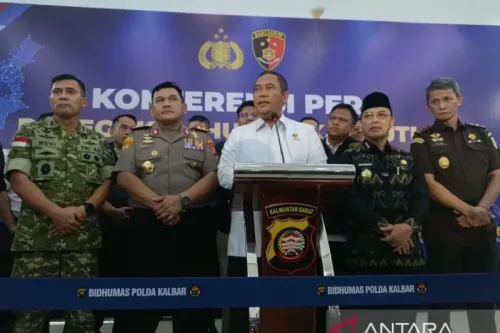
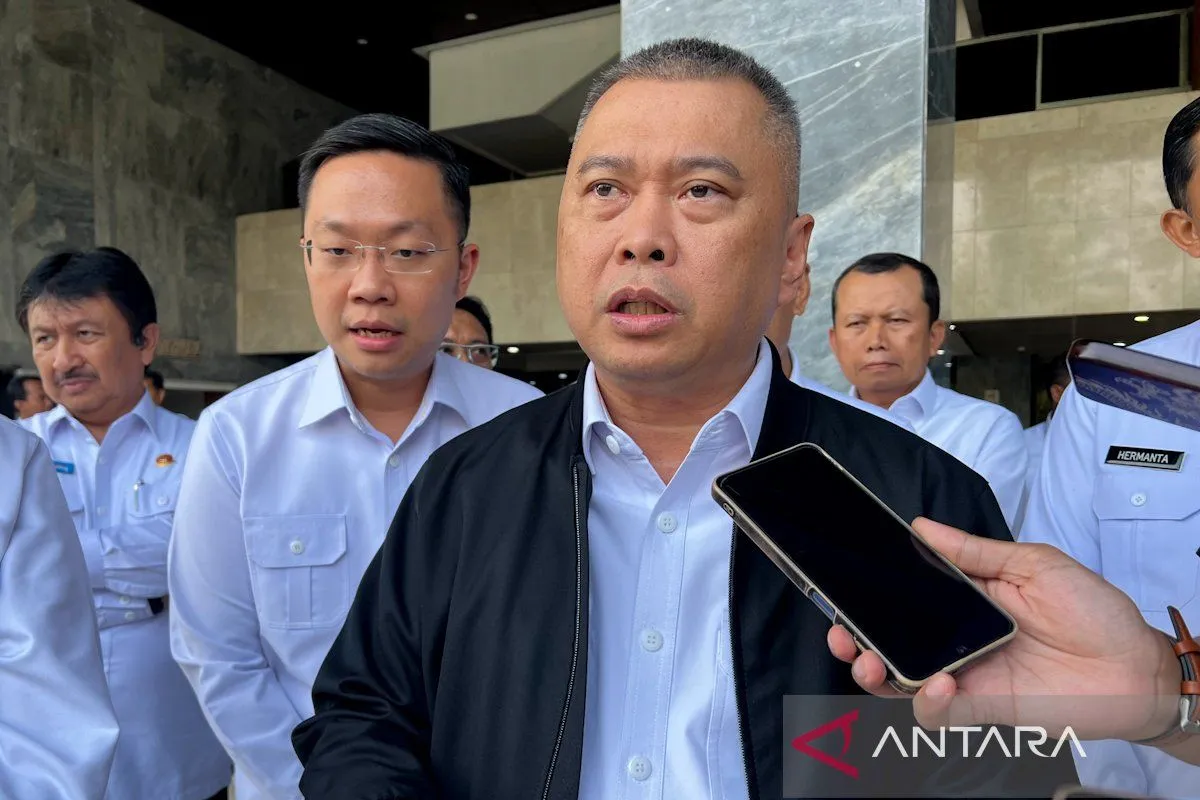
Speaking after a September 1, 2026, working meeting with Commission V of the House of Representatives in Jakarta, Dudy stressed the urgency of containing fires in priority areas. "Handling these fires is a top priority at this time. In the short term, they must be extinguished immediately," he said.
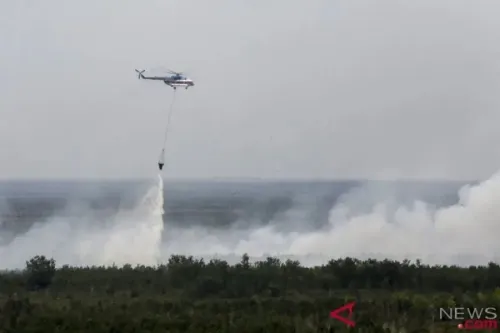
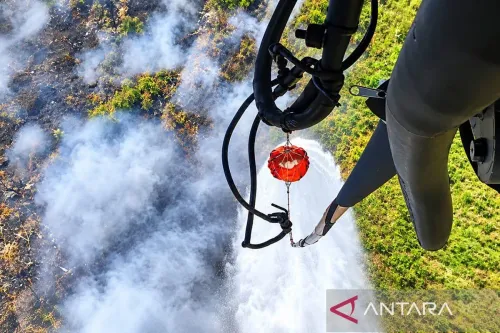
The National Disaster Management Agency, known as BNPB, mobilized the aircraft with central government support. Most are heavy-lift helicopters equipped to make precise water drops in remote locations, Dudy said.
Eleven Indonesian Air Operator Certificate holders manage the fleet. Its aircraft carry registrations from Australia, Russia, the United States, Ukraine, New Zealand, Laos, Vietnam, and Canada.
The ministry said it was expediting licensing and providing flight safety oversight and ground support to keep the fleet operating. "We need all the necessary infrastructure to extinguish the fires, including foreign aircraft that Indonesia does not currently possess," Dudy said.
Aircraft already deployed elsewhere in the response had encountered difficulties. Reuters reported that Indonesia had put 34 aircraft into water-bombing operations as of August 31, but thick haze, poor visibility, and scarce water near fire sites had disrupted flights.
Burned area and emissions
ANTARA reported that fires burned nearly 286,000 hectares nationwide from January through late August 2026. A prolonged dry spell induced by El Niño drove the fires, while illegal land clearing made them worse.
Earlier Forestry Ministry figures, reported by Kompas.id, put the January-July total at 202,004.30 hectares. The ministry's SiPongi monitoring system showed a 69 percent increase from the same period in 2025, amounting to about 82,791 additional hectares. ANTARA also reported that SiPongi detected more than 1,200 active hotspots across Kalimantan and Sumatra at peak levels.
BNPB initially reported more than 48,889 hectares burned in six priority provinces. Dashboard figures cited by Kompas.id placed the indicated burned area in those provinces at 48,889.69 hectares by August 9 and 89,534.30 hectares by September 26.
On September 10, BNPB named the six provinces as Riau, Jambi, South Sumatra, West Kalimantan, South Kalimantan, and Central Kalimantan.
The fires also produced substantial carbon emissions. According to the European Union's Copernicus climate monitoring service, as reported by Reuters, Indonesian fires emitted 17.1 million metric tons of carbon in the seven days through August 31. That was 429 percent above the seasonal mean and ranked second globally behind Russia.
Ground crews and concession investigations
As of August 31, BNPB planned to assign some of its 48,000 officers to guard selected areas against new fires. More than 1,400 volunteers were already helping contain fires on the ground, and recruitment was continuing, Reuters reported.
Separately, the Environment Ministry said satellite imagery had identified concessions held by 42 companies as having high wildfire potential. By August 31, fires totaling 11,047 hectares across seven provinces had been found on concessions managed by 19 of those companies.
A senior ministry official said the government would continue investigating the other 23 companies whose concessions faced fire risks.
Japanese helicopters arrive in September
BNPB announced on September 10 that Japanese aerial support had arrived at Kijing Port in West Kalimantan's Mempawah District aboard the JS Kunisaki. The vessel carried three Chinook heavy-lift helicopters and 180 to 300 personnel.
At the time of the announcement, test flights were underway at Supadio Airport in Pontianak. Water-bombing missions were scheduled to begin September 11-12, and the Japanese team was to remain on standby for 21 days.