
Philippines pardons, frees Mary Jane Veloso
Mary Jane Veloso, a Filipina domestic worker who spent almost 15 years on Indonesia's death row for drug trafficking, walked free on Friday after receiving a presidential pardon that closed one of the most prominent cases involving overseas Filipino workers.
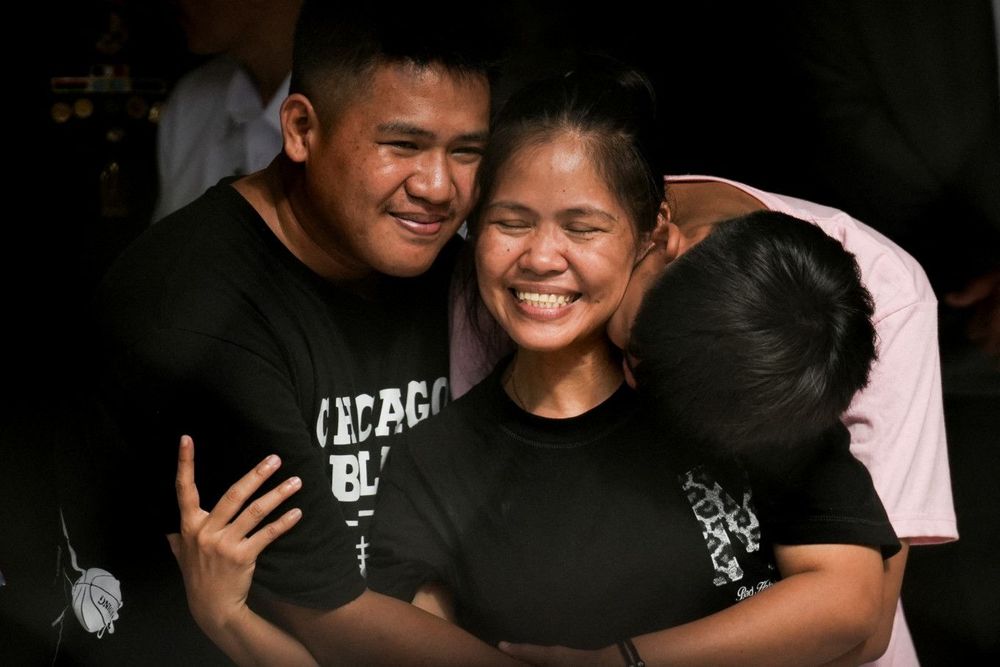
A smiling Veloso clutched the absolute pardon document signed by Philippine President Ferdinand Marcos as she left her Manila prison cell late Friday evening. The 25-year-old mother of two from Cabanatuan, Nueva Ecija, had been working as a domestic helper in Malaysia before traveling to Indonesia in 2010, where her case would spark international attention.
"I wish to convey my gratitude to our dear president who cleared my name and allowed me to reunite with my family," she told reporters at a news conference. "I was unable to supervise them as they grew up, but I believe it's not too late."
Arrest and Death Sentence
Veloso was arrested at Yogyakarta airport in April 2010 after authorities discovered 2.6 kilograms of heroin sewn into the lining of her suitcase. An Indonesian court sentenced her to death in October 2010, and the country's Supreme Court upheld the penalty in May 2011, just six months after her initial sentencing.
Indonesia spared Veloso from execution in April 2015, hours before she was scheduled to die alongside eight other convicted drug offenders. Among those executed on April 29, 2015, were Australian nationals Andrew Chan and Myuran Sukumaran from the Bali Nine syndicate, as well as prisoners from Nigeria, Ghana, and Brazil. Indonesia carried out 14 drug-related executions that year under President Joko Widodo, who had declared the country faced a drug emergency and made capital punishment for traffickers a signature policy.
Reprieve and Prosecution of Recruiters
Philippine authorities arrested Veloso's suspected recruiters shortly before her scheduled execution, leading Indonesian officials to grant her a reprieve so she could testify as a witness. Maria Kristina Sergio and Julius Lacanilao were later convicted in January 2020 of large-scale illegal recruitment in a separate case and sentenced to life imprisonment with a fine of 2 million Philippine pesos.
In June 2026, following her transfer back to the Philippines, Veloso took the witness stand and personally testified in the human trafficking and illegal recruitment case against her recruiters, strengthening prosecutors' arguments that she had been duped into carrying the drug-laden luggage.
Transfer and Pardon
Jakarta transferred Veloso to Manila in December 2024 under a practical arrangement for her repatriation, as Indonesia lacked specific legislation regulating formal prisoner transfers at the time. The agreement allowed her to serve the remainder of her sentence in a Philippine prison rather than face execution in Indonesia.
"I'll give you a scoop: I signed her pardon yesterday," Marcos told reporters earlier Friday, confirming the decision that would end Veloso's long ordeal.
Veloso's mother, Celia Veloso, said her grandsons were overjoyed at the news. "They were so happy. 'We will finally be able to be with mama', that's what they told me," she said by phone.
Symbol of Economic Diaspora
The case resonated deeply in the Philippines, where Veloso became a symbol of the country's economic diaspora. Approximately 2.19 million Overseas Filipino Workers send home around $31 billion annually in remittances, representing roughly 10 percent of the Philippines' gross domestic product. Many Filipinos regarded Veloso as emblematic of the millions who seek better-paying work abroad to help their families escape poverty.
Throughout her imprisonment, Veloso and her supporters maintained she was an unwitting victim of an international drug syndicate, deceived by recruiters who promised her legitimate employment as a domestic worker. Her supporters argued she represented vulnerable workers exploited by criminal networks that prey on those seeking economic opportunity overseas.